
57th Academy Awards: A Bold Attempt to Revitalize the Oscars
In December 1984, the Academy of Motion Picture Arts and Sciences (AMPAS) faced a challenge: declining ratings and a waning public interest in its annual awards ceremony. To combat this, the Academy formed a specialized four-person committee to oversee production duties, consisting of actor Gregory Peck, director Robert Wise, screenwriter Larry Gelbart, and AMPAS president Gene Allen.
The strategy for the 1985 ceremony centered on energy and efficiency. The Academy appointed actor Jack Lemmon as the master of ceremonies, a choice Gene Allen justified by citing Lemmon's imaginative talents and zest for living.
Streamlining the Ceremony
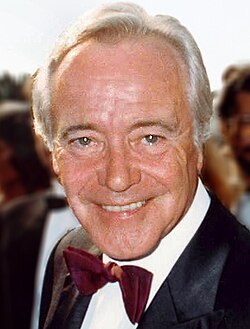
To ensure a faster pace and shorter runtime, the production introduced several structural changes. Ten actors were recruited as "co-hosts" to assist with presenting awards and introducing musical numbers. This group included:
- Candice Bergen
- Jeff Bridges
- Glenn Close
- Michael Douglas
- Gregory Hines
- Amy Irving
- William Hurt
- Diana Ross
- Tom Selleck
- Kathleen Turner
Furthermore, the Academy implemented a strict time limit for acceptance speeches. Nominees were warned that they had 45 seconds to finish their remarks; once a blinking red light appeared, the orchestra would begin playing to signal the end of their time.
Production and Artistic Highlights
The telecast was directed by Marty Pasetta, with Bill Conti serving as the musical director and conductor. The visual presentation was handled by costume designer Theoni V. Aldredge, who coordinated a unique segment for the Best Costume Design nominees that featured an elephant dressed in costumes from A Passage to India. Choreography for the event was provided by Scott Salmon.
Reflecting the themes of the year's nominees—which included films like Places in the Heart, The River, and Songwriter—the ceremony featured a country music medley performed by Willie Nelson, Kris Kristofferson, and Lonette McKee.
Box Office Performance of Best Picture Nominees
By the time nominations were announced on February 6, the five films nominated for Best Picture had earned a combined total of $103 million at the US box office. Places in the Heart led the group in domestic earnings.
| Film | US Box Office Gross |
|---|---|
| Places in the Heart | $31.2 million |
| Amadeus | $25.7 million |
| A Soldier's Story | $21.4 million |
| A Passage to India | $13.5 million |
| The Killing Fields | $11.7 million |
Critical Reception and Ratings
Critics were divided on the results of the Academy's streamlining efforts. Howard Rosenberg of the Los Angeles Times and Jerry Coffey of the Fort Worth Star-Telegram praised the ceremony for being brisk, disciplined, and "snappy." Coffey specifically highlighted James Stewart's Honorary Oscar speech as an emotional peak of the evening.
However, other critics were less impressed. Jon Anderson of the Chicago Tribune felt the show lacked spirit, while Michael Dougan of the San Francisco Examiner criticized the cutting off of speeches and technical errors, such as displaying the Amadeus logo during The Killing Fields' win for Best Cinematography. Harold Schindler of The Salt Lake Tribune suggested the errors provided ample material for a "TV bloopers" segment.
Despite the production changes, the American telecast on ABC saw a decline in viewership compared to the previous year. The show drew 38.9 million viewers, with a 27.7% household rating and a 45% share. However, the production was recognized by the 37th Primetime Emmy Awards, winning for Outstanding Art Direction for a Variety Program.
Key Facts
- Host: Jack Lemmon presided over the 57th Academy Awards.
- Speech Limit: Winners were given 45 seconds before being played off by the orchestra.
- Top Earner: Places in the Heart was the highest-grossing Best Picture nominee at $31.2 million.
- Viewership: 38.9 million people watched the ABC telecast.
- Award: The ceremony won an Emmy for Outstanding Art Direction for a Variety Program.
Frequently Asked Questions
Who was the main host of the 57th Academy Awards?
The ceremony was hosted by actor Jack Lemmon, who was chosen for his energy and imaginative talents.
How did the Academy try to shorten the ceremony?
The Academy employed ten "co-hosts" to handle presentations and implemented a 45-second time limit for acceptance speeches, signaled by a blinking red light.
Which Best Picture nominee had the highest US box office gross?
Places in the Heart was the highest earner among the nominees, bringing in $31.2 million domestically.
What technical error occurred during the broadcast?
During the announcement for Best Cinematography, the production mistakenly flashed the logo for Amadeus while The Killing Fields was winning the award.
Did the 57th Academy Awards win any industry awards for its production?
Yes, the ceremony won a Primetime Emmy Award for Outstanding Art Direction for a Variety Program.