
Alloy History: From Meteoric Iron to Modern Stainless Steel
The story of human civilization is inextricably linked to the mastery of metals. An alloy—a material made by combining a metal with one or more other elements—has allowed humans to create tools, weapons, and structures far stronger and more durable than those made from pure elements. From the accidental discovery of space-borne iron to the precision engineering of the industrial age, the evolution of alloys reflects our growing understanding of chemistry and physics.
Key Facts
- Meteoric Iron: The first alloy used by humans, consisting naturally of iron and nickel.
- Bronze: A pivotal alloy of copper and tin (or arsenic) that defined an entire era of human development.
- Steel: An alloy of iron and carbon; modern "alloy steels" include elements like vanadium and molybdenum.
- Amalgams: Unique alloys of mercury and other metals, used historically for gilding.
- Stainless Steel: Developed in 1912 by adding chromium and nickel to iron to prevent rust.
The Earliest Alloys: Gifts from the Sky
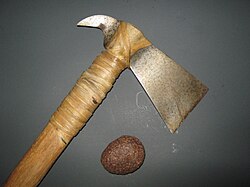
Before humans learned to smelt ores from the earth, they utilized meteoric iron. This naturally occurring alloy of nickel and iron is the primary component of iron meteorites. Because ancient peoples lacked the technology to separate these elements, they used the alloy as found, forging it at red heat or using cold hammering to create nails, arrowheads, and knives. Due to its rarity and the difficulty of working with it, meteoric iron was incredibly valuable.
The Bronze and Brass Ages
While native copper, gold, and silver were available globally since Neolithic times, copper was the most widely distributed and hardest of these. Around 10,000 years ago in Anatolia (modern-day Turkey), humans began smelting copper and tin from ore. Early bronze often utilized arsenic, though this proved toxic to workers. By 2500 BC, the combination of copper and tin became the standard for bronze, a material significantly harder than its base components.
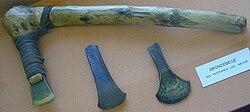
In the Middle East, the alloying of copper with zinc produced brass. Ancient smiths began to intuitively understand how different mixtures affected hardness, toughness, and melting points. A prime example of this sophistication is found in the Chinese Qin dynasty (c. 200 BC), where arrowheads featured a hard bronze head for penetration and a softer bronze tang to prevent the weapon from snapping upon impact.
Amalgams and Precious Metal Alloys
Mercury, smelted from cinnabar, has the unique ability to dissolve metals like gold, silver, and tin to create amalgams—alloys that remain soft pastes or liquids at room temperature. Since 200 BC, China used amalgams for gilding mirrors and armor. The Romans adopted a similar technique, applying a mercury-tin paste and heating it until the mercury vaporized, leaving a thin layer of precious metal behind.
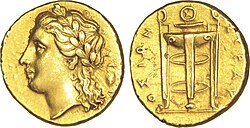
Aesthetic and practical needs also drove the alloying of precious metals. Ancient Egyptians and Mycenaeans mixed gold with copper for red-gold or iron for burgundy-gold. For utility, copper was added to silver to create sterling silver, which is stronger and more suitable for silverware and dishes.
The Versatility of Pewter
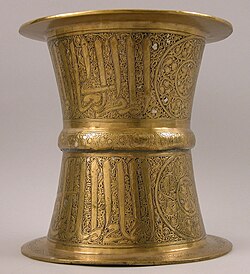
Pewter refers to a group of alloys primarily composed of tin. Because pure tin is too soft for practical use, it was alloyed with lead, antimony, bismuth, or copper to increase hardness. Appearing as early as 1450 BC in Egypt, pewter became widespread across Europe and Asia. In Japan, it arrived around 800 AD, where it was used for ceremonial vessels and Shinto shrine chalices.
The Evolution of Iron and Steel
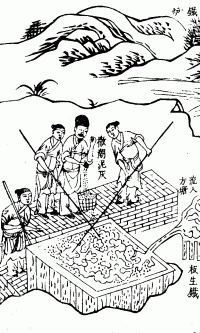
Iron smelting began in Anatolia around 1800 BC via the bloomery process, which produced ductile wrought iron. In contrast, China produced pig iron (a hard, brittle iron-carbon alloy) as early as 1200 BC. However, high-quality steel—an alloy of iron and approximately 1% carbon—was initially a rare byproduct of the bloomery process.
To overcome the brittleness of early alloys, the 1st century AD saw the rise of pattern welding, where different alloys were laminated. Japanese swordsmiths later refined this by folding bloomery-steel and cast iron in alternating layers, using clay fluxes to remove impurities and create some of the purest steel of the ancient world.
The Industrialization of Steel
Mass production of tool steel began in 1740 when Benjamin Huntsman developed crucible steel, which ensured a homogeneous carbon content. Later, the introduction of the blast furnace allowed for higher volumes of pig iron, leading to the puddling process (stirring molten iron to oxidize carbon) and eventually the Bessemer process in 1858, which used hot air to reduce carbon on a massive scale.
The 19th and 20th centuries saw the birth of specialized alloy steels. Robert Hadfield created mangalloy (12% manganese) in 1882 for extreme toughness. Robert Forester Mushet developed high-speed steel using tungsten, which was later improved by Taylor and White. By 1912, Krupp Ironworks produced the first stainless steel by adding 21% chromium and 7% nickel.
| Alloy Name | Primary Components | Key Property | Historical Use |
|---|---|---|---|
| Bronze | Copper + Tin/Arsenic | Hardness | Tools, Weapons |
| Brass | Copper + Zinc | Malleability/Hardness | Arrowheads, Ornaments |
| Sterling Silver | Silver + Copper | Strength | Silverware, Dishes |
| 304 Stainless Steel | Iron + Chromium + Nickel | Corrosion Resistance | Kitchen Utensils |
| Mangalloy | Iron + Manganese | Extreme Toughness | Industrial Tools |
Modern Metallurgy and Aerospace
The 19th century brought the discovery of highly reactive metals. While Humphry Davy proposed extracting aluminium from bauxite in 1807, early commercial aluminium was often an unintended alloy with copper (known as "aluminium bronze"). These alloys gained prominence in 1903 when the Wright brothers used them for their first airplane engine.
By 1910, alloy research shifted from private tinkering to industrial effort. This era saw the development of magnesium alloys for automotive pistons and wheels, as well as high-tensile corrosion-resistant bronze alloys like Brastil.
Frequently Asked Questions
What is the difference between steel and alloy steel?
Steel is fundamentally an alloy of iron and carbon. The term "alloy steel" specifically refers to steels that contain additional elements—such as vanadium, molybdenum, or cobalt—in amounts sufficient to significantly alter the base properties of the steel.
Why was tin so strategically important in the Bronze Age?
Tin was essential for turning soft copper into hard bronze. Because tin was rare and found in limited locations, such as Great Britain, it drove extensive trade routes and became a highly valued strategic resource.
How does stainless steel resist rust?
Stainless steel, such as the common 304 grade, contains chromium and nickel. These elements add strength and hardness, but their primary function is to create a protective barrier that makes the iron resistant to corrosion and rust.
What is an amalgam?
An amalgam is a specific type of alloy where mercury is one of the components. These alloys typically exist as a soft paste or liquid at room temperature and were historically used for gilding and extracting precious metals from ore.
What was the significance of the Bessemer process?
The Bessemer process, developed in 1858, allowed for the first large-scale manufacture of steel by blowing hot air through liquid pig iron to rapidly reduce its carbon content.