
Armenian Genocide Memorial: Architecture and Symbolism
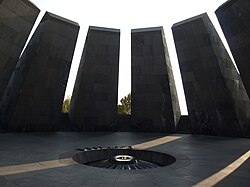
The Armenian Genocide Memorial complex serves as a profound site of remembrance, blending architectural precision with deep emotional significance. The complex is designed to honor the victims of the genocide through three primary structures: the Temple of Eternity, the memorial column, and the memorial wall, all set within a commemorative landscape.
Key Facts
- The Temple of Eternity features 12 stone slabs surrounding an eternal flame.
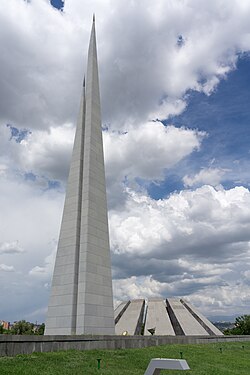
- The memorial column stands 44 meters tall and symbolizes national rebirth.
- The memorial wall spans 100 meters, listing locations of massacres and deportations.
- The site honors both the victims and the international figures who provided humanitarian relief.
The Temple of Eternity
At the heart of the complex is the Temple of Eternity. This structure consists of 12 stone slabs arranged in a circular formation, curving inward toward a central eternal flame. While the number 12 was selected based on geometric laws, popular belief suggests these columns represent the 12 largest provinces of Western Armenia.
Historically, however, Western Armenia within the Ottoman Empire consisted of six provinces: Van, Erzurum, Diyarbakir, Bitlis, Sebastia, and Kharberd, along with the separate vilayet (administrative division) of Adana in Cilicia.
The Memorial Column
Standing adjacent to the Temple of Eternity is the memorial column. Reaching a height of 44 meters, the column is split into two distinct sections—a large monument and a small monument. This architectural division is intended to express the concept of the rebirth of the Armenian nation.
The Memorial Wall and Commemorative Alley
Extending through the park is a 100-meter memorial wall. This wall serves as a geographic record, inscribed with the names of the towns and villages where deportations and massacres occurred.
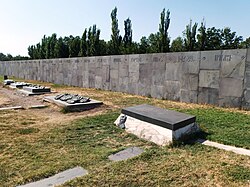
The reverse side of the wall is dedicated to those who worked to alleviate the suffering of survivors during and after the genocide. Plates honor figures such as Johannes Lepsius, Franz Werfel, Armin T. Wegner, Henry Morgenthau Sr., Fridtjof Nansen, Pope Benedict XV, Jakob Künzler, and Bodil Biørn.
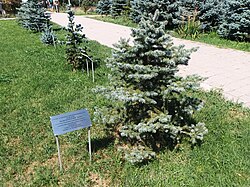
Complementing these structures is an alley of trees, planted specifically to commemorate the victims of the genocide.
Memorial Complex Summary
| Structure | Key Feature | Symbolism/Purpose |
|---|---|---|
| Temple of Eternity | 12 curved stone slabs | Eternal flame and remembrance |
| Memorial Column | 44-meter height | National rebirth |
| Memorial Wall | 100-meter length | Locations of atrocities and humanitarian honors |
| Alley of Trees | Planted greenery | Commemoration of victims |
Frequently Asked Questions
What do the 12 columns in the Temple of Eternity represent?
While they were designed based on geometric laws, many believe they symbolize the 12 largest provinces of Western Armenia.
How many provinces were actually in Western Armenia?
There were six provinces (Van, Erzurum, Diyarbakir, Bitlis, Sebastia, and Kharberd), plus the vilayet of Adana in Cilicia.
What is the significance of the memorial column's design?
The column is 44 meters high and divided into two parts to represent the rebirth of the nation.
Who is honored on the back of the memorial wall?
The wall honors individuals who helped survivors of the genocide, including figures like Fridtjof Nansen, Henry Morgenthau Sr., and Pope Benedict XV.
What information is found on the front of the memorial wall?
The front of the 100-meter wall lists the names of towns and villages where massacres and deportations took place.