
Australian Pub Design: From Victorian Opulence to Art Deco Utility
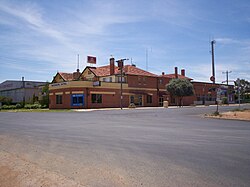
The Australian pub is a cultural icon, yet its architectural evolution differs significantly from the cozy, family-oriented "cottage" style of British pubs. While many historic English pubs are protected heritage sites, Australia's colonial architectural history has often been overlooked, leading to the demolition of many grand Victorian-era structures. Consequently, few surviving Australian pubs date back further than the second half of the 19th century.
Despite this loss, the surviving structures reveal a fascinating transition from the lavish, imposing designs of the colonial era to the functional, streamlined aesthetics of the mid-20th century.
Key Facts
- Scale: Early Australian pubs were typically larger than British ones, often featuring three or more stories with extensive accommodation.
- Climate Adaptation: Wide awnings and verandahs were essential to combat high summer temperatures.
- Materials: 19th-century pubs utilized red cedar, marble, and iron lace; 20th-century pubs shifted to brick, concrete, and terrazzo.
- Art Deco Legacy: Mid-century pubs are now some of the best surviving examples of Art Deco and International Style architecture in Australia.
- Unique Art: Hand-painted reverse-glass beer advertisements were a specialized craft unique to the early-to-mid 20th century.
The 19th Century: Colonial Grandeur
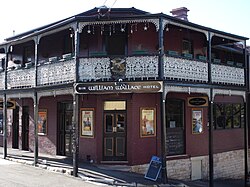
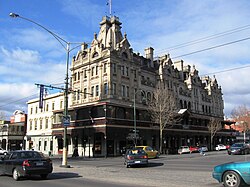
Late 19th-century pubs, such as the Old Canberra Inn in Lyneham, mirror their British ancestors in layout but operate on a much larger scale. These imposing structures were designed to be lavish, both internally and externally, serving as landmarks in their communities.
Exterior Features
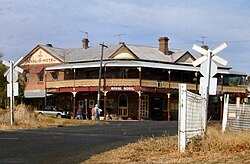
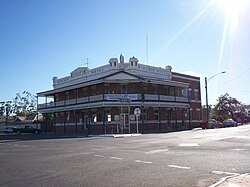
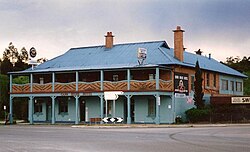
To manage the heat, colonial pubs featured wide verandahs and awnings. These were often adorned with iron lace—mass-produced, decorative cast-iron facings and columns that were fashionable and affordable. In regions where timber was abundant, internal spaces were often decorated with intricate carved wooden fretwork panels.
Interior Opulence
Interiors were characterized by soaring ceilings, often exceeding four meters (12 feet), embellished with plaster panels and cornices. As the century progressed, embossed tin paneling became a popular addition. Windows frequently featured etched, sandblasted, or decorative leadlight glass.
The centerpiece of these establishments was the serving bar. These were often masterpieces of craftsmanship, utilizing brass rails, ceramic pump handles, and mirrors. While the Marble Bar (originally in Sydney's Tattersall's Hotel) remains the most opulent example, even modest pubs used native red cedar and marble fittings to create a sense of luxury.
The 20th Century: Functionalism and the "Classic" Pub
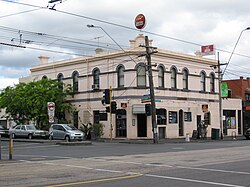
The 20th century brought a shift toward consolidation in the brewery industry, leading to the renovation or replacement of many older hotels. This era gave rise to the "classic" urban pub, characterized by a more utilitarian approach.
Architectural Style and Layout
Mid-century pubs adopted the International Style or a stripped-back Art Deco aesthetic. Built primarily from brick and concrete, these two-to-three-story buildings utilized prefabricated plaster, ceramic tiles, and terrazzo (a composite material of marble, quartz, or granite chips set in concrete) for flooring and linings.
The layout typically consisted of several interconnected bar rooms of varying sizes, clustered around a central serving hub. A defining feature was the beer garden—an outdoor or semi-enclosed area. While the main bars remained adult-only, beer gardens eventually became spaces where families with children could gather.
Regional Variations and Social Critique
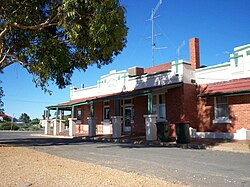
In regional cities, pubs often remained larger, incorporating ballrooms, function rooms, and substantial kitchens. Regardless of location, almost all pubs provided rental accommodation on the upper floors.
However, not all designs were praised. In 1973, J.V. Dillon of the Department of Aboriginal and Islander affairs criticized Queensland hotel designs for being geared toward "straight swill sessions" rather than social drinking, advocating for more relaxed, tropical beer garden settings.
The Art of the Beer Advertisement
While 20th-century pubs were more spartan than their predecessors, they birthed a unique graphic genre: the paint-on-glass beer advertisement. Emerging in the 1920s and 30s, these were not posters, but highly skilled craft products.
These advertisements were hand-painted in reverse on thick glass and housed in polished brass frames. Some used translucent paint for back-lighting, while others were accented with real gold leaf. They typically depicted iconic Australian scenes, including surfing, cricket, horse-racing, and social picnics.
Because many pubs were built on street corners, these colorful ads were often placed in curved frames to match the building's façade. Though most were lost to modernization or vandalism, the surviving pieces are now prized museum artifacts.
Summary of Australian Pub Evolution
| Feature | 19th Century (Colonial/Victorian) | 20th Century (Art Deco/International) |
|---|---|---|
| Primary Materials | Red cedar, marble, iron lace, plaster | Brick, concrete, terrazzo, prefabricated plaster |
| Aesthetic | Opulent, ornate, imposing | Utilitarian, spartan, functional |
| Key Exterior | Wide verandahs, decorative ironwork | Curved façades, streamlined lines |
| Interior Highlights | 4m+ ceilings, embossed tin, leadlight glass | Tiled walls, Art Deco cornices, beer gardens |
| Decorative Art | Carved wood, etched glass | Reverse-painted glass beer advertisements |
Frequently Asked Questions
How did Australian pubs differ from British pubs?
Australian pubs were generally larger, often reaching three stories or more, and featured wide verandahs and awnings to accommodate the hotter climate, whereas British pubs typically had a smaller, "cottage" atmosphere.
What is "iron lace" in the context of pub architecture?
Iron lace refers to the mass-produced, decorative cast-iron facings and columns used on the verandahs and balconies of colonial-era pubs, valued for being fashionable, cheap, and easy to transport.
What are the characteristics of a mid-20th century urban pub?
These pubs were typically built in the Art Deco or International Style using brick and concrete. They featured functional layouts with multiple interconnected bar rooms, terrazzo floors, and the addition of outdoor beer gardens.
What were the paint-on-glass beer advertisements?
These were hand-painted reverse-glass artworks created by professional commercial artists. They featured vibrant colors, gold leaf, and scenes of Australian sport and social life, often mounted in polished brass frames on the pub's exterior.
Why are mid-century pubs architecturally significant today?
Because many other Art Deco and International Style buildings (like cinemas and offices) were demolished during late 20th-century urban redevelopment, surviving mid-century pubs are now some of the best examples of these styles in Australia.