
Bats: The Biology, Evolution, and Ecology of the Only Flying Mammals
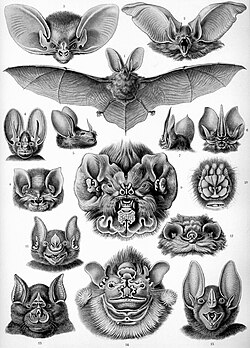
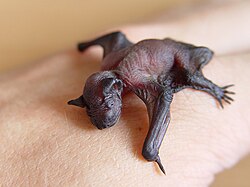
Bats are the only mammals capable of true powered flight, representing approximately 24% of all known mammalian species. Belonging to the order Chiroptera, these fascinating creatures have evolved a wide array of specialized adaptations that allow them to thrive in nearly every environment on Earth. From the dense jungles of the tropics to the arid deserts, bats play critical roles in their ecosystems as pollinators, seed dispersers, and pest controllers.
Historically, bats were divided into two traditional suborders: Megachiroptera (megabats) and Microchiroptera (microbats). However, modern phylogenetics has redefined these groupings into Yinpterochiroptera and Yangochiroptera to better reflect their evolutionary lineage.
Key Facts
- Temporal Range: Bats have existed from the Eocene epoch to the present (approximately 52 to 0 million years ago).
- Diversity: There are over 1,300 species categorized across 21 families.
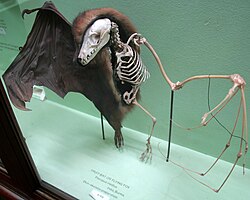
- Flight: Their wings are modified forelimbs with a skin membrane stretched over elongated finger bones.
- Senses: Many species use echolocation—a biological sonar—to navigate and hunt in total darkness.
- Conservation: As of 2020, roughly 16.2% of bat species are threatened (Critically Endangered, Endangered, or Vulnerable).
Evolution and Taxonomy
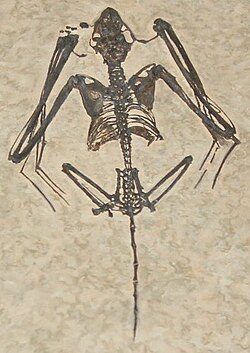
The evolutionary history of bats is marked by the rapid development of flight and sensory systems. Fossil evidence, such as the early Eocene microchiropteran Icaronycteris from the Green River Formation, provides insight into how these animals transitioned to an aerial lifestyle.
The current scientific classification divides the order Chiroptera into two primary clades:
- Yinpterochiroptera: This group includes the Pteropodidae (Old World fruit bats) and the Rhinolophoidea (such as horseshoe bats and Old World leaf-nosed bats).
- Yangochiroptera: A diverse group encompassing families like the Vespertilionidae (vesper bats), Molossidae (free-tailed bats), and Phyllostomidae (New World leaf-nosed bats).
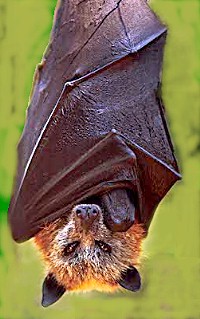
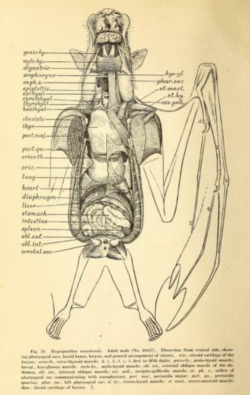
Anatomy and Physiology
Wings and Flight
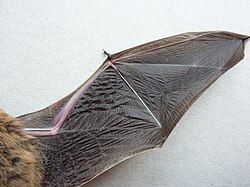
The bat wing is a marvel of biological engineering. Unlike birds, a bat's wing consists of a thin, flexible skin membrane (patagium) supported by extremely elongated phalanges (finger bones). This structure allows for high maneuverability and the ability to adjust wing shape during flight.
Echolocation and Senses
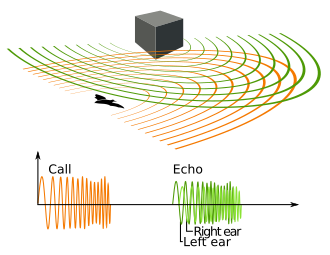
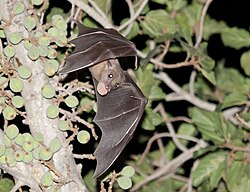
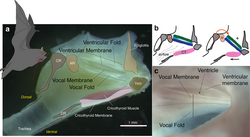
Echolocation is the process of emitting high-frequency sound pulses and listening for the echoes that bounce off objects. This allows bats to create a detailed map of their surroundings and locate prey with extreme precision. While most associated with microbats, some megabats, such as the Egyptian fruit bat (Rousettus aegyptiacus), also utilize a form of echolocation.
Thermoregulation and Metabolism
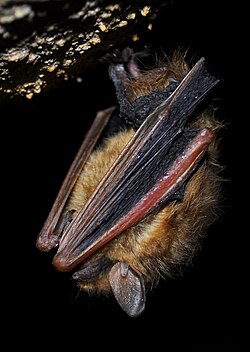
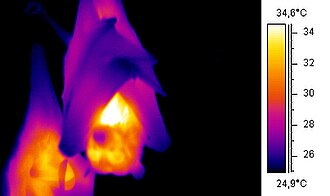
To survive periods of food scarcity or extreme cold, many bats enter torpor—a state of decreased physiological activity where body temperature and metabolic rate drop significantly. Some species also use trapped air within their fur as insulation to maintain warmth.
Ecology and Behavior

Dietary Specialization
Bats exhibit a diverse range of feeding habits. While the majority are insectivorous, consuming vast quantities of moths and mosquitoes, others have evolved highly specialized diets:
- Frugivores: Feed on fruits and nectar, acting as vital pollinators.
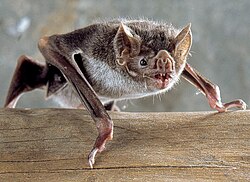
- Haematophages: The common vampire bat (Desmodus rotundus) feeds exclusively on blood.
- Carnivores: Some species prey on small vertebrates.
Social Structure and Life Cycle
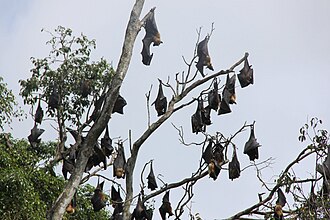
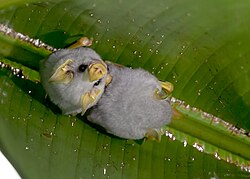
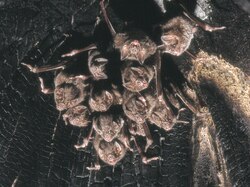
Bats are often highly social, roosting in large colonies. Some species, like the Honduran white bat, create "tents" by chewing the ribs of leaves. Their life history is characterized by relatively long lifespans for their size, though some socially foraging species show surprisingly shorter lifespans.
Conservation and Human Interaction
Bats provide immense economic benefits to humans, particularly in agriculture, by controlling insect populations. However, they face numerous threats, including habitat loss, wind turbines, and diseases such as White-nose syndrome, which affects species like the little brown bat.
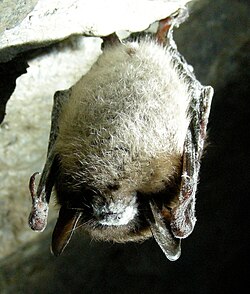
Furthermore, bats are known reservoirs for various viruses, including lyssaviruses and coronaviruses, which has led to significant scientific study regarding zoonotic disease transmission.

Summary of Bat Classification
| Suborder/Clade | Key Families | Example Group | Approx. Species |
|---|---|---|---|
| Yinpterochiroptera | Pteropodidae, Rhinolophidae | Old World Fruit Bats | ~300+ |
| Yangochiroptera | Vespertilionidae, Phyllostomidae | Vesper Bats | ~1,000+ |
Frequently Asked Questions
Do all bats use echolocation?
No. While most microbats rely heavily on echolocation, many megabats (fruit bats) rely primarily on vision and smell. However, some exceptions exist, such as the genus Rousettus, which uses a primitive form of echolocation.
Why are bats important for the environment?
Bats are essential for pest control by eating millions of insects, and they are critical for the reproduction of many plants through pollination and seed dispersal.
What is torpor in bats?
Torpor is a temporary state of reduced metabolic activity and body temperature that bats use to conserve energy during winter or periods of food shortage.
Are all bats vampire bats?
No. Only a very small number of species are haematophagous (blood-feeding). The vast majority of the world's 1,300+ bat species eat insects, fruit, nectar, or small animals.
What is White-nose syndrome?
White-nose syndrome is a devastating fungal disease that affects hibernating bats, causing them to wake up more frequently and deplete their fat reserves, often leading to death.