
British Army Uniforms: Tradition, Hierarchy, and Orders of Dress
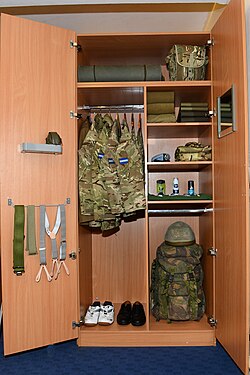
The uniforms of the British Army are far more than mere clothing; they are a visual language of history, rank, and regimental pride. Currently, the Army utilizes twelve distinct categories of dress, ranging from the highly ornate ceremonial attire to functional combat gear. While some uniforms are standardized across the force, many maintain regimental distinctions—unique details that identify the specific regiment or corps to which a soldier belongs.
Generally, soldiers of the same regiment wear the same basic design and color, though higher ranks often feature increased embellishment. A significant divide exists between infantry and cavalry styles, with cavalry features extended to units with "mounted status," such as the Royal Artillery, Royal Engineers, and the Army Air Corps.
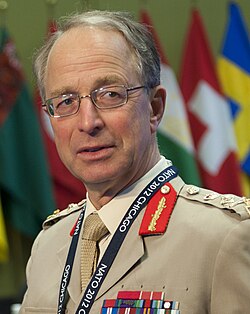
Senior officers (full colonel and above) typically wear a "staff uniform" featuring specific colored cap bands and gorget patches, rather than regimental dress, unless they hold the honorary position of Colonel of the Regiment.
Key Facts
- Twelve Categories: Uniforms range from Full Dress and Frock Coats to various numbered orders of dress.
- Regimental Identity: Full dress offers the highest level of differentiation between units.
- Mounted Status: Certain corps (e.g., Royal Engineers, Royal Logistic Corps) share uniform features with cavalry regiments.
- Staff Uniforms: Officers of colonel rank and above wear staff uniforms instead of regimental ones.
- Evolution: Many modern orders of dress, like No. 1 dress, were created as cost-effective alternatives to traditional full dress.
Full Dress and Frock Coats
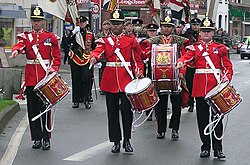
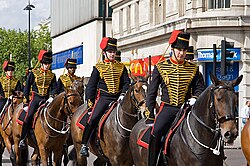
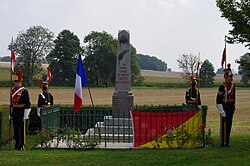
Full dress is the most elaborate order of attire, serving as the ultimate statement of regimental identity. These uniforms typically feature high-necked tunics in scarlet, dark blue, or rifle green, paired with ornate headwear. Although withdrawn from general issue in 1914, they remain listed in the Army Dress Regulations and are used for the most prestigious ceremonial occasions.
Gloves are a key detail: most ranks wear white, but The Rifles, the Royal Gurkha Rifles, the Royal Irish Regiment, and the Royal Army Chaplains' Department wear black. Additionally, several cavalry units, including the Life Guards and the Royal Lancers, wear white leather gauntlets when mounted.
Regimental Facings
Facings—the contrasting colors on collars and cuffs—are primary identifiers for different units. Examples include:
- Crimson: The King's Royal Hussars and Army Cadet Corps
- Maroon: The Parachute Regiment and Royal Army Veterinary Corps
- Blue Velvet: Royal Engineers and Royal Logistic Corps
- Brunswick Green: The Royal Yorkshire Regiment
- Cambridge Blue: Army Air Corps and Small Arms School Corps
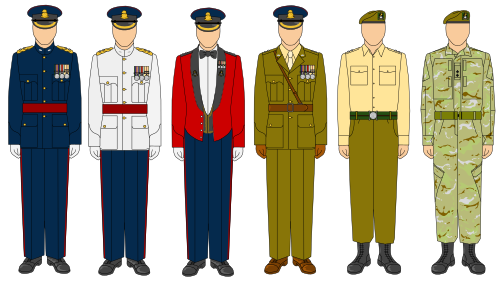
Numbered Orders of Dress
The British Army uses a numbering system to categorize uniforms based on the environment and the formality of the occasion.
No. 1: Temperate Ceremonial
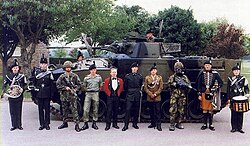
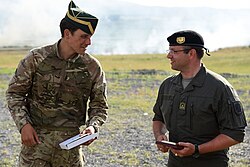
Originating from late 19th-century "blue Patrols," No. 1 dress was formally issued for the 1937 Coronation as a cheaper alternative to full dress. While most regiments wear a peaked forage cap, several units use alternatives: the Parachute Regiment and SAS wear berets, the Royal Regiment of Scotland wears the Glengarry, and the Royal Irish Regiment wears the Caubeen.
No. 2: Service Dress
This is the temperate parade uniform. Officers may wear a private-purchase khaki Service Dress Cap or a side cap for informal parades, while other ranks typically wear a beret.
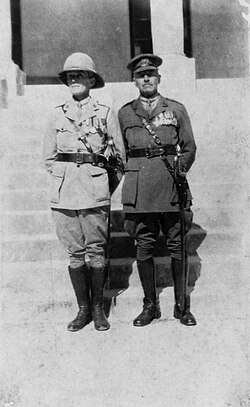
No. 3, 4, 6, and 7: Warm Weather Dress
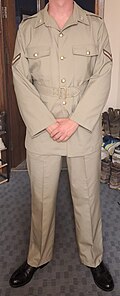
No. 3 dress is the tropical equivalent of No. 1 dress, consisting of a white cotton drill tunic. Once common across the Empire, it is now largely restricted to military attachés in tropical postings and specific units like the Royal Bermuda Regiment. No. 4 is a service dress for officers, No. 6 is a bush jacket for parades, and No. 7 is barrack dress for warm climates.
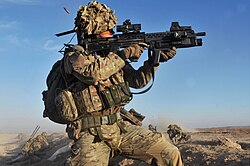
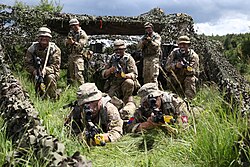
No. 8: Combat Dress
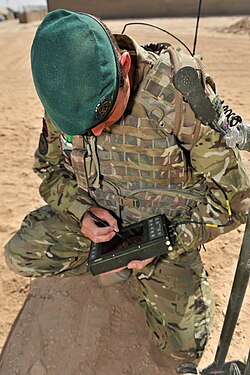
No. 8 dress is the functional utility uniform. Beret colors in this order are highly significant: Commando green for qualified commando personnel, scarlet for the Royal Military Police, and beige for the Special Air Service (SAS).
No. 10, 11, 13, and 14: Mess and Barrack Dress
No. 10 and 11 are mess dresses for temperate and warm weather, respectively. No. 13 and 14 are barrack dress; while still authorized, many of the associated short-sleeved shirts and trousers were withdrawn in 2018, leaving them primarily for officers in specific roles.
Historical Evolution
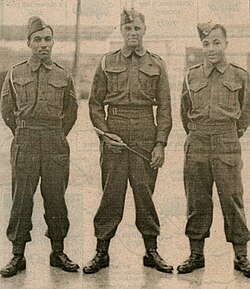
The transition from the iconic "red coats" to modern camouflage reflects the changing nature of warfare. The 19th century saw the shift from tailed coatees to skirted tunics, followed by the adoption of khaki for concealment. Between 1939 and the early 1960s, the "Battledress" (often called the pattern 37) became the standard, consisting of a wool serge blouse and high-waisted trousers.
By the mid-1940s, Jungle Green uniforms were introduced for the Burma campaign, eventually leading to the Disruptive Pattern Material (DPM) and modern camouflage systems used today.
| Order | Name | Primary Use | Key Feature |
|---|---|---|---|
| Full Dress | Ceremonial | Highest Tradition | Scarlet/Blue/Green Tunics |
| No. 1 | Temperate Ceremonial | Formal Parades | Peaked Cap or Regimental Headgear |
| No. 2 | Service Dress | Informal Parades | Khaki Tunic |
| No. 3 | Warm Weather Ceremonial | Tropical Formal | White Cotton Drill Tunic |
| No. 8 | Combat Dress | Field Operations | Camouflage and Colored Berets |
| No. 10 | Temperate Mess Dress | Evening Formal | Regimental Mess Attire |
Frequently Asked Questions
What is the difference between Full Dress and No. 1 Dress?
Full Dress is the most elaborate, traditional attire (often scarlet) used for the highest ceremonial events. No. 1 Dress is a more simplified temperate ceremonial uniform introduced in the 1930s as a cost-effective alternative to Full Dress.
Why do some soldiers wear different colored berets in combat dress?
Beret colors signify specific roles or qualifications. For example, the Royal Military Police wear scarlet, while those qualified for commando operations wear Commando green.
What does "mounted status" mean for a uniform?
Units with mounted status, such as the Royal Artillery or Royal Engineers, are permitted to wear certain uniform features traditionally reserved for cavalry regiments due to historical reasons.
Who wears the "staff uniform" in the British Army?
Staff uniforms are worn by senior officers of the rank of full colonel and above, unless they are serving as the honorary Colonel of a specific regiment.
What happened to the traditional "red coats"?
While the scarlet tunic remains part of the Full Dress for many regiments for ceremonial purposes, it was replaced in the field by khaki and later camouflage for practical combat reasons.