
British Stereotypes: Fact vs. Fiction
From the perceived quality of their cuisine to the state of their dental health, the people of the United Kingdom are often the subject of global stereotypes. Some of these perceptions are rooted in historical events, while others are based on cultural misunderstandings or outdated data. By examining the evidence, we can separate common myths from the actual realities of British life.
Key Facts
- Dental Health: WHO data and modern reports suggest British teeth are often as healthy as, or slightly healthier than, American teeth.
- Cuisine: While once viewed as bland due to post-WWII rationing, British food is now seen as "comfort food" and is highly diverse due to globalization.
- Language: Although bilingualism is relatively low, foreign language study is compulsory for British schoolchildren.
- Weather: The habit of discussing the weather serves as a social ice-breaker and is rooted in the UK's agrarian history.
- Tourism: Some European cities have reported rises in antisocial behavior linked to British tourists, often involving binge drinking.
Cultural Perceptions of British Behavior
Tourism and Social Conduct
In several countries, including Spain, Greece, Latvia, and Malaysia, British tourists have been associated with violent or antisocial behavior, frequently linked to binge drinking (the consumption of large amounts of alcohol in a short period). For example, Barcelona attributed an 18.5% increase in police complaints between 2015 and 2016 to British tourism, citing public nudity and street drinking. Similarly, Amsterdam launched a campaign in 2023 to discourage antisocial behavior following local complaints regarding drunken fights and public urination.
Beyond behavioral issues, there is a stereotype that British tourists, similar to Americans, prefer to speak English more slowly and loudly when interacting with foreigners rather than attempting to use the local language.
Football Hooliganism
The phenomenon of football hooliganism is so strongly linked to Britain that it is often called the "British disease" or "English disease." This reputation was cemented by events such as the Heysel Stadium disaster and the actions of groups like West Ham United's Inter City Firm, who were known for attempting to dismantle stadiums and force foreign supporters out of their own ends.
The issue was treated with extreme seriousness by the government; in 1985, Prime Minister Margaret Thatcher established a "war cabinet" to combat the violence. Following a widespread crackdown since the 1980s, the reputation of British football fans abroad has improved significantly.
Lifestyle and Identity
The Truth About British Food
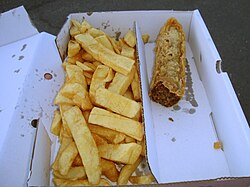
British cuisine is frequently the target of jokes, with critics labeling it low-quality or inedible. Much of this stems from the post-Second World War era, where rationing led to a perception of blandness. Dishes with unusual names—such as spotted dick, rumbledethumps, and bubble and squeak—often fuel these perceptions.
However, modern British food is generally viewed as a positive example of "comfort food." Furthermore, immigration and globalization have diversified the palate; popular cuisines in the UK now frequently include Indian, Chinese, Italian, Spanish, French, Japanese, Mexican, and Brazilian dishes.
Language and Monolingualism
There is a common belief that the British are strictly monolingual. While it is true that levels of bilingualism are relatively low—a trend mirrored in most English-speaking nations—the education system addresses this. British schoolchildren are required to take compulsory lessons in modern languages, such as Spanish, French, or German. While these lessons traditionally began in secondary school, there is an increasing emphasis on teaching foreign languages at an earlier age.
Health and Environment
The "Bad Teeth" Myth
The stereotype of poor British dental health is particularly prevalent in the United States. This often stems from a preference for "Hollywood teeth"—artificially whitened and straightened teeth—which focus on aesthetics rather than health. Some evidence suggests that artificial whitening can actually negatively impact dental health.
Scientific data contradicts the stereotype. A 2000 World Health Organization (WHO) report on 12-year-olds found the UK scored slightly higher than the US on the decay-missing-filled index (an average of 1.4-1.5 teeth per child in the UK vs 1.4 in the US). Modern reports consistently rank adult British teeth as slightly healthier than those of Americans.
This stereotype persists in American pop culture, appearing in The Simpsons episode "Last Exit to Springfield" and becoming a meme in 2014 via a Rimmel cosmetics ad featuring Georgia May Jagger, where viewers linked the "London look" to the gap between her front teeth.
Weather and National Character
British weather is synonymous with rain and fog. While London was historically famous for fog, this was largely due to pollution before the Clean Air Act 1956, which followed the Great Smog of 1952. The British are also stereotyped for their obsession with discussing the weather; a 2010 study revealed that 94% of British respondents had discussed the weather in the preceding six hours.
This habit is rooted in the UK's agrarian history, where weather was vital for farmers. Today, it serves as a social ice-breaker and a way to foster communal connections while avoiding controversial topics. This is reflected in traditional attire, such as Wellington boots and trench coats, designed for unpredictable conditions.
| Stereotype | Perception | Reality/Context |
|---|---|---|
| Dental Health | Poor/Crooked teeth | Statistically as healthy or healthier than US teeth. |
| Cuisine | Bland or inedible | Diverse modern palate; viewed as comfort food. |
| Language | Cannot speak other languages | Low bilingualism, but compulsory school language lessons. |
| Behavior | Antisocial tourists | Some reports of binge drinking in European cities. |
| Weather | Always raining/foggy | Unpredictable; weather talk is a cultural social tool. |
Frequently Asked Questions
Why do British people talk about the weather so much?
Historically, the UK's agrarian roots made weather critical for farming. Over time, this evolved into a cultural touchpoint and a safe social ice-breaker to avoid controversial subjects.
Is British food actually bland?
The image of bland food largely originated from post-WWII rationing. Today, British cuisine is seen as comfort food and is highly diverse due to the influence of global cuisines like Indian and Chinese.
Do British people really have worse teeth than Americans?
No. According to a 2000 WHO report and subsequent modern data, British dental health is comparable to or slightly better than that of the US, despite the American preference for cosmetic whitening.
What is the "British disease"?
The "British disease" refers to football hooliganism. While the UK faced significant issues with stadium violence in the 1980s, government crackdowns have since improved the reputation of British fans abroad.
Are British people generally monolingual?
While bilingualism levels are relatively low compared to some other nations, it is a common trait among many English-speaking countries. However, foreign language study is a compulsory part of the British school curriculum.