
Brook Street: A Historic Landmark of Mayfair's Architectural Heritage
Located in the heart of Mayfair, one of central London's most exclusive districts, Brook Street serves as a testament to the city's opulent urban development. This axial street, named after the Tyburn river it once crossed, offers a glimpse into the architectural evolution of the 18th century and the enduring influence of London's great estates.
The street's development began in the first half of the 18th century, stretching from Hanover Square to Grosvenor Square. Its western extension, known as Upper Brook Street, continues toward Park Lane, where its western terminus faces the Brook Street Gate of Hyde Park.
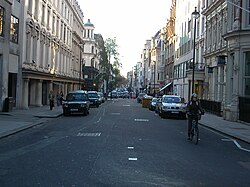
The Influence of the Grosvenor Estate
A defining characteristic of Brook Street is its land ownership. Since before 1800, the Grosvenor Estate has acted as the reversioner—the entity to whom the property eventually reverts. Consequently, most of the street consists of leasehold properties, meaning occupants pay ground rent and must seek lease renewals from the estate.
Architectural Evolution and Style
Historically, both Brook Street and Upper Brook Street were characterized by neo-classical terraced houses. These structures were largely built to individual designs rather than uniform blocks, reflecting the status of their wealthy tenants.
The architectural variety was significant:
- High-Opulence Designs: Particularly near Grosvenor Square, many houses featured tall ceilings, fine stucco work, and ornate detailing designed by renowned architects.
- Understated Elegance: Other properties showcased high-quality brickwork with fewer embellishments and simpler window openings.
While some of these original structures survive today, others have been replaced by buildings from later architectural periods.
Notable Residents and Landmarks
Brook Street is home to several world-renowned institutions and historical sites. The opulent Claridge's hotel is a dominant feature, occupying the majority of a block and fronting three different streets. Diplomatic presence is also felt here, with the Embassy of Argentina located at No. 65.
The Musical Legacy of Nos. 23–25
The street holds a special place in music history at Nos. 23–25, now known as the Handel & Hendrix in London. These adjacent properties were once the homes of two musical icons: George Frideric Handel and Jimi Hendrix. Specifically, Handel resided at No. 25 from 1723 to 1759, a fact that inspired the baroque chamber music ensemble, The Brook Street Band, to take its name from this address.
Culinary History on Upper Brook Street
Upper Brook Street also hosted significant landmarks, including the acclaimed French restaurant Le Gavroche. Located on the primary floors of No. 43, the establishment remained a staple of the London dining scene until its closure in January 2024.
Key Facts
- Location: Mayfair, Central London.
- Ownership: Primarily leasehold under the Grosvenor Estate since before 1800.
- Route: Runs from Hanover Square to Grosvenor Square, extending to Park Lane via Upper Brook Street.
- Architecture: Originally neo-classical terraced houses with varying levels of ornamentation.
- Musical Heritage: Home to the former residences of Handel (No. 25) and Jimi Hendrix.
| Feature | Details |
|---|---|
| Primary District | Mayfair |
| Major Landowner | Grosvenor Estate |
| Key Landmarks | Claridge's, Embassy of Argentina, Handel & Hendrix |
| Architectural Style | Neo-classical |
| Historical Connection | The Tyburn river |
Frequently Asked Questions
What is the relationship between Brook Street and the Grosvenor Estate?
Most of Brook Street is leasehold, meaning the Grosvenor Estate has been the reversioner since before 1800, collecting ground rent and managing lease renewals.
Which famous musicians lived on Brook Street?
Both George Frideric Handel (who lived at No. 25 from 1723 to 1759) and Jimi Hendrix once resided at Nos. 23–25, which now house the Handel & Hendrix museum.
What architectural styles are found on Brook Street?
The street originally consisted of neo-classical terraced houses. These ranged from highly ornate, stuccoed buildings with tall ceilings to more modest houses featuring quality brickwork.
Where does Upper Brook Street lead?
Upper Brook Street is the western continuation of Brook Street, leading toward Park Lane and ending at the Brook Street Gate of Hyde Park.
What happened to the restaurant Le Gavroche?
Le Gavroche, a famous French restaurant located at No. 43 Upper Brook Street, closed its doors in January 2024.