
Cannes Lions: The Global Benchmark for Creative Excellence
Widely regarded as the "Oscars" of the advertising industry, Cannes Lions is the world's most prestigious celebration of excellence in advertising and creative communications. Held annually on the French Riviera, the festival serves as a global meeting point for the most innovative minds in marketing, design, and media.
From its humble beginnings as a film-focused competition to its current status as a massive multidisciplinary event, Cannes Lions defines the standards of creativity that agencies worldwide strive to achieve.
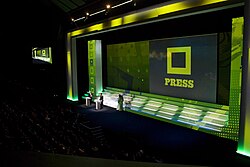
Key Facts
- Founded: September 1954.
- Current Owner: Informa (acquired Ascential in October 2024 for £1.2 billion).
- Primary Focus: Excellence in advertising and creative communications.
- Peak Entries: Over 43,000 submissions in 2016.
- Location: Cannes, France (Palais des Festivals).
The Evolution of the Festival
The event began 71 years ago as the International Advertising Film Festival. For decades, its primary focus remained on television and cinema advertisements. However, the landscape of communication shifted, and the festival evolved alongside it.
Commercial Growth and Expansion
In 1987, French executive Roger Hatchuel took a financial stake in the festival, transforming it into a commercial enterprise. By the early 1990s, the event began introducing educational seminars to help the industry navigate crises, such as the advertising slump during the first Gulf War. In 1992, the competition expanded to include print entries and was renamed the International Advertising Festival.
Modern Rebranding and Ownership
Ownership shifted in August 2004 when EMAP (later Ascential) purchased the festival for £52.5 million. To better reflect the shift from traditional advertising to a broader spectrum of creative communications, the event was rebranded as the Cannes Lions International Festival of Creativity in 2011.
Most recently, in October 2024, Informa completed a £1.2 billion acquisition of Ascential, bringing the festival under its management.
Award Structure and Participation
The prestige of a Cannes Lion is unmatched in the creative sector, leading to massive surges in participation. In 2011, the festival saw a then-record 28,828 entries. This number climbed to a peak of over 43,000 in 2016.
Recent years have seen fluctuations due to global events. The 2020 festival was canceled due to the COVID-19 pandemic, returning as a digital-only event in 2021 before resuming in-person gatherings in June 2022. Additionally, following the invasion of Ukraine, the 2022 festival banned Russian organizations while providing fee waivers and refunds for Ukrainian agencies.
The Fight for Integrity
The festival has faced challenges regarding the authenticity of submissions. Following a cheating scandal in 2025, organizers implemented stricter eligibility and verification requirements. These include enhanced fact-checking, mandatory client sign-offs, and bans on agencies submitting manipulated work. Consequently, total entries dropped by 25.5% to 20,050 in 2026 as the industry adjusted to these rigorous standards.
| Year/Period | Milestone/Event | Impact/Detail |
|---|---|---|
| 1954 | Inception | Founded as International Advertising Film Festival |
| 1992 | Print Expansion | Renamed International Advertising Festival |
| 2004 | Acquisition | EMAP acquires festival for £52.5 million |
| 2011 | Rebranding | Became International Festival of Creativity |
| 2016 | Participation Peak | Over 43,000 entries submitted |
| 2024 | Ownership Change | Informa acquires Ascential for £1.2 billion |
Controversies and Social Responsibility
As a high-profile global event, Cannes Lions has not been without criticism. In the 2010s, activists began highlighting the festival's environmental footprint, specifically the carbon emissions from international travel and the waste generated by single-use plastics.
Environmental Protests
In 2019, Extinction Rebellion members were arrested after blockading the Palais des Festivals. In 2022, Greenpeace launched a guerrilla campaign targeting the industry's ties to fossil fuels. During that same year's opening ceremony, 2007 Gold Lion winner Gustav Martner returned his award in protest, stating, "No awards on a dead planet."
Industry Ethics and Safety
The festival has also been scrutinized for its handling of sexual misconduct. Following reports of harassment and assault at the 2024 event, Cannes Lions introduced designated "Safe Zones" in 2025. However, these measures were met with criticism, leading to an industry petition calling for stronger, more comprehensive protocols.
Frequently Asked Questions
What is the significance of winning a Cannes Lion?
Winning a Cannes Lion is considered the highest honor in the advertising world, often compared to winning an Oscar in the film industry, signaling a peak of creative achievement and professional excellence.
How has the festival changed its entry requirements recently?
Following a 2025 cheating scandal, the festival introduced stricter verification, including enhanced fact-checking and mandatory client sign-offs to prevent the submission of fake or manipulated work.
Who currently owns the Cannes Lions festival?
The festival is currently presented by Informa Festivals, following their £1.2 billion acquisition of Ascential in October 2024.
How did the festival respond to the COVID-19 pandemic?
The 2020 festival was canceled. In 2021, it returned as a fully digital event, and by June 2022, it resumed as an in-person gathering on the French Riviera.
What are "Safe Zones" at Cannes Lions?
Introduced in 2025, Safe Zones are designated areas staffed by trained professionals intended to address and prevent sexual harassment and misconduct during the festival.