
Christian Social Party: The Evolution of Ukrainian Catholic Politics
The political landscape of western Ukraine at the turn of the 20th century was shaped by a complex interplay of faith, ethnicity, and imperial loyalty. At the center of this dynamic was a political movement rooted in the Ukrainian Greek Catholic Church, which sought to navigate the tensions between local aspirations and the overarching authority of the Austrian Empire.
The Origins of the Catholic Ruthenian People's Union
Founded in 1896, the movement began as the Catholic Ruthenian People's Union. In its early years, the organization enjoyed significant institutional backing. It was supported by Metropolitan Sembratovych, the head of the Ukrainian Greek Catholic Church, and received financial subsidies from the Austrian government for its newspaper, Ruslan.
Transition to the Christian Social Party
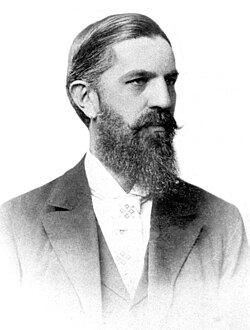
By 1911, under the leadership of Oleksander Barvinsky, the organization underwent a rebranding and renamed itself the Christian Social Party. This transition marked a period of formal political engagement, as the party sent representatives to both the local Galician Diet and the Austrian Parliament in Vienna.
Despite its official presence, the party's influence was uneven. It found more resonance among Ukrainian civil servants than among the clergy. Furthermore, the party maintained an uncritically loyal stance toward the Habsburg monarchy, a position that limited its popularity among the broader Ukrainian population.
Political Shifts After the Fall of Austria-Hungary
The collapse of the Austro-Hungarian Empire brought drastic changes to the region. The Christian Social Party participated in the formation of the West Ukrainian People's Republic, an attempt to establish a sovereign state. However, following the Polish–Ukrainian War, western Ukraine fell under the control of the Second Polish Republic.
The party continued to operate until the 1930s, eventually splitting into two distinct paths:
- Ukrainian National Democratic Alliance (UNDO): A moderate organization that opposed the radical Organization of Ukrainian Nationalists.
- Ukrainian Catholic People's Party (also known as Ukrainian People's Renewal or UKNP/UNO): A group that advocated for the autonomy of western Ukraine while remaining loyal to the Polish state.
The Ukrainian People's Renewal aimed to serve as an intermediary between the West and the East. While they successfully placed a member in the Polish Senate and parliament, they remained relatively unimportant within the wider Ukrainian society.
The End of the Movement
The movement's trajectory ended abruptly during the Second World War when the Soviet Union annexed western Ukraine, leading to the total cessation of the Christian Social Movement in the region.
Throughout its existence, the movement faced criticism for its clericalism—the perceived undue influence of religious leaders in political affairs. This drew condemnation from both left-wing socialist groups and right-wing nationalist factions.
Key Facts
- Founded: 1896 as the Catholic Ruthenian People's Union.
- Key Leader: Oleksander Barvinsky, who led the transition to the Christian Social Party in 1911.
- Imperial Loyalty: Strongly loyal to the Habsburg monarchy during the Austrian period.
- Successor Groups: Members eventually joined UNDO or formed the Ukrainian People's Renewal (UKNP/UNO).
- Demise: Ceased to exist following the Soviet annexation of western Ukraine during WWII.
| Period | Organization Name | Primary Affiliation/Loyalty | Key Outcome |
|---|---|---|---|
| 1896–1911 | Catholic Ruthenian People's Union | Austrian Government / Greek Catholic Church | Publication of Ruslan |
| 1911–1918 | Christian Social Party | Habsburg Monarchy | Representation in Vienna and Galician Diet |
| Post-WWI | Christian Social Party / UKNP | West Ukrainian People's Republic / Polish State | Split into UNDO and Ukrainian People's Renewal |
| WWII | N/A | Soviet Union (Annexation) | Movement ceased to exist |
Frequently Asked Questions
Who founded the Christian Social Party?
The party was originally founded in 1896 as the Catholic Ruthenian People's Union and was later led by Oleksander Barvinsky, who oversaw its renaming to the Christian Social Party in 1911.
Why was the party criticized by other political groups?
The movement was criticized for its clericalism, meaning its strong ties to the Ukrainian Greek Catholic Church, which alienated both left-wing socialists and right-wing nationalists.
What was the relationship between the party and the Habsburg monarchy?
The Christian Social Party was uncritically loyal to the Habsburg monarchy, a stance that made it popular with civil servants but less so with the general Ukrainian population.
What happened to the party after the Polish–Ukrainian War?
The party continued to function until the 1930s, after which members either joined the moderate Ukrainian National Democratic Alliance (UNDO) or formed the Ukrainian Catholic People's Party (Ukrainian People's Renewal).
How did the Soviet Union affect the movement?
The Christian Social Movement ceased to exist in western Ukraine after the region was annexed by the Soviet Union during the Second World War.