
Cocktails: The History, Art, and Evolution of Mixed Drinks
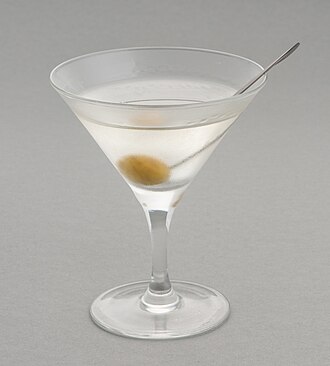
A cocktail is a mixed drink, typically alcoholic, created by combining one or more spirits with other ingredients. These additions can range from fruit juices and flavored syrups to tonic water, shrubs, and bitters. While they vary widely across different global regions, cocktails have evolved from simple medicinal tonics into a sophisticated global culture of mixology.
From the ancient banquets of Greece to the modern "cocktail in a can," these beverages reflect the social and cultural shifts of the eras in which they were enjoyed. Today, staples like the Martini, Manhattan, and Mojito are not just drinks but icons of pop culture.
Key Facts
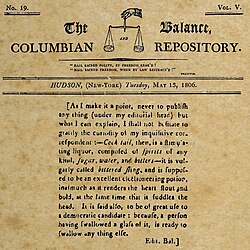
- First Definition: The first known definition of a cocktail as an alcoholic beverage appeared in 1806 in The Balance and Columbian Repository.
- Core Components: Traditionally, cocktails consisted of spirits, sugar, water, and bitters.
- Prohibition Impact: The U.S. Prohibition era (1920–1933) shifted popularity toward gin and sweeter mixers to mask the taste of inferior illicit liquor.
- Mixology: The early to mid-2000s saw a renaissance of "mixology," blending traditional recipes with novel ingredients.
- Ancient Roots: Ancient Greeks prepared kykeon and other mixtures of wine, honey, and herbs.
The History of the Mixed Drink
Ancient Beginnings
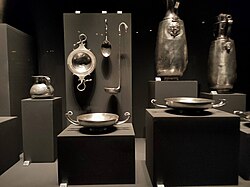
The practice of mixing drinks dates back to ancient Greece. One well-known mixture was kykeon, mentioned in Homeric texts and used in the Eleusinian Mysteries. Evidence from the Museum of the Royal Tombs of Aigai shows that the court of Philip II of Macedon used specialized accessories to serve mixtures of wine, water, honey, and aromatic extracts during banquets.
The American Evolution
In the United States, the term "cocktail" first appeared in The Farmers Cabinet in 1803. By May 13, 1806, Harry Croswell provided the first formal definition, describing it as a "stimulating liquor" composed of spirits, sugar, water, and bitters.
The professionalization of the craft began in 1862 when Jerry Thomas published How to Mix Drinks; or, The Bon Vivant's Companion. This guide included 10 specific cocktail recipes, using bitters to distinguish them from other mixed drinks like punches and cobblers.
Prohibition and the Modern Era
The 20th century brought dramatic shifts. In 1917, Julius S. Walsh Jr. coined the term "cocktail party." During the U.S. Prohibition (1920–1933), liquor-based cocktails became more popular than wine or beer due to accessibility in speakeasies. Because illicit liquor was often poor quality, bartenders used honey and fruit juices to mask the taste.
After a decline in the late 1960s, cocktails resurged in the 1980s, often replacing gin with vodka. The 21st century introduced the era of mixology—a sophisticated approach to flavor and presentation—and the recent proliferation of pre-mixed "cocktails in a can."
Understanding Cocktail Components
A cocktail is built upon a structural hierarchy of ingredients to ensure balance and flavor.
The Base and Modifiers
The base is the dominant ingredient, consisting of either spirit-based or wine-based liquors. The base defines the cocktail's style; for example, a gin base creates a Martini, while a whisky base creates a Manhattan. While mixing multiple bases is possible, it is often considered risky in terms of flavor balance.
Modifiers and flavoring agents, such as liqueurs, cordials, and non-alcoholic syrups, are added to complement the base. Because these can easily overpower the drink, they are often added in small quantities, such as drops or dashes.
Classifications of Mixed Drinks
- Highball: A drink containing only a distilled spirit and a mixer (e.g., soda or fruit juice).
- Duo: A mixture of a distilled spirit and a liqueur.
- Trio: A duo that adds cream or a cream-based liqueur.
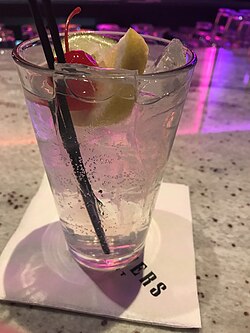
- Mocktail: Also known as "zero-proof" or "virgin" cocktails, these are non-alcoholic drinks that resemble cocktails.
The Mystery of Etymology
The origin of the word "cocktail" is a subject of historical debate. Most scholars agree it stems from "cock-tail," referring to a horse's tail standing up, but the application to drinks is contested.
Leading Theories
Historian David Wondrich suggests the term refers to "gingering," a practice of using a ginger suppository to make an old horse "cock its tail" and become frisky. This aligns with early citations describing cocktails as "stimulating" medicinal drinks.
Etymologist Anatoly Liberman supports a theory that "cocktail" referred to non-thoroughbred horses with docked tails. By extension, the term was used for "ill-bred" people or, in the case of drinks, a diluted spirit that was "raised above its station" but not a "purebred" liquor.
Folk Etymologies
Some suggest the word is a corruption of "cock ale" or derived from the French coquetier (eggcup), which Antoine A. Peychaud allegedly used to serve cognac and bitters. However, these are generally dismissed as folk etymologies in favor of the horse-related origins.
Summary of Cocktail Types
| Type | Primary Ingredients | Key Characteristic |
|---|---|---|
| Classic Cocktail | Spirit, sugar, water, bitters | Balanced, stimulating, often medicinal roots |
| Highball | Distilled spirit + mixer | Simple, refreshing, larger volume |
| Duo | Distilled spirit + liqueur | Concentrated alcoholic flavor |
| Trio | Spirit + liqueur + cream | Rich, creamy texture |
| Mocktail | Non-alcoholic mixers/syrups | Zero-proof imitation of a cocktail |
Frequently Asked Questions
What is the difference between a cocktail and a highball?
A cocktail is generally a more complex mixture involving spirits, modifiers, and flavoring agents. A highball is a simpler mixed drink consisting specifically of a distilled spirit and a mixer, such as soda water or fruit juice.
Who was Jerry Thomas?
Jerry Thomas was a pioneering bartender who published How to Mix Drinks; or, The Bon Vivant's Companion in 1862. His work is significant for providing some of the first written cocktail recipes and distinguishing cocktails from punches and cobblers through the use of bitters.
How did Prohibition change cocktails?
During Prohibition (1920–1933), the quality of available liquor dropped, leading to a shift from aged whiskies to gin. Bartenders began using sweeter ingredients, like honey and fruit juices, to mask the harsh taste of illicit spirits.
What does "mixology" mean?
Mixology is a style of cocktail preparation that emerged in the early to mid-2000s. It combines traditional cocktail foundations with novel ingredients and complex flavor profiles to elevate the drink into a culinary art.
What is a "zero-proof" cocktail?
A zero-proof cocktail, also known as a mocktail or virgin cocktail, is a non-alcoholic beverage designed to mimic the taste and presentation of a traditional alcoholic cocktail.