
Commonwealth Court Dress: Traditions and Modern Reforms
Court dress serves as a visual symbol of the authority, impartiality, and continuity of the legal system. Across the Commonwealth, these traditions vary from the strict adherence to 18th-century English styles to modern, simplified business attire. While some jurisdictions maintain the use of wigs and gowns to preserve solemnity, others have undergone significant reforms to modernize the image of the judiciary.
Key Facts
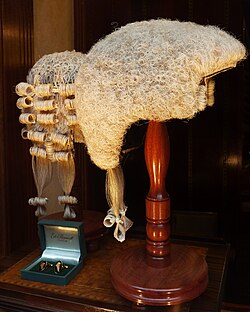
- United Kingdom: Civil judges transitioned to simplified, zip-up robes without wigs in 2008, while criminal court dress remains largely traditional.
- King's Counsel (KC): Distinguished by "taking silk," these senior lawyers wear silk gowns and, on ceremonial occasions, long wigs and buckled shoes.
- Australia: Many states have abolished wigs; the Federal Court uses robes with "ombres" (tucks) representing the states and territories.
- Canada: Wigs were phased out by the mid-19th century, though gowns and bar jackets remain standard.
- India & Pakistan: Legal attire blends British traditions with local garments, such as the sherwani (a long traditional coat).
Court Dress in the United Kingdom
The Supreme Court
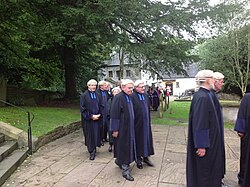
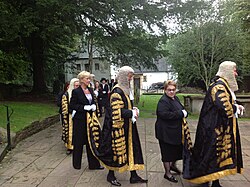
The Justices of the Supreme Court of the United Kingdom follow the tradition of the former Law Lords, typically sitting in ordinary business clothing. However, for ceremonial events, they wear a black damask robe embellished with gold and the court's badge. Since 2011, justices and counsel may jointly agree to dispense with traditional dress during sittings.
England and Wales: The 2008 Reforms
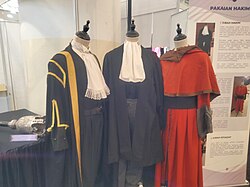
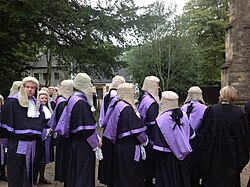
In 2008, significant changes were introduced to the working dress of judges in civil and family cases. The traditional wig, collar, and bands were replaced by a "midnight blue gabardine" zip-up gown with navy blue velvet facings. The rank of the judge is indicated by colored tabs at the collar: gold for Appeal Court, red for High Court, pink for Masters/Insolvency judges, and blue for District judges.
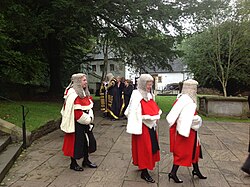
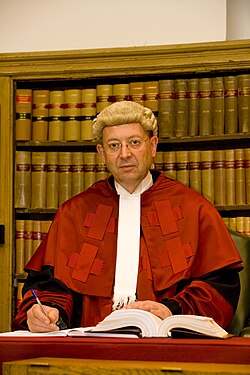
Conversely, dress in criminal courts remains largely unchanged. High Court judges in the King's Bench Division continue to wear scarlet robes with fur facings and short wigs when handling first-instance criminal business.
Advocates and Legal Professionals
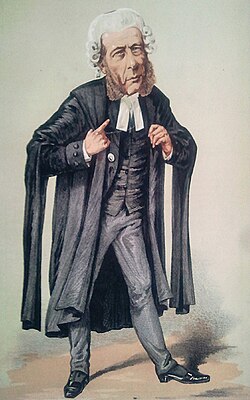
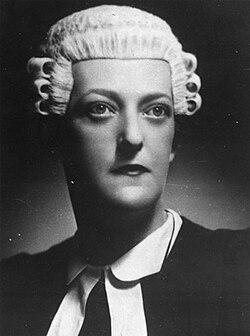
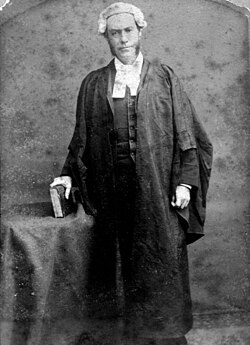
Male advocates typically wear a white stiff wing collar with bands (two cotton strips) and a dark suit or a bar jacket. Female advocates often use a collarette. Solicitors wear similar collars but use gowns with square collars and no gathered sleeves.
Senior barristers or solicitors appointed as King's Counsel (KC) wear a silk gown, leading to the colloquial term "silks." On ceremonial occasions, they don full regalia, including long wigs, black breeches, and lace jabots.
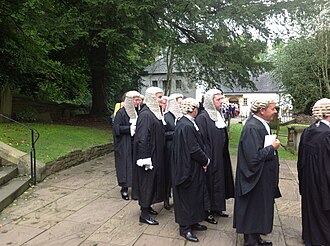
Judicial Attire Across the Commonwealth
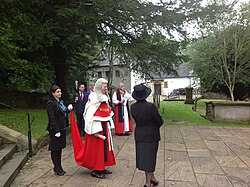
Australia
Australian court dress is highly jurisdictional. The High Court of Australia uses plain black zippered robes. The Federal Court employs wool robes with specific trim colors (black for first instance, red for appeals) and seven horizontal tucks symbolizing the states and territories.
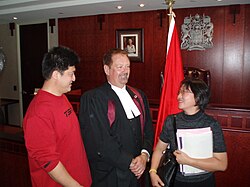
Reform has been prominent in Western Australia and Victoria, where wigs have been largely abolished for both judges and lawyers in various courts to modernize proceedings.
Canada
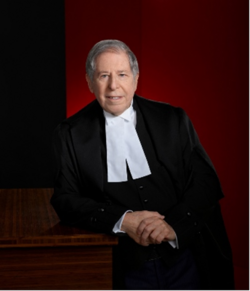
Canadian dress mirrors pre-2008 English styles but without the wigs. Barristers gown for Superior-level courts and Courts of Appeal. Notably, the Supreme Court of Canada updated its ceremonial attire in October 2025, moving from scarlet robes and tricorne hats to simpler black robes with red piping.
Asia and Other Regions
- India: Lawyers wear black coats (including the chapkan or sherwani) and white bands. Wigs are not used.
- Malaysia: Based on English dress but modified; judges wear a songkok (traditional cap) and waterfall cravat instead of wigs.
- Pakistan: Maintains British-Raj traditions of black coats and ties, though judges may optionally wear a black sherwani over a shalwar qamiz.
- Sri Lanka: After a period of using business suits in the 1970s, traditional elements returned in the 1980s. Supreme Court judges wear scarlet gowns and long wigs for ceremonial sittings.
Summary of Court Dress Elements
| Role/Region | Primary Garment | Headwear/Neckwear | Key Distinctions |
|---|---|---|---|
| UK Civil Judge | Zip-up blue gown | No wig/bands | Colored tabs indicate rank |
| UK King's Counsel | Silk gown | Short wig (daily) / Long wig (ceremonial) | Known as "silks" |
| Australian Federal Court | Wool robe | No wig | Tucks represent states/territories |
| Canadian Judge | Black gown | White collar and tabs | No wigs since mid-19th century |
| Indian Advocate | Black coat/gown | White bands | May wear dhoti or trousers |
Frequently Asked Questions
Why are senior barristers called "silks"?
They are called "silks" because King's Counsel (KC) are entitled to wear a gown made of silk rather than the stuff (wool/synthetic) gowns worn by junior barristers.
Do all Commonwealth judges still wear wigs?
No. Many jurisdictions have abolished them. For example, Canada phased them out in the 19th century, and the UK abolished them for civil and family judges in 2008.
What do the colored tabs on UK civil robes represent?
The tabs indicate the judge's level: gold for Appeal Court, red for High Court, pink for Masters/Insolvency judges, and blue for District judges.
How does Indian court dress differ from British tradition?
While it retains the black coat and white bands, Indian lawyers may wear traditional garments like the sherwani or dhoti instead of Western trousers.
What is the purpose of the "ombres" on Australian Federal Court robes?
The seven horizontal tucks (ombres) symbolize the six Australian states and the territories, representing the federal nature of the court's jurisdiction.