
Cutwater Design and Function in Naval Architecture
In the world of maritime engineering, the efficiency of a vessel depends heavily on how it interacts with the water it displaces. One of the most critical components in managing this interaction is the cutwater, a specialized part of the ship's forward structure designed to optimize movement through the sea.
What is a Cutwater?
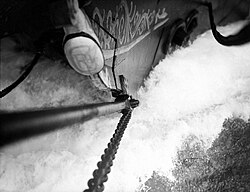
A cutwater is the forward-most part of the prow (the front of the ship) or the stem (the upright structural member forming the bow) located specifically around the waterline. It serves as the primary point of contact between the vessel and the water as the ship moves forward.
The Primary Purpose of the Cutwater
The fundamental role of the cutwater is to manage the physics of the water's surface. As a vessel advances, it encounters surface tension—the cohesive force that holds the surface of a liquid together. Without an effective cutwater, a vessel would push a larger volume of water ahead of it, increasing resistance.
By effectively "cutting" through the water, the cutwater breaks this surface tension, allowing the vessel to slice through the medium more efficiently. This reduction in resistance helps the watercraft move more easily, which can improve overall speed and fuel efficiency.
Key Facts
- Location: Situated at the forward part of the prow or stem.
- Positioning: Specifically aligned around the vessel's waterline.
- Primary Function: Breaks the surface tension of the water.
- Main Benefit: Reduces resistance to make the vessel move more easily.
| Feature | Description |
|---|---|
| Structural Component | Forward part of the prow or stem |
| Operational Zone | Waterline |
| Physical Target | Surface tension of the water |
| Outcome | Increased ease of movement |
Frequently Asked Questions
Where exactly is the cutwater located on a ship?
The cutwater is located at the very front of the watercraft, specifically the forward part of the prow or stem where the hull meets the waterline.
How does a cutwater affect a vessel's movement?
It makes the vessel move more easily by breaking the surface tension of the water ahead of the ship, which reduces the resistance the hull faces.
What is the difference between the prow and the cutwater?
The prow is the general forward part of the ship's bow, while the cutwater is the specific section of that prow located at the waterline designed to slice through the water.
Why is breaking surface tension important for ships?
Breaking surface tension reduces the amount of energy required to push the vessel forward, allowing for smoother and more efficient navigation through the water.