
Czech and Slovak Migration to Bulgaria
Following the Liberation of Bulgaria in 1878, the young nation sought to accelerate its cultural and economic growth. This era saw a significant influx of intellectuals, entrepreneurs, and farmers from Austria-Hungary, specifically ethnic Czechs and Slovaks, who played a pivotal role in shaping the infrastructure and academic landscape of modern Bulgaria.
Key Facts
- Arrival: Migration surged after the 1878 Liberation of Bulgaria.
- Urban Influence: Czech and Slovak professionals served as ministers, architects, and brewery founders.
- Rural Settlement: The 1880 Law for the settlement of the desolated lands attracted Protestant colonists from the Romanian Banat and Vojvodina.
- Major Colony: Voyvodovo in Vratsa Province was the most prominent rural Czech settlement.
- Departure: Between 1948 and 1950, over 2,000 individuals returned to Czechoslovakia.
Urban Pioneers and Intellectual Contributions
The urban migration consisted largely of highly skilled professionals who integrated into the highest levels of Bulgarian society. Among the most influential was Konstantin Josef Jireček, a historian who served as the Minister of Education from 1881 to 1882. The academic and artistic spheres were further enriched by painters Ivan Mrkvička and Jaroslav Věšín, as well as archaeologists Karel and Hermann Škorpil.
Infrastructure and industry also benefited from this expertise. The Prošek family, led by engineer Jiří Prošek, founded the Sofia brewery and constructed the Lavov most and Orlov most bridges. Similarly, Franz Milde established the Shumen brewery. The physical layout of Bulgarian cities was shaped by architects such as Antonín Kolář (the first chief architect of Sofia), Josef Schnitter (chief architect of Plovdiv), and Lubor Bajer, who designed the modern street network of Stara Zagora. Additionally, Václav Dobruský served as the first director of the National Archaeological Museum.
Rural Colonization and Ethnic Enclaves
While intellectuals settled in cities, the Law for the settlement of the desolated lands of 1880 encouraged rural migration. These colonists were primarily Protestants originating from the Romanian Banat (specifically Nădlac and Sfânta Elena) and the Vojvodina region of modern-day Serbia.
The village of Voyvodovo in Vratsa Province became the most notable rural Czech colony. Founded in 1900, its population reached 800 by the 1930s, consisting of over 600 Czechs, with the remainder being Slovaks, Banat Swabians, and Banat Bulgarians.
Other significant settlements included Gorna Oryahovitsa and the villages of Podayva and Belintsi in Razgrad Province. A strong Slovak presence was also established in Pleven Province, specifically in Podem, Brashlyanitsa, and Gorna Mitropolia. Notably, Ďuro Mikoláš of Gorna Mitropolia served as a batman (an orderly) to Tsar Ferdinand I of Bulgaria.
The Slovak Community in Podem
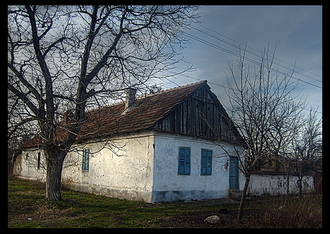
In the village of Podem (historically known as Martvitsa or Slovak Mŕtvica), Slovak settlers arrived from the southern Kingdom of Hungary in 1884. By 1910, the community numbered 210 people. They maintained a distinct cultural identity, living in a separate neighborhood characterized by traditional Slovak houses—white, elongated structures with steep roofs. In 1934, the community completed the construction of their Evangelical Lutheran church.
Summary of Czech and Slovak Influence
| Category | Key Figures / Locations | Impact/Detail |
|---|---|---|
| Government & Academia | Konstantin Josef Jireček, Václav Dobruský | Minister of Education; National Archaeological Museum leadership |
| Architecture & Urbanism | Antonín Kolář, Lubor Bajer, Josef Schnitter | Chief architects of Sofia and Plovdiv; Stara Zagora street network |
| Industry | Jiří Prošek, Franz Milde | Founding of Sofia and Shumen breweries |
| Rural Colonies | Voyvodovo, Podem, Belintsi | Agricultural settlement and preservation of ethnic architecture |
The Great Return
The presence of these communities shifted dramatically following World War II. Between 1948 and 1950, the government of Czechoslovakia called for its citizens to return to their native land to help repopulate areas deserted during the war. Over 2,000 Czechs and Slovaks from Sofia and various rural localities responded to this call.
Following this exodus, only about 5% of the peak population remained in Bulgaria, consisting primarily of individuals who had married local Bulgarians.
Frequently Asked Questions
Why did Czechs and Slovaks move to Bulgaria after 1878?
They arrived to foster the cultural and economic development of Bulgaria following its liberation, with professionals filling key roles in government, architecture, and industry, while farmers were attracted by land settlement laws.
What was the significance of the village of Voyvodovo?
Voyvodovo was the most prominent rural Czech colony in Bulgaria. Founded in 1900 in the Vratsa Province, it grew to a population of 800 by the 1930s.
How did Slovak architecture differ in Podem?
The Slovak community in Podem built characteristic houses that were white, elongated, and featured steep roofs, maintaining a distinct visual identity within the village.
Who were some of the most influential Czechs in Bulgarian urban development?
Key figures included Antonín Kolář, the first chief architect of Sofia, and Lubor Bajer, who designed the modern street network of Stara Zagora.
What happened to the Czech and Slovak communities after 1948?
The majority of the community—over 2,000 people—returned to Czechoslovakia between 1948 and 1950 to help repopulate areas affected by World War II, leaving only about 5% of the population behind.