
Diaper History: From Rhombic Fabrics to Superabsorbent Polymers
The modern diaper is a staple of childcare, yet its journey from a decorative fabric pattern to a high-tech disposable garment is a fascinating evolution of material science and social change. What began as simple cloth wraps has transformed into a multi-billion dollar industry driven by the need for convenience and improved hygiene.
The Etymology of the Diaper
Long before it was associated with baby care, the word diaper referred to a specific textile design. In Middle English, it described a fabric featuring a repeated pattern of rhombic (diamond) shapes, typically made from white cotton or linen. This terminology has been used in England since the 1590s.
By the 19th century, the term shifted to describe the actual garment—pieces of soft cloth folded around a baby's bottom to absorb waste. While this terminology persisted in the United States and Canada, the United Kingdom adopted the word nappy, which is believed to be a diminutive form of "napkin."
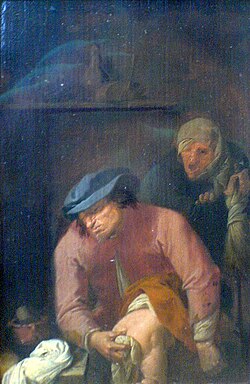
The Era of Cloth and Early Challenges
During the 19th century, cloth diapers became more standardized. In the United States, Maria Allen began mass-producing cloth diapers in 1887. In the UK, parents often used terry towelling (a absorbent fabric with uncut loops) frequently lined with soft muslin.
To prevent leaks, caregivers sometimes used wool or rubber pants over the cloth. However, early medical opinions were divided; some doctors feared rubber pants acted as a poultice that damaged infant skin. This era was plagued by diaper rash. While lack of air circulation was a factor, it was eventually discovered that the primary causes were poor hygiene, infrequent changes, and prolonged contact with fecal matter.
Early 20th Century Materials
By 1935, medical guidance suggested using soft Turkish towelling and absorbent napkins made of butter muslin or "mutton cloth" to maintain hygiene and prevent the formation of bad habits during the night.
The Rise of the Disposable Diaper
The transition to disposable options began in the 1930s, with "Destroyable Babies Napkins" appearing in wholesale catalogues. Early attempts at innovation faced significant hurdles. In 1944, Hugo Drangel suggested using cellulose wadding (paper tissue), but the material was too rough and crumbled when wet.
Breakthroughs arrived in the late 1940s through independent inventors:
- Marion Donovan: In 1946, she created the "Boater," a waterproof cover made from army surplus nylon parachute cloth. Patented in 1951, she eventually sold the rights for $1 million.
- Valerie Hunter Gordon: In 1947, this Scottish housewife developed "Paddi," a two-part system featuring a disposable cellulose pad inside a plastic garment. After initial rejection from manufacturers, she partnered with Robinsons of Chesterfield in 1949, leading to widespread sales via Boots UK.
Despite these successes, some industry managers remained skeptical. In Sweden, Lil Karhola Wettergren attempted to market a similar two-part system in 1956, but was told that wives would never agree to "put paper on their children."
Industrialization and the "Diaper Wars"
Post-World War II, a societal shift occurred. Mothers seeking more freedom to work and travel drove a massive demand for disposables. This led major companies like Johnson and Johnson, Playtex, and Procter & Gamble (P&G) to enter the market.
In 1956, P&G began researching a new design. Victor Mills and William Dehaas developed Pampers, which launched in 1961. This sparked intense competition with Kimberly-Clark's Huggies, leading to the "Diaper Wars" of the 1980s, characterized by aggressive patent infringement lawsuits between the two giants.
Technological Advancements
Competition drove rapid innovation in design and materials:
- Double Gussets: Introduced by P&G in 1973, these folded areas conformed to the infant's thigh to prevent leaks and improve fit.
- Hourglass Shape: Designed to reduce bulk in the crotch area.
- Refastenable Tapes: Allowed for easier adjustments.
- Superabsorbent Polymers: In 1984, the industry adopted sodium polyacrylate (developed in 1966), which drastically increased the amount of liquid a diaper could hold.
Summary of Diaper Evolution
| Era/Period | Primary Material | Key Innovation/Feature | Notable Figure/Brand |
|---|---|---|---|
| 1590s - 1800s | Linen/Cotton | Rhombic patterns (diaper fabric) | N/A |
| Late 19th Century | Terry Towelling/Muslin | Mass production of cloth diapers | Maria Allen |
| 1940s - 1950s | Nylon/Cellulose | Waterproof covers and 2-part systems | Marion Donovan / Valerie Gordon |
| 1960s - 1980s | Synthetic Polymers | All-in-one disposables & superabsorbents | Pampers / Huggies |
Key Facts
- The word "diaper" originally described a rhombic fabric pattern, not a garment.
- Maria Allen pioneered the mass production of cloth diapers in the US in 1887.
- Marion Donovan patented a waterproof nylon cover in 1951, selling the rights for $1 million.
- Pampers was conceptualized in 1959 and launched in 1961 by Procter & Gamble.
- Sodium polyacrylate, introduced in 1984, revolutionized absorbency.
- The term nappy is a UK diminutive of "napkin."
Frequently Asked Questions
Why is it called a "nappy" in the UK but a "diaper" in the US?
The US term "diaper" comes from the Middle English word for a rhombic fabric pattern. The UK term "nappy" is a diminutive form of the word "napkin."
Who invented the first waterproof diaper cover?
Marion Donovan invented the "Boater" in 1946 using army surplus nylon parachute cloth, which she later patented in 1951.
What caused diaper rash in the early 20th century?
While lack of air circulation was considered a factor, the primary causes were poor hygiene, ineffective washing of cloth diapers, and leaving infants in contact with fecal matter for too long.
What is the "superabsorbent material" used in modern diapers?
Modern diapers use a polymer called sodium polyacrylate, which was originally developed in 1966 and introduced to diapers in 1984 to significantly increase liquid retention.
What were the "Diaper Wars"?
The "Diaper Wars" refers to the intense competition between Procter & Gamble (Pampers) and Kimberly-Clark (Huggies) during the 1980s, which involved numerous patent infringement lawsuits.