
Diplomatic Correspondence: From Note Verbale to Bouts de Papier
In the world of international relations, the way a message is delivered is often as important as the message itself. Diplomatic communication relies on a strict hierarchy of formality to ensure clarity, preserve confidentiality, and maintain professional courtesy between sovereign states. From highly structured official letters to informal speaking notes, these tools allow diplomats to navigate complex geopolitical tensions with precision.
The Note Verbale
A note verbale (French for "verbal note") is a formal diplomatic communication. Despite its name, it is a written document; it is so called because it originally served as a formal record of information that had been delivered orally. Also known as a third person note (TPN), it occupies a middle ground in formality—less formal than a full letter of protest, but more formal than an aide-mémoire.
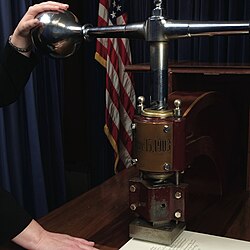
These notes are always written in the third person and printed on official letterhead. To ensure authenticity, they are typically sealed with a stamp or an embosser. A standard note verbale follows a rigid structure, beginning with a formal salutation such as: "The [name of sending state's] Embassy presents its compliments to the Ministry of Foreign Affairs and has the honor to invite their attention to the following matter."

The closing of the document is equally standardized, usually ending with a valediction like: "The Embassy avails itself of this opportunity of assuring the Ministry of its highest consideration." While most nations use standard stationery, the British Foreign Office traditionally writes its notes verbales on blue paper.
Practical Application
Notes verbales are often used for official protests. For example, Ukraine utilized this format to categorically deny the extension of Russian Federation sovereignty over Ukrainian territory following the annexation of Crimea, reserving the right to take measures under international and Ukrainian law.
Collective and Identic Notes
Depending on the number of senders and recipients, diplomatic notes may take specialized forms:
- Collective Note: A letter sent from multiple states to a single recipient state. Because it requires multiple governments to agree on the exact wording, this format is rarely used. It is always written in the third person.
- Identic Note: A single letter sent from one state to multiple recipient states. Notable historical examples include Thomas Jefferson's correspondence regarding the Barbary Pirates, and a 1929 note from the United States to China and the Soviet Union urging a peaceful resolution to differences over the Eastern China Railway.
Informal Diplomatic Tools
Not all diplomatic exchanges require the rigidity of a note verbale. There are several tools used for more fluid or confidential negotiations.
Bouts de Papier
A bout de papier (speaking note) is a short summary of main points prepared in advance and presented by a visiting official at the end of a meeting. It serves two primary purposes: it acts as a memory aid for the speaker and eliminates ambiguity caused by verbal miscues. To maintain the confidentiality of the meeting, these notes are presented without credit or attribution.
Démarches and Aides-Mémoire
A démarche is a written request or intercession with a foreign official. It is considered less formal than a bout de papier and is delivered in person without attribution from the composing state.
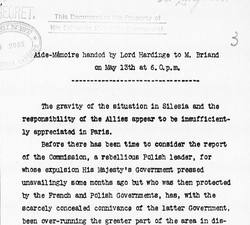
Similarly, an aide-mémoire (sometimes referred to as a "non-paper") is an informal negotiating text or proposed agreement circulated among multiple states. Because it has no title, identified source, or attribution, it allows delegations to discuss ideas without officially committing their home country to the contents of the document.
Key Facts
- Note Verbale: A third-person formal note, typically sealed with an embosser.
- Collective Note: One letter from many states to one state (rarely used).
- Identic Note: One letter from one state to many states.
- Bout de Papier: An unattributed summary used as a memory aid after meetings.
- Aide-Mémoire: An informal "non-paper" used for negotiations without official commitment.
- Démarche: An unattributed written request delivered in person.
Diplomatic Communication Summary
| Format | Formality Level | Perspective | Primary Purpose |
|---|---|---|---|
| Note Verbale | Medium-High | Third Person | Official record/notification |
| Collective Note | High | Third Person | Joint communication from multiple states |
| Identic Note | High | Third Person | Simultaneous communication to multiple states |
| Bout de Papier | Low | Unattributed | Meeting summary and memory aid |
| Démarche | Very Low | Unattributed | In-person request or intercession |
| Aide-Mémoire | Very Low | Unattributed | Informal negotiation/non-committal text |
Frequently Asked Questions
What is the difference between a note verbale and an aide-mémoire?
A note verbale is a formal, third-person document on official letterhead with a formal salutation and valediction. An aide-mémoire is an informal "non-paper" used for discussion without official attribution or commitment.
Why are collective notes rarely used?
Collective notes are uncommon because it is difficult for multiple sovereign states to reach a total agreement on the exact wording of a single letter.
What is the purpose of a bout de papier?
It serves as a memory aid for a visiting official and ensures there is no ambiguity regarding the subjects discussed during a meeting, while remaining unattributed to preserve confidentiality.
How is a note verbale typically authenticated?
They are generally printed on official letterhead and sealed using an embosser or a stamp.
What is an identic note?
An identic note is a single diplomatic letter sent by one state to multiple different recipient states simultaneously.