
Ecuadorian–Peruvian War of 1941
The Ecuadorian–Peruvian War, known locally in Spanish as the Guerra del 41, was a significant South American border conflict that took place between July 5 and July 31, 1941. This conflict represented the first of three military clashes between Ecuador and Peru during the 20th century, stemming from long-standing disputes over territorial boundaries in the Amazon region.
While active combat lasted less than a month, the geopolitical ramifications extended for decades. The war concluded with a Peruvian victory and the subsequent signing of the Rio de Janeiro Protocol in 1942, though total resolution of the border dispute was not achieved until the late 1990s.
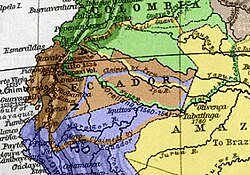
Key Facts
- Combat Dates: July 5, 1941 – July 31, 1941.
- Primary Result: Peruvian victory and occupation of southern Ecuadorian provinces.
- Key Treaty: The Rio de Janeiro Protocol (January 29, 1942).
- Military Milestone: Peru became the first country in the Western Hemisphere to deploy paratroopers in combat.
- Final Resolution: The Brasilia Presidential Act of 1998 ended the century-long dispute.
Historical Background
The roots of the 1941 conflict lay in a lack of clear border definitions and conflicting treaties involving Brazil and Colombia. Earlier clashes occurred in 1828 during the Gran Colombia–Peru War and again between 1857 and 1860.
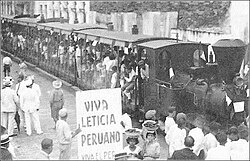
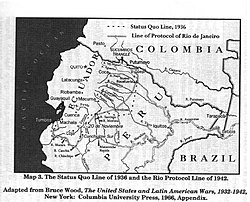
In the early 20th century, tensions flared over the Amazon region, specifically regarding the town of Leticia. This led to a brief war between Colombia and Peru (1932–1933), which was eventually settled by the 1934 Rio Protocol. By 1936, Ecuador and Peru had agreed to a status quo border line, recognizing territories in de facto possession, but this arrangement failed to provide a permanent solution.
Military Strength and Forces
The two nations entered the conflict with vastly different levels of military preparation. Peru had anticipated rising tensions and created the Agrupamiento del Norte (Northern Army Detachment) in December 1940.
Peruvian Forces
The Agrupamiento del Norte consisted of approximately 11,500 to 13,000 men. Their arsenal included:
- 12 Czechoslovak LTP tanks.
- Multiple artillery groups with 105 mm guns.
- The 1st and 8th Light Infantry Divisions.
- A technologically superior air force featuring NA-50 "Toritos" fighters.
Ecuadorian Forces
Ecuador's defenses were more fragmented. Along the Zarumilla River, they deployed the "Cayambe" Battalion and a mix of officers, soldiers, and carabineros (a paramilitary government force). While they had roughly 17,300 total troops across Amazonia and Quito, they lacked the armored and aerial capabilities of the Peruvian military.
The Outbreak of Hostilities
Fighting began on July 5, 1941, though both nations provide conflicting accounts of the first shot. Ecuador claims Peruvian civilians and police crossed the Zarumilla River and fired on a border patrol. Conversely, Peru asserts that Ecuadorian soldiers from Huaquillas attacked a Peruvian Civil Guard patrol in Aguas Verdes.
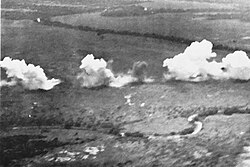
Regardless of the catalyst, the conflict escalated rapidly. By July 6, Peru launched airstrikes against Ecuadorian border posts, prompting Ecuador to form the 5th Infantry Brigade in El Oro to manage the defense.
Major Military Operations
The Zarumilla Offensive
The primary theater of war was the Zarumilla River region. Key engagements included the Battle of Macará (July 25–28), resulting in a Peruvian victory. Another notable event occurred on July 25 in the Chacras sector, where Lieutenant César Edmundo Chiriboga González and 25 soldiers fought to the death rather than surrender.
Yaupi–Santiago Offensive
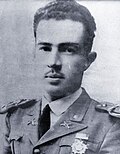
In the jungle regions, Peru pushed toward the Yaupi and Santiago rivers between July 31 and August 11. These operations saw the overrunning of Ecuadorian outposts, including the death of Second Lieutenant Hugo Ortiz Garcés, who refused to surrender his post on the Santiago River.
Air and Naval Campaigns
Peru dominated the skies with NA-50 fighters, while Ecuador relied on a small number of Curtiss-Wright CW-19R Sparrow aircraft and IMAM Ro.37 biplanes in poor condition. Peru conducted strategic bombings of towns such as Machala, Santa Rosa, and Arenillas.
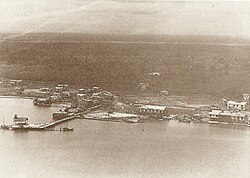
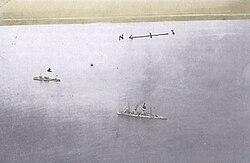
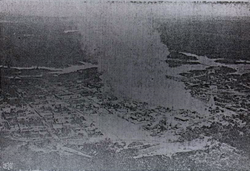
A pivotal moment occurred on July 31 with the capture of Puerto Bolívar. Peru deployed paratroopers dropped from Italian Caproni Ca.111 transports, marking the first combat use of airborne troops in the Western Hemisphere.
Occupation and Peace Treaty
Following the military victory, Peru occupied several southern Ecuadorian provinces. The conflict ended with the signing of the Rio de Janeiro Protocol on January 29, 1942. Under this agreement, Ecuador renounced its claim to a sovereign outlet to the Amazon River.
Peruvian troops withdrew from the province of El Oro on February 12, 1942, allowing the Ecuadorian administration to return and reestablish local security and governance.
Summary of the Conflict
| Feature | Peru | Ecuador |
|---|---|---|
| Key Commander | Gen. Eloy G. Ureta | Col. Luis Rodríguez |
| Estimated Strength | 11,500 – 13,000 (Northern Detachment) | ~17,300 (Total) |
| Key Technology | LTP Tanks, NA-50 Fighters, Paratroopers | CW-19R Sparrow aircraft |
| Casualties | 310 killed & wounded | 3,000+ killed & wounded |
| Outcome | Victory | Defeat / Territorial Loss |
Aftermath and Final Resolution
The 1942 protocol did not fully extinguish the territorial enmity. The two nations clashed again in the Paquisha War of 1981 and the Cenepa War of 1995. The dispute was finally and definitively settled on October 26, 1998, with the signing of the Brasilia Presidential Act.
Frequently Asked Questions
Who won the Ecuadorian–Peruvian War of 1941?
Peru achieved a military victory, resulting in the occupation of southern Ecuadorian provinces and the signing of the Rio de Janeiro Protocol, which favored Peruvian territorial claims.
What was the significance of the Puerto Bolívar operation?
The capture of Puerto Bolívar was historically significant because Peru utilized paratroopers, making it the first country in the Western Hemisphere to deploy airborne troops in a combat operation.
What was the Rio de Janeiro Protocol?
Signed on January 29, 1942, it was the peace treaty that ended the 1941 war. Ecuador officially renounced its claim to a sovereign outlet to the Amazon River, establishing the majority of the border.
When was the border dispute finally resolved?
While the 1942 protocol ended the specific war, the border dispute persisted through several more clashes. It was not fully resolved until the signing of the Brasilia Presidential Act in October 1998.
What were the main causes of the war?
The war was caused by long-standing disagreements over territorial boundaries in the Amazon basin and the failure of previous treaties to be recognized or implemented by both parties.