
Edinburgh Beer History: From Holyrood Abbey to Auld Reekie
Edinburgh boasts perhaps the longest brewing history of any region in Scotland. For centuries, the production of beer has stood as one of the city's oldest and most vital industries, shaping both the local economy and the very atmosphere of the urban landscape.
The Monastic Origins of Brewing
The roots of Edinburgh's brewing tradition stretch back to the 12th century. The monks of Holyrood Abbey were pioneers in the craft, utilizing the area's clear spring water to produce high-quality ale. This early adoption established a foundation for the city's future as a hub for fermentation and distillation.
The Era of Auld Reekie
As the industry expanded, it left a physical mark on the city. Edinburgh earned the nickname "Auld Reekie", a reference to the thick smoke that frequently blanketed the streets. This smog was the direct result of coal and wood-burning furnaces and boilers used in the brewing process.
The density of the city's population and the close proximity of its buildings amplified the visibility of this haze, making the smoke a defining characteristic of the city's environment during its industrial peak.
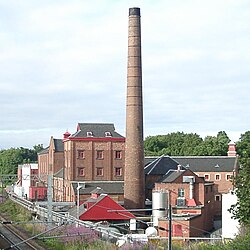
Industrial Growth at the Turn of the Century
By the turn of the 20th century, the scale of the industry had reached a massive peak. At this time, Edinburgh was home to no fewer than thirty-five breweries. These establishments operated extensive maltings—where grains are dried and sprouted—and brewhouses, contributing significantly to the city's industrial output and its famous smoky skyline.
Key Facts
- Origins: Brewing began in the 12th century with the monks of Holyrood Abbey.
- Natural Resources: Clear spring water was essential for early ale production.
- City Nickname: "Auld Reekie" refers to the smoke produced by brewery furnaces and boilers.
- Industrial Scale: There were 35 breweries operating in Edinburgh at the start of the 20th century.
| Period/Feature | Detail |
|---|---|
| Earliest Records | 12th Century (Holyrood Abbey) |
| Primary Fuel Sources | Coal and Wood |
| Peak Brewery Count | 35 (Turn of the 20th Century) |
| Environmental Impact | Heavy smoke/haze (Auld Reekie) |
Frequently Asked Questions
Who started the brewing tradition in Edinburgh?
The brewing tradition was started by the monks of Holyrood Abbey in the 12th century, who used local clear spring water to brew their ale.
Why is Edinburgh called "Auld Reekie"?
The city was nicknamed "Auld Reekie" because of the immense amount of smoke produced by the coal and wood-burning boilers and furnaces used in the brewing industry.
How many breweries were in Edinburgh around 1900?
At the turn of the 20th century, there were thirty-five breweries operating within the city.
What contributed to the visibility of the smoke in the city?
The haze was particularly noticeable due to the high density of the population and the close proximity of the buildings.
What are maltings and brewhouses?
Maltings are facilities where grain is processed to create malt, and brewhouses are the locations where the actual brewing of the beer takes place.