
El Chigüire Bipolar: The Power of Satire in Venezuela
In the landscape of Venezuelan media, El Chigüire Bipolar has emerged as a formidable voice of dissent and humor. Often compared to the American satirical site The Onion, the platform uses irony and wit to navigate the complex political climate of Venezuela, mocking everyone from government leaders to opposition politicians and ordinary citizens.
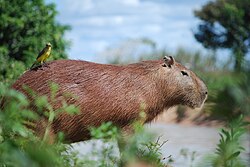
The website's name is derived from the chigüire, the largest rodent in the region, symbolizing a unique blend of local identity and absurdist humor.
Key Facts
- Core Mission: Utilizing satire to criticize authoritarian regimes and bridge gaps created by state censorship.
- Reach: By 2010, the site's viewership surpassed that of major national news outlets.
- Recognition: Recipient of the 2017 Václav Havel Prize for Creative Dissent.
- Multimedia Presence: Co-producer of the comedic TV news show "Weekly Report" since 2014.
A History of Political Satire
El Chigüire Bipolar first gained widespread popularity for its relentless mocking of Hugo Chávez. Its ability to resonate with the public was evident by 2010, when its traffic began to outperform traditional national news organizations. While its primary target was the government, the site maintained a broad satirical lens, ensuring that opposition figures and the general public were also subject to its critique.
Beyond the web, the site's influence extended into education. In 2013, politician Henrique Capriles pointed out that a satirical cover of the newspaper El Nacional—created by El Chigüire Bipolar to represent the 1992 coup attempts led by Chávez—had been included in a high school contemporary history textbook. This textbook, approved by the Education Minister and developed by 26 people, saw a print run of 400,000 copies.
Combatting Censorship and Crisis
As traditional media faced increasing restrictions, the site became a vital alternative. Founder Ravell noted in 2018 that while the humor might not provide "hope" in a traditional sense, it served as a crucial tool to bypass the censorship prevalent on radio and television.
Turning Blackouts into Comedy
The BBC highlighted the site's ability to find comedic potential in national crises, specifically during widespread power outages. While other outlets reported the news and social media users shared memes, El Chigüire Bipolar published fake articles claiming Venezuelans had developed night vision or suggested humorous "government-proposed" daily routines. They also joked that blackouts were a welcome reprieve from cadenas, which are compulsory government broadcasts.
International Recognition
The impact of the site's work was recognized globally in 2017 when it won the Václav Havel Prize for Creative Dissent. The award was presented at the Oslo Freedom Forum, shared with Bahraini poet Ayat Al-Qurmezi and Zimbabwean activist Silvanos Mudzvov. Garry Kasparov, secretary of the Human Rights Foundation, praised the site, stating that its combination of crude humor and rigorous analysis demonstrates the power of satire against authoritarian regimes.
Summary of Influence
| Category | Detail |
|---|---|
| Primary Format | Satirical News Website |
| TV Collaboration | "Weekly Report" with VIVOplay and José Rafael Briceño |
| Major Award | Václav Havel Prize for Creative Dissent (2017) |
| Key Targets | Government, Opposition, and General Society |
Frequently Asked Questions
What is El Chigüire Bipolar?
It is a Venezuelan satirical website similar to The Onion that uses humor to criticize political figures and social norms in Venezuela.
How did the site handle government censorship?
The site's creators viewed their satirical approach as a way to bridge the gap created by censorship on traditional TV and radio platforms.
What is the "Weekly Report"?
Since 2014, El Chigüire Bipolar has co-produced this comedic TV news show with VIVOplay, hosted by José Rafael Briceño.
Why did the site win the Václav Havel Prize?
It was awarded the prize in 2017 for Creative Dissent, recognizing its use of satire and analysis to criticize authoritarianism.
How did the site react to national blackouts?
The site published satirical articles, such as claims that citizens had developed night vision, to find comedic potential in the crisis and mock compulsory government broadcasts.