
French Paradox: Analyzing the Factors Behind Low Heart Disease Rates
The French Paradox refers to the observation that French populations often exhibit lower rates of cardiovascular disease despite a diet traditionally rich in saturated fats. For decades, researchers and nutritionists have sought to identify the specific dietary and lifestyle variables that contribute to this phenomenon, moving from simple explanations to complex, multi-generational theories.
The Role of Red Wine and Resveratrol
One of the most famous hypotheses suggests that the high per capita consumption of red wine in France is a primary driver of the paradox. This theory gained significant global attention following a 1991 broadcast of 60 Minutes, which sparked a surge in North American demand for red wines.
Central to this theory is resveratrol, a polyphenol found in grapes. However, scientific scrutiny has cast doubt on this as a primary cause. A 2003 study concluded that the amount of resveratrol actually absorbed by individuals drinking red wine is too small to realistically explain the lower incidence of heart disease.

Lifestyle and Dietary Factors
Rather than a single "miracle" food, many experts believe the paradox is the result of a combination of lifestyle choices. A 2010 study comparing lifestyles in France and the United States identified three major contributing factors:
- Physical Activity: French citizens tend to engage in brisk walking more frequently than Americans.
- Hydration: There is a higher average intake of water and a lower consumption of sweetened beverages.
- Fresh Produce: A higher average consumption of fresh fruits and vegetables.
Nutritional Habits and Food Quality
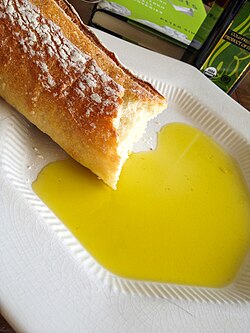
In his 2003 book, The Fat Fallacy: The French Diet Secrets to Permanent Weight Loss, Will Clower suggests that the paradox is rooted in specific eating patterns. He highlights the preference for good fats (dairy and vegetable sources like whole milk, cheeses, and yogurt) over the processed fats common in other diets.
Other key dietary habits include:
- Frequent Fish Consumption: Eating fish at least three times per week.
- Mindful Eating: Consuming smaller portions more slowly, divided into courses to allow for better digestion.
- Low Sugar Intake: Avoiding the high-sugar concentrations often found in "low-fat" or "no-fat" processed foods.
- Reduced Snacking: A low incidence of eating between scheduled meals.
- Avoidance of Processed Foods: Limiting the intake of soda, deep-fried foods, and highly prepared grocery store items.
Clower also notes that while smoking rates are higher in France (35%) compared to the U.S. (25%), this difference is unlikely to account for the disparity in weight and heart health.
The Impact of Early Life Nutrition
A more historical and biological explanation involves epigenetics—the study of how behaviors and environment can cause changes that affect the way genes work. Some researchers point to a government-led nutritional program introduced after the Franco-Prussian War in 1871.
To fortify future generations of soldiers, the French government provided high-quality foods to pregnant women and young children. This aggressive intervention occurred roughly thirty years before a similar initiative in England. It is proposed that these early dietary improvements, exerted across multiple generations, may contribute to the current low rates of obesity and heart disease in France.
Key Facts
- Resveratrol in red wine is considered unlikely to be the sole cause of the paradox due to low absorption rates.
- French diets prioritize whole-fat dairy and vegetable fats over processed, sugar-laden low-fat alternatives.
- Lifestyle factors include more brisk walking and higher water consumption compared to U.S. averages.
- A historical nutritional program from 1871 may have created long-term epigenetic benefits for the population.
- French eating habits emphasize smaller portions, slower pacing, and fewer snacks.
| Category | French Trend | U.S. Trend (Comparison) |
|---|---|---|
| Beverages | Higher water intake; red wine consumption | Higher sweetened drink consumption |
| Activity | Frequent brisk walking | Lower frequency of brisk walking |
| Dietary Fats | Whole milk, cheese, vegetable fats | Processed fats; sugar-heavy "low-fat" foods |
| Eating Habits | Small portions, slow pace, few snacks | Larger portions, more frequent snacking |
| Smoking Rates | Approximately 35% | Approximately 25% |
Frequently Asked Questions
Does drinking red wine prevent heart disease?
While red wine was long suspected of providing protection via resveratrol, research suggests the amount absorbed by the body is too small to be the primary explanation for the French Paradox.
Why do the French eat full-fat dairy instead of low-fat options?
The French tend to avoid processed low-fat and no-fat foods, which often contain high concentrations of added sugar to compensate for flavor, preferring full-fat versions without added sugars.
How does the 1871 nutritional program relate to heart health?
It is suggested that providing high-quality nutrition to pregnant women and children in the late 19th century may have had epigenetic effects, improving the health of subsequent generations.
What are the main lifestyle differences between the French and Americans regarding health?
Key differences include a higher tendency for the French to walk briskly, drink more water, and consume more fresh fruits and vegetables.
Does smoking play a role in the French Paradox?
Although smoking is more prevalent in France (35%) than in the U.S. (25%), experts believe this is not a significant factor in explaining the lower rates of obesity and heart disease.