
Gas-Powered Leaf Blowers: Environmental Risks and Regulatory Bans
While gasoline-powered grounds-keeping equipment is a staple of lawn maintenance, its impact extends far beyond the yard. From the air we breathe to the noise levels in our neighborhoods, these tools present significant environmental and occupational challenges. As awareness grows regarding their health risks, many cities are shifting toward stricter regulations and cleaner alternatives.
Environmental and Health Impacts
The primary concern with gas-powered leaf blowers stems from their two-stroke engines. These engines operate by mixing gasoline with oil; however, approximately one-third of this mixture remains unburned and is released into the atmosphere as an aerosol exhaust. This process releases Non-Methane Hydrocarbons (NMHC), carbon monoxide, nitrogen oxides, and particulates.
The scale of this pollution is substantial. A 2011 study revealed that operating a leaf blower for just 30 minutes emits a volume of NMHC pollutants comparable to a Ford F-150 pickup truck driving from Texas to Alaska. These emissions have been linked to serious health conditions, including asthma, heart disease, and cancer.
Beyond exhaust, the powerful airflow of these machines creates dust clouds that can kick up harmful substances, including pathogens and pesticide residues, posing a respiratory risk to both the operator and bystanders.
Noise Pollution and Occupational Hazards
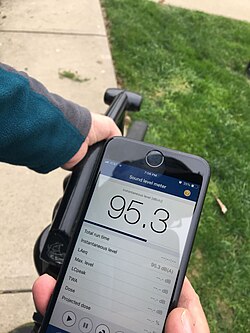
Noise pollution is a critical issue, as leaf blowers often generate sound levels high enough to cause permanent hearing loss. This is a particular concern for the nearly 1 million people employed in lawn service and ground-keeping across the United States.
Research conducted at several public universities in North Carolina highlighted the severity of this risk. The study found that leaf blowers produced average noise levels of 89 decibels (A-weighted), with maximum sound pressure levels reaching 106 dB(A). Both figures significantly exceed the 85 dB(A) Recommended Exposure Limit set by the National Institute for Occupational Safety and Health (NIOSH).
Ecological Considerations and Alternatives
From an ecological perspective, the total removal of leaves can be counterproductive. Leaves provide essential nutrients for the soil and create vital habitats for microorganisms and insects. Maintaining some leaf cover is a simple way to support local biodiversity.
To mitigate these risks, battery-powered leaf blowers have emerged as a viable alternative. These devices produce zero emissions, offer higher efficiency, and are rechargeable, providing a reliable path toward sustainable grounds-keeping.
The Rise of Municipal Bans
Public concern over noise and pollution has led to a wave of legislative action. California was an early adopter of these restrictions, with Carmel-by-the-Sea banning leaf blowers in 1975 and Beverly Hills following in 1978 due to noise nuisances. Currently, twenty California cities have bans in place—often targeting gas-powered equipment in residential areas—while another 80 cities have ordinances restricting noise or usage.
The trend has spread nationwide. Washington, DC, implemented a ban on gas-powered blowers in 2018. More recent and upcoming legislation includes bans in Cambridge, Massachusetts (2025) and Portland, Oregon (2028, with a phase-out starting in 2026). Additionally, a law banning the sale of all gas-powered lawn equipment in California takes effect in 2024.
According to the CoPIRG Foundation, a Colorado-based consumer watchdog, over 160 US cities have banned petrol-powered leaf blowers as of 2025.
Key Facts
- High Emissions: 30 minutes of leaf blower use can emit as many NMHC pollutants as a truck driving from Texas to Alaska.
- Engine Inefficiency: One-third of the gas-oil mixture in two-stroke engines is emitted as unburned aerosol exhaust.
- Hearing Risk: Noise levels can reach 106 dB(A), far exceeding the NIOSH limit of 85 dB(A).
- Widespread Bans: Over 160 US cities have banned petrol-powered leaf blowers as of 2025.
- Eco-Benefit: Leaving leaves on the ground supports soil nutrients and biodiversity.
| Category | Impact/Detail | Reference/Limit |
|---|---|---|
| Air Quality | NMHC, CO, NOx, and Particulates | Comparable to long-distance truck trip |
| Noise Level | 89 dB(A) average / 106 dB(A) max | NIOSH Limit: 85 dB(A) |
| Health Risks | Cancer, heart disease, asthma | Linked to aerosol exhaust |
| Regulation | 160+ US cities with bans | CoPIRG Foundation (2025) |
Frequently Asked Questions
Why are two-stroke engines considered polluting?
Two-stroke engines mix gasoline with oil, and because they are inefficient, about one-third of this mixture is not burned during combustion and is instead released as an aerosol exhaust into the air.
What is the NIOSH recommended noise limit for workers?
The National Institute for Occupational Safety and Health (NIOSH) recommends an exposure limit of 85 dB(A) to prevent occupational hearing loss.
Do leaf blowers affect more than just air and noise quality?
Yes. The powerful airflow can create dust clouds containing pathogens and pesticide residues, which can be harmful when inhaled.
Are there ecological reasons to avoid using leaf blowers?
Yes. Leaves provide essential nutrients for the soil and serve as habitats for insects and microorganisms; leaving them in place supports overall biodiversity.
Which cities or states are leading the ban on gas-powered blowers?
California has been a leader since the 1970s, with many cities banning them and a statewide ban on the sale of gas-powered lawn equipment starting in 2024. Other areas include Washington, DC, Cambridge (MA), and Portland (OR).