
Goalkeeper: The Most Specialized Position in Association Football
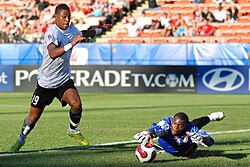
In the world of association football, the goalkeeper (often shortened to "keeper") stands as the most specialized role on the pitch. While other players focus on movement and ball control with their feet, the goalkeeper is the last line of defense, tasked with the singular, high-pressure objective of preventing the opposing team from scoring a goal by stopping the ball from crossing the goal line.
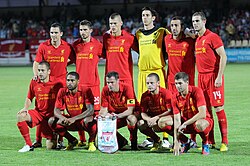
To achieve this, goalkeepers use a combination of positioning, reflexes, and agility to intercept the ball's trajectory, either by catching it or redirecting it away from the danger zone. Because of the unique nature of the role, the goalkeeper is the only player permitted to handle the ball with their hands and arms, provided they are within their own penalty area (the rectangular box surrounding the goal). To ensure officials and players can easily identify them, goalkeepers wear a kit in a different color from both their teammates and the opposition.
Key Facts
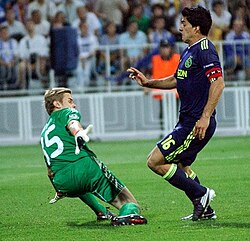
- Unique Privilege: The only player allowed to handle the ball within the penalty area.
- Mandatory Role: Every team must have a designated goalkeeper; if one is sent off or injured, another player must take over.
- Strategic View: Their position provides an unrestricted view of the entire pitch, allowing them to direct defensive strategy.
- Record Holder: Kepa Arrizabalaga is the most expensive goalkeeper in history (€80 million).
- Goalscoring: Rogério Ceni holds the record for the most career goals scored by a goalkeeper (132).
The Evolution of the Role
Early History and Rule Changes
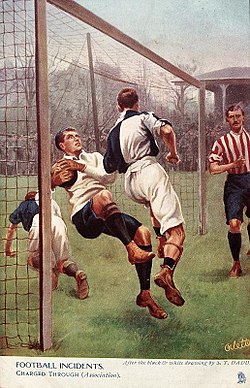
The position has evolved significantly since the inception of the sport. The FA's first Laws of the Game in 1863 did not have a specific goalkeeper role; any player could catch or knock on the ball. By 1870, handling the ball was forbidden for everyone, but this was amended in 1871 to introduce the goalkeeper, who was granted the right to handle the ball specifically for the protection of the goal.
Modern Tactical Responsibilities
Beyond shot-stopping, modern keepers are integral to a team's build-up play. They are responsible for performing goal kicks and organizing the defense during set-pieces, such as corner kicks and free kicks. A critical regulation is the back-pass rule, which prevents goalkeepers from handling passes intentionally played back to them by their own teammates.
The Sweeper-Keeper and Playmaking
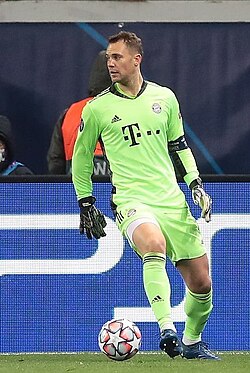
The traditional role of staying on the goal line has shifted toward the "sweeper-keeper" style. A sweeper-keeper acts as an additional defender, venturing far from the goal to intercept long balls and initiate attacks. Manuel Neuer is a primary example of this modern evolution.
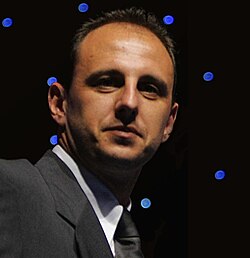
Some keepers have even become offensive threats. Expert set-piece takers like René Higuita, Jorge Campos, and José Luis Chilavert have famously taken penalties and free kicks. Rogério Ceni took this to the extreme, scoring 132 goals during his career with São Paulo between 1992 and 2015.
Elite Performance and Records
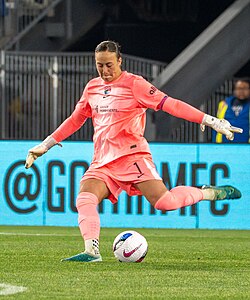
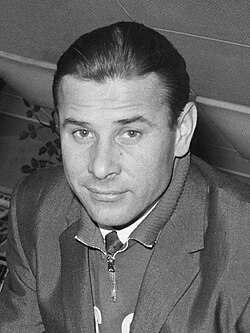
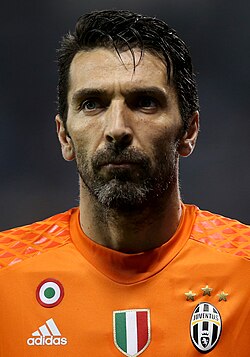
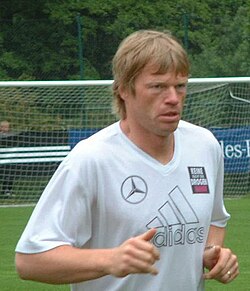
The prestige of the position is reflected in its most decorated athletes. Lev Yashin remains the only goalkeeper to ever win the Ballon d'Or, while Oliver Kahn is the only one to receive the FIFA World Cup Golden Ball. Gianluigi Buffon holds the distinction of being the only goalkeeper to win the UEFA Club Footballer of the Year Award.
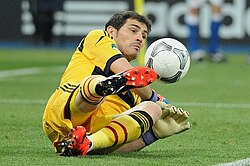
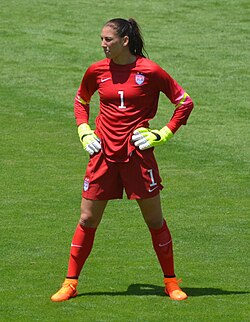
Consistency is often measured by "clean sheets" (matches where no goals are conceded). Iker Casillas and Hope Solo share the record for the most international clean sheets, with 102 each.
Market Value and Transfers
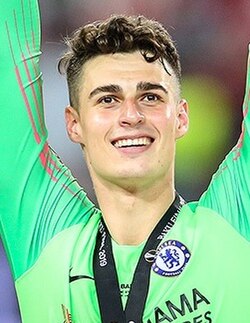
Historically, goalkeepers commanded lower transfer fees than outfield players. However, this changed in the 21st century. The market peaked in 2018 when Kepa Arrizabalaga moved from Athletic Bilbao to Chelsea for a record-breaking €80 million.
| Rank | Player | From | To | Fee (€) | Year |
|---|---|---|---|---|---|
| 1 | Kepa Arrizabalaga | Athletic Bilbao | Chelsea | €80m | 2018 |
| 2 | Alisson | Roma | Liverpool | €72.5m | 2018 |
| 3 | André Onana | Internazionale | Manchester United | €52.5m | 2023 |
| 4 | Gianluigi Buffon | Parma | Juventus | €51.646m | 2001 |
| 5 | Ederson | Benfica | Manchester City | €40m | 2017 |
| 6 | Thibaut Courtois | Chelsea | Real Madrid | €35m | 2018 |
| 7 | Jasper Cillessen | Barcelona | Valencia | €35m | 2019 |
| 8 | Jordan Pickford | Sunderland | Everton | £25m | 2017 |
| 9 | Francesco Toldo | Fiorentina | Internazionale | €28.405m | 2001 |
| 10 | Aaron Ramsdale | Sheffield United | Arsenal | €28m | 2021 |
Frequently Asked Questions
Can a team play without a goalkeeper?
No. The goalkeeper is the only mandatory position on a team. If the goalkeeper is injured or sent off, another player must take their place in goal.
What is the back-pass rule?
The back-pass rule is a regulation that prohibits goalkeepers from handling the ball when it is intentionally passed back to them by a teammate.
Who is the highest-scoring goalkeeper in history?
Rogério Ceni is the highest-scoring goalkeeper of all time, having scored 132 goals during his professional career.
What defines a "sweeper-keeper"?
A sweeper-keeper is a modern style of goalkeeping where the player plays higher up the pitch, acting as an extra defender to intercept balls and helping the team transition into attack.
Who holds the record for the most expensive goalkeeper transfer?
Kepa Arrizabalaga holds the record, transferring from Athletic Bilbao to Chelsea for €80 million in 2018.