
Harry Gregg: The Hero of Munich and Manchester United Legend
Harry Gregg is remembered not only as a formidable goalkeeper but as a symbol of extraordinary courage and humanity. Born in Tobermore, County Londonderry, to William and Isobel Gregg, he grew up in Coleraine while training as an apprentice joiner. His journey into professional football began with Windsor Park Swifts, the reserve team for Linfield, before he joined his local side, Coleraine.
At 18, Gregg made the leap to English football by signing with Doncaster Rovers. His talent quickly caught the eye of the biggest clubs in the land, leading to a high-profile transfer to Manchester United in December 1957. United paid £23,500 for his services, which established a world-record transfer fee for a goalkeeper at the time.
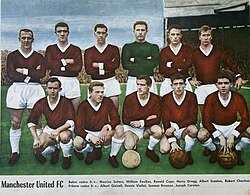
The Hero of Munich
Harry Gregg is most famously known as "The Hero of Munich" due to his selfless actions following the Munich air disaster. In the chaotic aftermath of the crash, Gregg risked his own life to pull teammates and strangers from the burning wreckage of the aircraft.
Among those he rescued were teammates Bobby Charlton, Jackie Blanchflower, and Dennis Viollet, as well as his severely injured manager, Matt Busby. His bravery extended beyond the team; he also saved Vera Lukić, the pregnant wife of a Yugoslav diplomat, and her two-year-old daughter, Vesna. George Best, who had previously cleaned Gregg's boots, later remarked that Gregg's actions went beyond bravery, describing them as an act of "goodness."
Career at Manchester United
Despite the immense trauma of the disaster, Gregg returned to the pitch for United's first match following the tragedy, a FA Cup fifth-round tie against Sheffield Wednesday. United secured a 3–0 victory and eventually reached the 1958 FA Cup Final. Although they lost 2–0 to Bolton Wanderers, the match is remembered for a controversial second goal where Nat Lofthouse barged Gregg, and the ball, into the net.
While United remained a powerhouse, Gregg's own pursuit of silverware was hampered by misfortune. He missed the 1963 FA Cup Final victory due to a shoulder injury. Later, a series of injuries prevented him from playing enough matches to qualify for a league championship medal during the 1964–65 season. By the time United won the title in the 1966–67 campaign, Gregg had already been sold during the first half of the season.
Over the course of his tenure at Old Trafford, Gregg made 247 appearances and recorded 48 clean sheets.
Final Years and Retirement
In December 1966, Gregg transferred to Stoke City. His time there was brief and varied; he conceded four goals in a 4–2 loss to Leicester City in his debut, but followed it up with a clean sheet in a 2–0 win over Blackpool. He officially retired from professional football at the conclusion of the 1966–67 season.
Key Facts
- World Record: Joined Manchester United for £23,500, a record fee for a goalkeeper in 1957.
- Munich Rescue: Saved teammates Bobby Charlton, Jackie Blanchflower, Dennis Viollet, and manager Matt Busby.
- Civilians Saved: Rescued Vera Lukić and her daughter Vesna from the plane wreckage.
- United Stats: 247 appearances and 48 clean sheets.
- Final Club: Retired after a short stint with Stoke City in 1967.
| Club | Key Milestone/Stat | Notable Event |
|---|---|---|
| Coleraine / Windsor Park Swifts | Early Career | Started as an apprentice joiner |
| Doncaster Rovers | Professional Move | Moved to England at age 18 |
| Manchester United | 247 Apps / 48 Clean Sheets | The Munich air disaster rescue |
| Stoke City | 2 Appearances | Retired end of 1966–67 season |
Frequently Asked Questions
Why is Harry Gregg called the "Hero of Munich"?
He earned this title for his bravery in rescuing teammates, including Bobby Charlton and Matt Busby, as well as civilians, from the burning plane after the Munich air disaster.
Was Harry Gregg the most expensive goalkeeper of his time?
Yes, when he transferred to Manchester United in December 1957 for £23,500, it was a world-record fee for a goalkeeper.
Did Harry Gregg win any major trophies with Manchester United?
Despite playing during a successful era, he did not earn a winners' medal. Injuries ruled him out of the 1963 FA Cup Final and prevented him from qualifying for the 1964–65 league medal.
What happened in the 1958 FA Cup Final regarding Harry Gregg?
United lost 2–0 to Bolton Wanderers. The second goal was controversial because Nat Lofthouse pushed Gregg into the goal along with the ball.
Which club did Harry Gregg play for before retiring?
Harry Gregg played for Stoke City, where he made two appearances before retiring at the end of the 1966–67 season.