
Haute Cuisine: The Evolution of French High Gastronomy
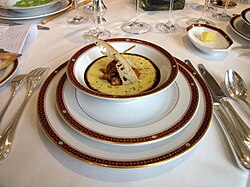
Haute cuisine, literally "high cooking," represents the pinnacle of culinary art. It is characterized by the meticulous preparation of food using both standard and premium ingredients, crafted by specialized chefs for clients with the financial means to afford such luxury. More than just a meal, haute cuisine evolved as a symbol of status for the monarchy and the bourgeoisie, blending exotic flavors with presentations that often resembled architectural wonders.
Unlike standard French cooking, haute cuisine distinguished itself through the acquisition of rare ingredients—such as fruits obtained out of season—and the use of components not typically found within France. This pursuit of excellence transformed eating into a sophisticated experience of opulence and precision.
The Architecture of the Kitchen
The birth of haute cuisine was inextricably linked to the professionalization of the kitchen. At the turn of the 20th century, August Escoffier revolutionized the industry by organizing kitchen staff into the brigade de cuisine, a hierarchical system of specialized roles. This structure was essential to manage the extravagant presentations and complex techniques that defined the era.
Because these kitchens required significant investments in equipment, time, and high-cost ingredients, early haute cuisine remained accessible only to a small demographic of the rich and powerful. The presence of a professional, trained chef was the primary differentiator between this high art and regular French home cooking.
Historical Influences and Key Figures
Historically served in the grand hotels and restaurants of Europe, haute cuisine is known for its rich, opulent profile. This includes decadent sauces based on butter, cream, and flour—foundations that continue to influence French sauces today. The evolution of this style was shaped by several pivotal figures:
- La Varenne (1615–1678): A 17th-century chef and writer who shifted culinary practices away from Middle Ages traditions toward lighter dishes and more modest presentations.
- Antonin Carême (1784–1833): A master who simplified and codified the previously over-complex cuisine, publishing influential works that structured the discipline.
- Jassinton Rozea (1721–1783): A French master chef who brought haute cuisine to Britain. He served the 6th Duke of Somerset and other nobility in London and Edinburgh, authoring The Gift of Comus (1752) and The Compleat Cook, Market Woman & Dairy Maid (1756).
While popular myths suggest that Catherine de' Medici introduced Italian food to the French court to create haute cuisine, historical evidence contradicts this claim.
Key Facts
- Definition: High-end cooking using premium ingredients and specialized professional chefs.
- Organization: August Escoffier established the brigade de cuisine to manage complex kitchen operations.
- Characteristics: Small, multiple courses with rich sauces based on butter, cream, and flour.
- Accessibility: Historically limited to the monarchy, bourgeoisie, and European aristocrats due to high costs.
- Global Reach: Influenced British fine dining through chefs like Jassinton Rozea.
| Figure | Era/Dates | Primary Contribution |
|---|---|---|
| La Varenne | 1615–1678 | Moved away from Middle Ages style toward lighter dishes. |
| Jassinton Rozea | 1721–1783 | Spread French traditions to British aristocracy and authored culinary books. |
| Antonin Carême | 1784–1833 | Simplified and codified complex culinary systems. |
| August Escoffier | Turn of 20th Century | Created the brigade de cuisine organizational system. |
Frequently Asked Questions
What is the main difference between haute cuisine and regular French cuisine?
Haute cuisine differs through its use of premium or out-of-season ingredients, its reliance on a professional hierarchical kitchen staff, and its focus on elaborate, architectural presentations and complex techniques.
What is the brigade de cuisine?
The brigade de cuisine is a system of kitchen organization established by August Escoffier that assigns specific roles and a hierarchy to staff to ensure the efficient execution of complex dishes.
Who were the most influential figures in the development of haute cuisine?
Key figures include La Varenne, who introduced lighter dishes; Antonin Carême, who codified the cuisine; August Escoffier, who organized the kitchen; and Jassinton Rozea, who promoted the style among the British elite.
Did Catherine de' Medici start haute cuisine?
No. Contrary to popular belief, Catherine de' Medici did not introduce Italian food to the French court as the catalyst for the creation of haute cuisine.
What are the typical characteristics of haute cuisine sauces?
Traditional haute cuisine sauces are rich and opulent, typically utilizing a base of butter, cream, and flour.