
Hoard Classification: Understanding Ancient Buried Treasures
When we think of buried treasure, we often imagine chests of gold hidden by pirates. However, in archaeology, a hoard is a more complex phenomenon. These deposits—which can consist of precious metals, coinage, tools, and occasionally pottery or glass vessels—provide invaluable insights into the economic, social, and spiritual lives of past civilizations.
While many hoards were buried with the intent of recovery, others were left as permanent offerings. By classifying these finds, historians can determine whether a collection represents a personal safety measure, a business inventory, or a sacred ritual.
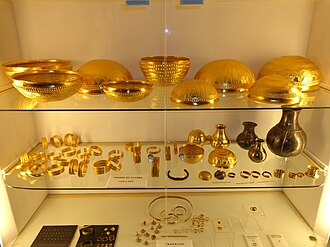
Key Facts
- Hoards typically consist of precious metals and coins, but can include tools, glass, and pottery.
- Most hoard types (founder, merchant, personal, and loot) were buried with the intention of being retrieved.
- Votive hoards are unique because they are intended for permanent abandonment.
- Votive deposits often include organic materials, such as animal remains or amulets.
- The location of a hoard—such as near water or boundaries—often helps determine its purpose.
Types of Recoverable Hoards
The majority of hoards were created as a means of safeguarding wealth or materials during times of instability. These are generally categorized by the identity of the person who buried them and the nature of the items found.
Founder's Hoards
A founder's hoard is essentially a prehistoric or ancient workshop's inventory. These deposits contain ingots (blocks of raw metal), casting waste, and broken or unfit metal objects. While they often include finished pieces, the presence of scrap suggests they were buried by a smith to be recovered and melted down for future use.
Merchant's Hoards
These collections consist of various functional items. It is conjectured that traveling merchants buried these goods for safety while on the move, intending to retrieve their stock once the danger had passed.
Personal Hoards
A personal hoard is a collection of an individual's most prized possessions. These were typically buried during periods of unrest or conflict to prevent theft or loss.
Hoards of Loot
Closest to the popular image of "buried treasure," a hoard of loot consists of spoils taken during raiding. These were buried by the victors to secure their stolen wealth.
Votive Hoards and Ritual Deposits
Unlike the categories mentioned above, votive hoards are not intended for recovery. These are purposeful depositions made for ritual reasons, representing a permanent abandonment of the items to a deity or spiritual force.
Votive deposits differ from functional hoards in several key ways:
- Composition: They may include non-manufactured goods, such as animal remains or organic amulets.
- Location: They are frequently found in specific symbolic locations, such as burial mounds, boundaries, or watery places.
- Treatment: The items may be placed with extreme care or, conversely, ritually destroyed or broken before being deposited.
It is important to note that items dedicated to a deity were not always abandoned in the earth. Valuables given to a church or temple become the property of that institution and may be used for its benefit, though they remain "votive" in nature.
Summary of Hoard Classifications
| Hoard Type | Primary Contents | Intent | Key Characteristic |
|---|---|---|---|
| Founder's | Ingots, scrap, finished metal | Recovery | Contains casting waste |
| Merchant's | Various functional items | Recovery | Diverse trade goods |
| Personal | Personal valuables | Recovery | Buried during unrest |
| Loot | Spoils of raiding | Recovery | Stolen wealth |
| Votive | Artifacts, bones, amulets | Permanent Abandonment | Ritual/Sacred placement |
Frequently Asked Questions
What is the main difference between a personal hoard and a votive hoard?
The primary difference is intent. A personal hoard is buried for safety with the expectation that the owner will return for it, whereas a votive hoard is a ritual offering intended to be permanently abandoned.
Can a votive hoard contain things other than gold or jewelry?
Yes. Votive hoards can include organic materials, such as animal remains and amulets, which are rarely found in functional or commercial hoards.
Where are votive hoards typically found?
They are often associated with specific landscape features, including watery locations, boundaries, and burial mounds.
What is a founder's hoard?
A founder's hoard is a collection of metalworking materials, including raw ingots and casting waste, buried by a smith for later use.
Are all items given to a temple considered permanently abandoned?
No. While they are classified as votive, objects given to a church or temple become the property of that institution and may be used for its benefit rather than being buried.