
Ingrain Wallpaper: History, Composition, and Regional Usage
When it comes to interior wall coverings, few materials are as polarizing as ingrain wallpaper. Also known as wood-chip wallpaper, this textured material has played a significant role in the architectural aesthetics of Europe for over a century, serving as both a decorative element and a practical solution for wall maintenance.
What is Ingrain Wallpaper?
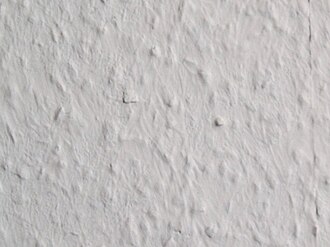
Ingrain wallpaper is a specialized decorating material characterized by its unique layered construction. It consists of two layers of paper with wood fibre sandwiched in between. The visual and tactile variety of this wallpaper is determined by the size and form of the fibre pieces used in the middle layer, which creates a distinct textured effect on the wall surface.
The Origins and Evolution of Wood-Chip Paper
The material was invented in 1864 by Hugo Erfurt, a German pharmacist. It was brought to market through the company founded by his grandfather. Interestingly, ingrain wallpaper was not initially intended for residential interiors; it was first utilized as a decoration for shop windows. It wasn't until the 1920s that the material began to see widespread adoption as a standard interior wallpaper.
Regional Popularity and Cultural Perceptions
The adoption and longevity of ingrain wallpaper vary significantly by geography, reflecting different cultural attitudes toward home maintenance and style.
Continental Europe
In Germany and neighboring continental European countries, ingrain wallpaper remains highly popular. It is specifically valued for its functional ability to hide small dents and scuff marks on walls. Because of this durability, homeowners in these regions often choose to retain the wallpaper during renovations, simply applying a fresh coat of paint over the existing texture.
The United Kingdom and Ireland
Ingrain wallpaper became commonplace in the UK and Ireland starting in the 1960s. However, in recent decades, it has fallen out of favor. It is rarely found in new constructions or modern redecorations, as it is now often viewed as an outdated design choice.
North America
Unlike its prevalence in Europe, ingrain wallpaper never gained significant traction in most other English-speaking regions, particularly in the United States.
The Challenge of Removal
One of the most discussed aspects of ingrain wallpaper is the difficulty of its removal. This is especially true when the wallpaper has been painted over multiple times over several years. In the UK and Ireland, the combination of ingrain wallpaper and popcorn ceilings (a textured ceiling finish) became a symbol of old-fashioned interiors. Consequently, those flipping houses in these markets routinely remove both to modernize the space.
Key Facts
- Inventor: Hugo Erfurt, a German pharmacist.
- Invention Date: 1864.
- Composition: Two layers of paper with an internal layer of wood fibre.
- Primary Use: Originally for shop windows; transitioned to interior walls in the 1920s.
- Main Advantage: Effectively conceals wall imperfections, dents, and scuffs.
- Main Disadvantage: Can become extremely difficult to remove after multiple paint applications.
| Region | Popularity Level | Common Perception/Use |
|---|---|---|
| Germany & Continental Europe | High | Valued for hiding wall damage; often repainted. |
| UK & Ireland | Declining | Seen as old-fashioned; frequently removed during flips. |
| North America | Low | Never achieved major market penetration. |
Frequently Asked Questions
What exactly is ingrain wallpaper made of?
It is composed of two outer layers of paper with wood fibre pieces embedded between them.
Who invented ingrain wallpaper and when?
It was invented in 1864 by Hugo Erfurt, a pharmacist from Germany.
Why is it still popular in Germany?
It is favored in Germany because the textured surface is excellent at hiding scuff marks and small dents in the wall.
Is ingrain wallpaper easy to remove?
It can be very difficult to remove, particularly if several layers of paint have been applied over the wallpaper over time.
Was it always used for interior walls?
No, it was first used as a decoration for shop windows before becoming a common interior wallpaper in the 1920s.