
Italian Army: History, Structure, and Modern Capabilities
The Italian Army (Esercito Italiano) is the land warfare branch of the Italian Armed Forces. Founded on June 18, 1946, the army serves as the primary guardian of Italy's territorial integrity and a key contributor to international security. With a force of approximately 98,310 personnel as of 2024, the army operates under the motto "Salus Rei Publicae Suprema Lex Esto", meaning "The safeguard of the republic shall be the supreme law."
From its roots in the World Wars to its current role within NATO, the Italian Army has undergone numerous transformations to adapt to the evolving nature of global conflict, transitioning from a massive conscript-based force to a streamlined, professional military.
Key Facts
- Founded: June 18, 1946.
- Headquarters: Rome, Italy.
- Personnel: 98,310 (2024).
- Chief of Staff: Generale di Corpo d'Armata Carmine Masiello.
- Key Anniversaries: Army Day (May 4) and National Unity and Armed Forces Day (November 4).
- Major Operations: Iraq War and War in Afghanistan.
Historical Evolution and Cold War Era
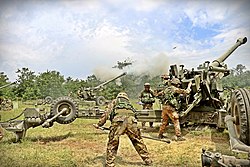
Following World War II, the Italian Army was reorganized to meet the challenges of the Cold War. During the late 1940s and early 1950s, the army established several key divisions, including the Ariete and Centauro Armored Divisions, as well as specialized Alpine Brigades such as Julia, Taurinense, and Tridentina to defend the mountainous northern borders.

The 1960s saw a shift toward brigade-level organization, and the 1st Paratroopers Brigade was eventually renamed the Paratroopers Brigade "Folgore". By 1972, the Third Army and VI Army Corps were disbanded as tensions with Yugoslavia eased, with functions transferring to NATO's Allied Forces Southern Europe.

The 1975 Reform
A pivotal reorganization occurred in 1975, which abolished the regimental level of command. Battalions were placed under the direct control of multi-arms brigades. This shift was accompanied by a reduction in mandatory military service, leading to a force reduction of nearly 45,000 troops. This era saw the creation of mechanized and motorized brigades, such as the Mechanized Brigade "Gorizia" and Mechanized Brigade "Isonzo".
Post-Cold War Modernization
The end of the Cold War triggered a series of reforms (1991, 1997, 2002, and 2011) aimed at professionalization and flexibility. A major milestone was the abolition of obligatory military service, which led to the disbandment of several units, including the "Centauro" and "Tridentina" brigades in 2002.
In 2000, the COMFOP (Operational Land Forces Command) evolved into the NATO Rapid Deployable Corps Italy (NRDC-IT), signaling Italy's commitment to rapid-response multinational operations.

Recent Structural Changes
Between 2013 and 2023, the army continued to refine its structure. This included the transformation of the Mechanized Brigade "Pinerolo" and the reactivation of the 2nd Regiment "Granatieri di Sardegna" in 2022 as a light infantry regiment, with plans to upgrade to heavy equipment.
Organizational Structure and Units
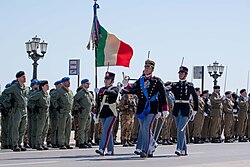
The modern Italian Army is organized into several higher commands, including the Operational Land Forces Command, the Alpine Troops Command, and the Army Special Forces Command. The basic operational unit is the brigade, which typically consists of a headquarters, a tactical support battalion, a cavalry regiment, an artillery regiment, an engineer regiment, and a logistic regiment.
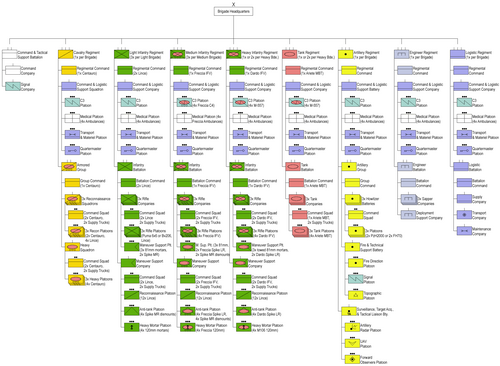
Maneuver Regiments
- Light Infantry: Includes Alpini (mountain troops), Lagunari (amphibious), and Paratroopers.
- Medium Infantry: Equipped with Dardo IFVs (Infantry Fighting Vehicles) and Spike LR missiles.
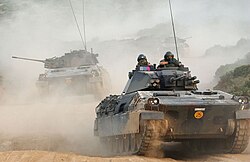
- Tank Regiments: Utilizing the Ariete main battle tank.
Specialized Forces
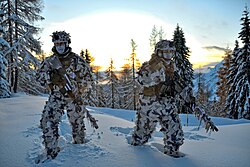
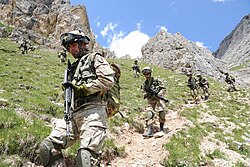
The Alpini are the army's elite mountain infantry, specialized in high-altitude warfare. They are supported by mountain artillery and specialized winter equipment.
Equipment and Personnel
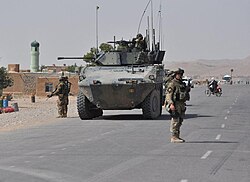
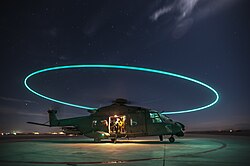
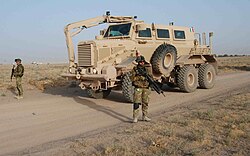
The Italian Army employs a mix of domestic and international hardware. Key assets include the Ariete tank, the Centauro (being replaced by Centauro II) armored cavalry vehicle, and the PzH2000 self-propelled howitzer. Aviation support is provided by the Army Aviation Command, utilizing NH90 and CH-47 Chinook helicopters.
| Unit Type | Quantity | Primary Equipment |
|---|---|---|
| Tank Battalions | 19 | Leopard 1 A2, M60A1 |
| Mechanized Infantry | 35 | M113 APC |
| Alpini (Mountain) | 13 | Specialized Mountain Gear |
| Paratroopers | 5 | Airborne Equipment |
| Self-Propelled Artillery | 11 | M109 Howitzers |
Rank Structure
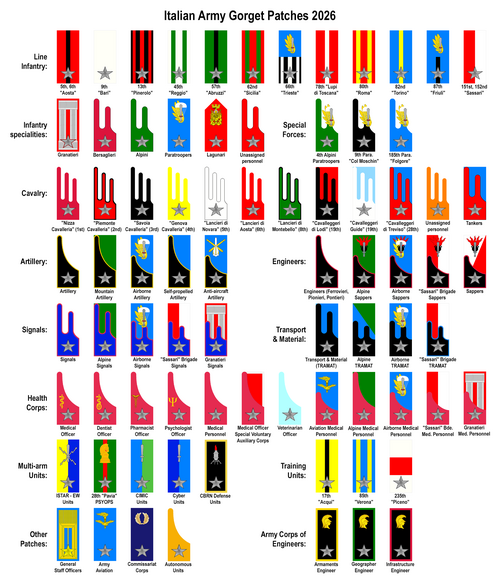
The army follows a standardized NATO rank system. Commissioned officers range from Sottotenente (Second Lieutenant, OF-1) up to Generale (General, OF-10). Other ranks range from Soldato (Private, OR-1) to Maresciallo capo (Chief Warrant Officer, OR-9).
Frequently Asked Questions
When was the Italian Army founded?
The Italian Army was officially founded on June 18, 1946.
What are the Alpini?
The Alpini are specialized mountain infantry units trained for combat in rugged, high-altitude terrain, primarily in the Alps.
What is the role of the NRDC-IT?
The NATO Rapid Deployable Corps Italy (NRDC-IT) is a high-readiness headquarters capable of commanding multinational forces for NATO operations.
What is the current size of the Italian Army?
As of 2024, the Italian Army consists of approximately 98,310 personnel.
Which main battle tank does the Italian Army use?
The Italian Army utilizes the Ariete main battle tank for its tank regiments.