
Jutland's Medieval Administrative Divisions
The historical landscape of Jutland was organized through a sophisticated hierarchical system of administration. To manage the land and its people, the region was divided into larger districts known as sysler, which were further subdivided into smaller local units called herreder (commonly referred to in English as hundreds). These divisions served as the primary framework for legal, military, and civil governance in medieval Denmark.
Understanding these divisions provides a window into how the Danish state structured its territory, ensuring that local administration remained accessible while maintaining a centralized regional oversight through the syssel system.
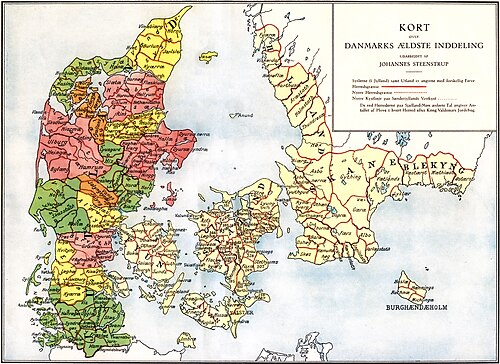
Key Facts
- Sysler were the primary large-scale administrative districts of Jutland.
- Herreder (hundreds) were the smaller subdivisions within each syssel.
- The system covered a vast array of territories, from the northern reaches of Vendsyssel to the southern borders of Istedsyssel.
- Some sysler, such as Åbosyssel, were significantly more fragmented into herreder than others, such as Hansyssel.
The Sysler and Herreder of Jutland
The distribution of herreder varied greatly across the different sysler, reflecting the geography and population density of the time. Below is the detailed breakdown of these administrative units.
Northern and Central Districts
In the north, Vendsyssel comprised the herreder of Horns, Vennebjerg, Børglum, Jerslev, Hvetbo, and Kær. Nearby Thysyssel included Hillerslev, Hundborg, Hassing, and Refs. Further south, Sallingsyssel was divided into Morsø Nørre, Morsø Sønder, Salling Nørre, Harre, Rødding, Hindborg, and Fjends.
The central regions included Himmersyssel, which contained Slet, Hornum, Fleskum, Års, Hellum, Gislum, Hindsted, and Rinds. Ommersyssel consisted of Nørlyng, Sønderlyng, Middelsom, Onsild, Nørhald, Gerlev, and Støvring, while Hardsyssel included Vandfuld, Skodborg, Hjerm, Ginding, Ulfborg, Hammerum, Hind, and Bølling.
Eastern and Southern Districts
Åbosyssel was one of the most complex divisions, featuring Houlbjerg, Galten, Sønderhald, Rougsø, Djurs Nørre, Djurs Sønder, Mols, Øster Lisbjerg, Vester Lisbjerg, Sabro, Gjern, Hjelmslev, Framlev, Hasle, and Ning. Loversyssel included Lysgård, Hids, Vrads, Tyrsting, Nim, Hatting, Bjerre, Voer, and Hads.
Smaller or more specialized districts included Hansyssel, which consisted solely of Hanherred, and Jellingsyssel, which contained Nørvang and Tørrild. Vardesyssel was divided into Vester Horne, Nørre Horne, Øster Horne, Skast, Gørding, and Malt.
The southernmost regions were managed via Almindsyssel (Jerlev, Andst, Brusk, Holmans, and Elbo), Barvidsyssel (Tyrstrup, the eastern half of Gram, Rangstrup, and Haderslev), Ellumsyssel (Hviding, Højer, Lø, Kær, Slogs, Rise, Lundtoft, Sundeved, and a small part of eastern Søndre Rangstrup), and Istedsyssel (Nørre & Sønder Gøs, Vis, Ugle, Husby, Ny, Strukstrup, Slis, and Arns).
Summary of Administrative Divisions
| Syssel | Associated Herreder (Hundreds) |
|---|---|
| Vendsyssel | Horns, Vennebjerg, Børglum, Jerslev, Hvetbo, Kær |
| Thysyssel | Hillerslev, Hundborg, Hassing, Refs |
| Sallingsyssel | Morsø Nørre, Morsø Sønder, Salling Nørre, Harre, Rødding, Hindborg, Fjends |
| Himmersyssel | Slet, Hornum, Fleskum, Års, Hellum, Gislum, Hindsted, Rinds |
| Ommersyssel | Nørlyng, Sønderlyng, Middelsom, Onsild, Nørhald, Gerlev, Støvring |
| Hardsyssel | Vandfuld, Skodborg, Hjerm, Ginding, Ulfborg, Hammerum, Hind, Bølling |
| Åbosyssel | Houlbjerg, Galten, Sønderhald, Rougsø, Djurs Nørre, Djurs Sønder, Mols, Øster Lisbjerg, Vester Lisbjerg, Sabro, Gjern, Hjelmslev, Framlev, Hasle, Ning |
| Loversyssel | Lysgård, Hids, Vrads, Tyrsting, Nim, Hatting, Bjerre, Voer, Hads |
| Hansyssel | Hanherred |
| Vardesyssel | Vester Horne, Nørre Horne, Øster Horne, Skast, Gørding, Malt |
| Jellingsyssel | Nørvang, Tørrild |
| Almindsyssel | Jerlev, Andst, Brusk, Holmans, Elbo |
| Barvidsyssel | Tyrstrup, Gram (east), Rangstrup, Haderslev |
| Ellumsyssel | Hviding, Højer, Lø, Kær, Slogs, Rise, Lundtoft, Sundeved, Søndre Rangstrup (part) |
| Istedsyssel | Nørre & Sønder Gøs, Vis, Ugle, Husby, Ny, Strukstrup, Slis, Arns |
Frequently Asked Questions
What is a syssel?
A syssel was a large administrative district used in medieval Denmark, specifically within the region of Jutland, to organize governance and land management.
What is a herred?
A herred, often translated as a "hundred," was a smaller local administrative subdivision located within a syssel.
Which syssel had the most herreder?
Based on the records, Åbosyssel was the most extensively divided, containing 15 different herreder.
Which syssel was the smallest in terms of subdivisions?
Hansyssel was the most streamlined, consisting of only a single herred: Hanherred.
How were the southern borders of Jutland organized?
The southern regions were divided into sysler such as Almindsyssel, Barvidsyssel, Ellumsyssel, and Istedsyssel, each with its own set of local herreder.