
Kibbeh Safarjaliyeh: The Traditional Quince and Meat Stew of Aleppo
In the rich tapestry of Syrian gastronomy, few dishes capture the sophisticated balance of flavors as elegantly as Kibbeh Safarjaliyeh (also known as kibbeh bi'safarjaliyeh). This exquisite dish is a celebration of the culinary heritage of Aleppo, blending savory meats with the tart, aromatic notes of quince and pomegranate.
At its core, the dish is a variation of kibbeh, a staple of Levantine cuisine. While kibbeh is found throughout the region, the Safarjaliyeh version is a specialized stew where kibbeh balls and chunks of meat are simmered in a complex, tangy broth.
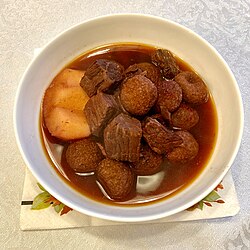
Key Facts
- Origin: An authentic dish from Aleppo, Syria.
- Primary Ingredients: Kibbeh, lamb or beef, quince, pomegranate juice, and pomegranate molasses.
- Flavor Profile: A distinct blend of sour and savory.
- Seasonality: Typically served during fall and winter.
- Serving Style: Usually served warm as an appetizer or first course.
The Culinary Heart of Aleppo
Aleppo is renowned for its diverse interpretations of kibbeh, with some menus featuring as many as 17 different varieties. These variations often incorporate ingredients like rice, pistachios, and pine nuts. Kibbeh Safarjaliyeh is a prime example of the city's penchant for mixing sour and savory elements.
While many Aleppine dishes have spread across the Levant, Safarjaliyeh has remained largely local to Aleppo, preserving its status as a regional specialty.
Ingredients and Preparation
The Components of the Dish
The dish consists of two primary elements: the kibbeh and the broth. The kibbeh is crafted by pounding bulgur wheat (cracked wheat) with ground meat into a smooth paste. This mixture is then shaped into balls and stuffed with a filling of butter and spices.
The broth, known as safarjaliyeh, is a fragrant liquid composed of beef broth, pomegranate juice, pomegranate molasses, and pieces of quince.
The Cooking Process
- The stuffed kibbeh balls are first boiled.
- They are then added to a simmering pot containing the beef broth, pomegranate juice, meat chunks (lamb or beef), and quince.
- The ingredients are simmered together until the flavors meld and the meat is tender.
Etymology and Seasonality
The name of the dish is derived from the Arabic word Safarjal, which means quince. Quince is a golden yellow pome fruit that provides the essential tartness and texture to the stew.
Because quince is a seasonal fruit, Kibbeh Safarjaliyeh is primarily prepared during the autumn and winter months. Its inherent warmth and hearty ingredients make it an ideal comfort food for colder weather.
| Feature | Details |
|---|---|
| Regional Origin | Aleppo, Syria |
| Main Protein | Lamb or Beef |
| Key Fruit | Quince (Safarjal) |
| Acidic Agents | Pomegranate juice and molasses |
| Grain Used | Bulgur wheat |
| Course | Appetizer or First Course |
Frequently Asked Questions
What is the main difference between Kibbeh Safarjaliyeh and regular kibbeh?
While regular kibbeh can be fried, grilled, or baked, Kibbeh Safarjaliyeh is a stew. It involves boiling the kibbeh and simmering it in a specific broth made from quince and pomegranate.
What is quince?
Quince, or Safarjal in Arabic, is a golden yellow pome fruit related to apples and pears, known for its aromatic scent and tart flavor.
Why is this dish specifically associated with Aleppo?
Aleppo is famous for its vast array of kibbeh variations. Kibbeh Safarjaliyeh represents the city's unique culinary tradition of combining savory meats with sour fruit flavors.
When is the best time of year to eat Kibbeh Safarjaliyeh?
It is traditionally served in the fall and winter, as this is when quince is in season and the warm, hearty nature of the stew is most appreciated.
What gives the broth its sour taste?
The characteristic tartness comes from a combination of quince, pomegranate juice, and pomegranate molasses.