Litter Control: Effective Strategies for Waste Reduction and Cleanup
Managing waste in public spaces requires a multifaceted approach, combining community action, technological innovation, and legislative enforcement. From grassroots volunteer efforts to national laws, various strategies are employed globally to reduce the prevalence of litter and protect the environment.
Key Facts
- Container deposit legislation significantly increases recycling rates and reduces roadside waste in countries like Germany and the Netherlands.
- Community cleanups, such as Earth Day and Adopt a Highway, mobilize hundreds of thousands of volunteers annually.
- Litter traps are effective for capturing large or floating debris before it enters waterways via stormwater drains.
- Legal penalties for littering vary widely, ranging from fixed penalty notices in the UK to potential imprisonment in Hong Kong.
- Technology like GIS and satellite imagery is now being used to identify and monitor illegal dumping sites.
Community-Led Cleanup Initiatives
One of the most direct ways to combat waste is through organized cleanup events. Volunteers often work individually or in coordinated groups to remove litter from specific areas. In some instances, participants use a "combing" technique, walking in a line to ensure every piece of debris is collected.
In North America, the Adopt a Highway program allows companies and organizations to take responsibility for specific road stretches. Similarly, Keep America Beautiful has conducted the Great America Cleanup since 1998, reaching over 20,000 communities. On a global scale, Earth Day cleanups have been active since 1970. A notable 2019 collaboration between the Earth Day Network, Keep America Beautiful, and National Cleanup Day resulted in over 500,000 volunteers cleaning 5,300 sites across all 50 US states and 5 territories.

Technological and Infrastructure Solutions
Beyond manual labor, infrastructure and technology play a critical role in preventing litter from damaging ecosystems.
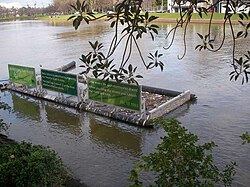
Litter Traps
Litter traps are installed at stormwater drains to intercept waste before it reaches waterways. While these are highly effective for floating or large items, they require regular maintenance to remain functional. Research indicates a distinct difference between the composition of litter found on streets versus that found in stormwater systems.
Monitoring Illegal Dumping
To combat the illegal disposal of large waste, authorities are turning to advanced monitoring. In Japan, Geographic Information Systems (GIS)—a framework for gathering and analyzing spatial and geographic data—are used to map dumping areas based on site characteristics. Additionally, satellite imagery is employed to detect potential illegal dumping sites from above.

Economic Incentives: Container Deposit Legislation
Container deposit legislation creates a financial incentive for people to recycle aluminum cans, glass bottles, and plastic bottles. By assigning a refund value to the waste, these laws encourage both the public and professional waste pickers to clear litter from the environment.
In New York, an expanded bottle bill including plastic water bottles not only boosted recycling but generated $120 million for the state General Fund in 2010 through unclaimed deposits. In Germany and the Netherlands, these laws have been so effective that plastic bottles and cans are rarely found on roadsides. In the Netherlands, 95% of plastic bottles are now recycled.
The financial impact is significant. For example, a waste picker in a country with deposit legislation could earn 13.90 euro in one hour by collecting 108 cans and 31 plastic bottles (at €0.10 each). In contrast, in regions where only the raw material value of aluminum is paid, the same amount of aluminum (roughly 139 cans) would yield only 1.72 euro.

Legal Frameworks and Penalties
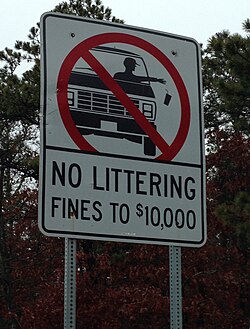
Many jurisdictions use fines and legal sanctions to deter littering. These may include on-the-spot fines issued by authorized officers or penalties levied against vehicle owners if litter is thrown from a car.
| Jurisdiction | Legal Basis / Authority | Potential Penalties |
|---|---|---|
| United States | State statutes and city ordinances | Fines ($200 to $1,000+), community service, or imprisonment |
| United Kingdom | Environmental Protection Act 1990 | Fixed penalty notices or maximum penalty of £2,500 |
| Hong Kong SAR | Public Cleansing and Prevention of Nuisances Regulation | Fines and up to 6 months' imprisonment |
| Netherlands | Police and BOAs (local supervisors) | Fines for cans, bottles, or wrappers |
| Switzerland | National/Local laws | Heavy fines for inappropriate refuse dumping |
| Australia | State-based environmental authorities | Various state-level fines |
Frequently Asked Questions
What is the difference between a fine and a fixed penalty notice in the UK?
In the United Kingdom, many local authorities issue fixed penalty notices under the Environmental Protection Act 1990. These are not technically fines; if an individual chooses not to pay the notice, the case can be heard in the Magistrates Court.
How do litter traps work?
Litter traps are physical barriers placed at the exit of stormwater drains. They capture large or floating debris to prevent it from entering rivers and oceans, though they must be cleaned regularly to stay effective.
Why is container deposit legislation more effective than scrap value?
Deposit legislation provides a much higher financial reward (e.g., €0.10 per bottle) compared to the raw material value of the aluminum or plastic, making it more profitable for people to collect and recycle waste.
What technology is used to find illegal dumping sites?
Authorities use Geographic Information Systems (GIS) to map areas based on specific characteristics and satellite imagery to detect unauthorized waste sites from the air.
Are there national anti-litter laws in Australia?
No, Australia does not have national legislation. Instead, environmental protection authorities at the state level implement their own laws and fines to discourage littering.