
Livingston, Montana: A History of Railroads, Ranching, and the Gateway to Yellowstone
Nestled along the banks of the Yellowstone River, Livingston, Montana, stands as a testament to the transformative power of the American railroad. Founded as a strategic hub for the Northern Pacific Railway (NPR), the town evolved from a rugged frontier outpost into a vital gateway for travelers venturing into the wilderness of the Rocky Mountains and the first national park in the United States.
The town's existence is inextricably linked to the NPR, which established railroad shops here to service steam trains before they tackled the steep ascent of Bozeman Pass, the highest point on the line. Beyond its industrial utility, Livingston became the primary entry point for tourists visiting Yellowstone National Park, a destination heavily promoted by the NPR to attract visitors from the East Coast. To further this connection, the railway operated a 50-mile (80 km) branch line running south through Paradise Valley, eventually reaching the north entrance of the park in Gardiner.
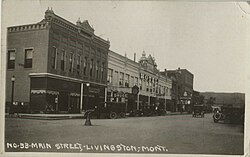
The Rise and Fall of Clark City
Before Livingston became the dominant settlement, a small community known as Benson's Landing existed about three miles downstream. Established in 1872 by Amos Benson, it featured a log cabin, a ferry, and a trading post. By June 1882, the Northern Pacific survey crew had set up a camp of approximately 40 tents nearby, searching for an ideal site for a supply store.
The trajectory of the area changed on July 16, 1882, when George H. Carver and Joseph J. McBride arrived and pitched their tents, becoming the first local residents of what would become the town center. Their arrival coincided with a massive shipment of 140,000 lbs. of merchandise delivered by 30 freight wagons and 140 oxen. This burgeoning settlement was named Clark City in honor of Heman Clark, the NPR's principal contractor for the region west of the Missouri River.
Clark City grew rapidly, eventually boasting a population of 500 and a bustling economy that included:
- 30 saloons (the first owned by Frank White)
- 6 general stores
- 3 blacksmiths
- 2 hotels, 2 restaurants, and 2 meat markets
- 2 watchmakers and 2 wholesale liquor dealers
- 1 hardware store
However, a bureaucratic overlap led to the town's demise. While residents were building Clark City, the Northern Pacific had already marked a town called Livingston on its official maps at the same location. When the railroad officially reached the area on November 22, 1882, and the charter for Livingston was issued, it was decided that the official town would be located a short distance away. The residents of Clark City bought lots in the new town and relocated, leaving Clark City to fade into a "stream-and-bog urban wildland."
Incorporation and Legacy
Livingston was officially incorporated on December 21, 1882. While named in honor of Johnston Livingston—a director and stockholder of the NPR and friend of President Henry Villard—many locals credit his nephew, Crawford Livingston Jr., as the true namesake. Crawford purchased local real estate and established the First National Bank on July 17, 1883, often referring to Livingston as "his town."
The town's geography is as significant as its history. Situated where the Yellowstone River bends east toward Billings, the area has long been a landmark. In July 1806, Captain William Clark of the Lewis and Clark Expedition camped on the outskirts of present-day Livingston while preparing to descend the river on his return trip east.
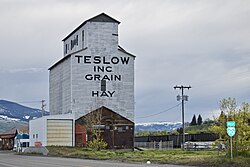
Key Facts
- Founding Driver: The Northern Pacific Railway (NPR) established the town as a service hub for steam trains.
- Yellowstone Gateway: Livingston served as the first major gateway town to Yellowstone National Park.
- The Clark City Transition: Clark City was a thriving settlement of 500 people that was abandoned when the official town of Livingston was chartered.
- Historic Sites: The city and its surrounding area feature 17 sites listed on the National Register of Historic Places.
- International Ties: Livingston has maintained a sister-city relationship with Naganohara, Japan, since 1991.
Tourism and Cultural Attractions
Today, Livingston leverages its rich heritage to attract visitors. The Livingston Depot, a restored 1902 station, operates as a railroad museum from May to September. History enthusiasts can also visit the Yellowstone Gateway Museum, which covers regional history from ancient archaeological sites to the Wild West.
The town is also a world-renowned destination for angling. It is home to the International Fly Fishing Federation's museum and the Fly Fishing Discovery Center. A cornerstone of this legacy is Dan Bailey's Fly Shop, established in 1938 by eastern fly-fisherman Dan Bailey, which grew into a famous mail-order business.
The town's eclectic history is further highlighted by the fact that the legendary Calamity Jane lived here for two decades, and the city has hosted various members of European royalty.
| Era/Event | Key Detail | Significance |
|---|---|---|
| 1806 | Lewis and Clark Expedition | Early exploration of the Yellowstone River region. |
| 1872 | Benson's Landing | Earliest small community/trading post in the area. |
| 1882 | Clark City | Rapidly grew to 500 people before being absorbed by Livingston. |
| Dec 21, 1882 | Incorporation | Official founding of Livingston as an NPR hub. |
| 1902 | Livingston Depot | Construction of the current historic rail station. |
| 1938 | Dan Bailey's Fly Shop | Established Livingston as a fly-fishing destination. |
Frequently Asked Questions
Why was Livingston founded?
Livingston was founded by the Northern Pacific Railway to serve as a centralized point in the Rocky Mountains and a location for railroad shops to service steam trains before they ascended Bozeman Pass.
What happened to Clark City?
Clark City was a successful early settlement that was essentially replaced when the Northern Pacific Railway officially chartered the town of Livingston nearby. Residents bought lots in the new town and moved, leaving Clark City to be reclaimed by nature.
Who is the town of Livingston named after?
The town is officially named after Johnston Livingston, a director and stockholder of the Northern Pacific Railway. However, his nephew, Crawford Livingston Jr., who founded the First National Bank there, is also commonly considered the namesake.
What makes Livingston a destination for fly fishing?
The town's reputation was bolstered by the 1938 establishment of Dan Bailey's Fly Shop and is supported today by the Fly Fishing Discovery Center and the International Fly Fishing Federation's museum.
What is the significance of the Livingston Depot?
Built in 1902, the depot is a restored rail station that now serves as a museum, preserving the town's history as a critical junction for the Northern Pacific Railway.