
Long-Duration Spaceflight: The Evolution of Human Endurance in Orbit
Humanity's journey into the cosmos began with brief excursions, but the ambition to inhabit space has led to a dramatic increase in the length of time astronauts spend away from Earth. What started as missions measured in mere hours has evolved into year-long deployments, pushing the boundaries of human physiology and engineering.
The Timeline of Orbital Endurance
The progression of spaceflight duration reflects the growing capability of spacecraft and the resilience of the human spirit. In the earliest days of human spaceflight, records were modest, typically measured in hours and days. However, the introduction of dedicated space stations in the 1970s and 1980s shifted the paradigm, extending missions to last for weeks and then months.
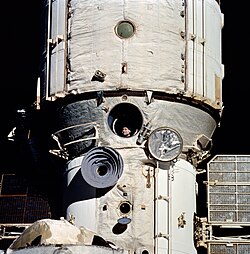
By the 1990s, this trajectory reached a significant milestone when the record was pushed beyond a full year. This era of endurance has persisted into the 21st century, providing critical data on how humans adapt to life outside Earth's atmosphere.
Modern Long-Duration Missions
A primary example of contemporary endurance is the ISS year-long mission conducted between 2015 and 2016. This mission took place aboard the International Space Station, serving as a vital study in the long-term effects of living and working in a space environment.
Challenges to the Human Body
The most significant hurdle for long-duration missions is the physiological impact of the space environment. Two primary factors contribute to these challenges:
- Zero-g: Also known as microgravity, this state of weightlessness affects muscle mass, bone density, and fluid distribution within the body.
- Elevated Radiation: Outside the protection of Earth's atmosphere, astronauts are exposed to higher levels of cosmic radiation, which can pose long-term health risks.
Key Facts
- Early spaceflight records were measured in hours and days.
- Space station missions in the 1970s and 1980s extended stays to weeks and months.
- The record for spaceflight duration exceeded one year during the 1990s.
- The ISS year-long mission (2015–2016) is a benchmark for modern long-duration research.
- Zero-g and radiation are the primary physiological concerns for astronauts.
| Era | Typical Duration Scale | Key Milestones/Factors |
|---|---|---|
| Early Spaceflights | Hours to Days | Initial orbital records |
| 1970s - 1980s | Weeks to Months | Early space station missions |
| 1990s - Present | Over One Year | Extended endurance records |
| 2015 - 2016 | One Year | ISS year-long mission |
Frequently Asked Questions
How has the length of space missions changed over time?
Missions evolved from lasting only hours and days in the early era to weeks and months during the 1970s and 1980s, eventually exceeding one year by the 1990s.
What was the ISS year-long mission?
The ISS year-long mission was a modern long-duration study conducted between 2015 and 2016 aboard the International Space Station to analyze the effects of extended spaceflight.
What is zero-g?
Zero-g, or microgravity, is the condition of apparent weightlessness experienced by astronauts in orbit, which significantly impacts the human body.
What are the main health risks of long-term spaceflight?
The most significant issues are the effects of zero-g on the body and exposure to elevated levels of radiation.
When was the record for the longest spaceflight first pushed past a year?
The record for staying in space for over a year was established during the 1990s.