
Los Angeles: The Entertainment Capital of the World
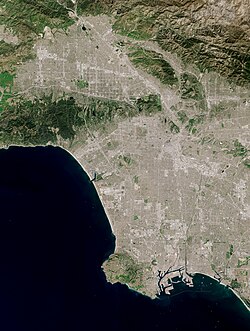
Known affectionately as L.A., the City of Angels, and Tinseltown, Los Angeles is a global powerhouse of culture, commerce, and entertainment. As the most populous city in California and the second-largest in the United States, it serves as a sprawling metropolis where diverse histories and futuristic ambitions collide. From the sun-drenched shores of Venice Beach to the towering peaks of the San Gabriel Mountains, Los Angeles is a city of immense geographic and cultural variety.
Key Facts
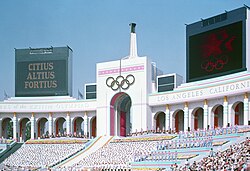
- Population: Approximately 3.89 million (2020 Census), with a metropolitan area exceeding 12.9 million.
- Economic Power: A metropolitan GDP of $1.355 trillion (2024).
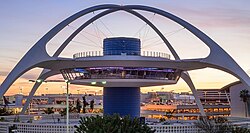
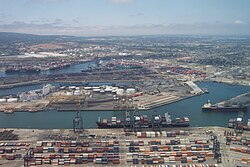
- Global Hubs: Home to LAX, the eighth-busiest airport in the world, and one of the world's five busiest port complexes.
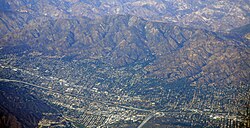
- Highest Point: Mount Lukens, reaching 5,075 feet.
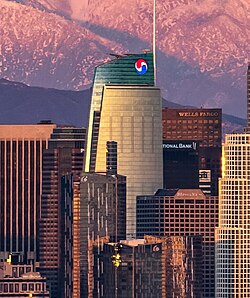
- Tallest Building: Wilshire Grand Center, the tallest in the Western United States.
A Journey Through History
Foundations and Early Rule
The origins of Los Angeles date back to its establishment as a pueblo (a Spanish colonial town) on September 4, 1781. The Spanish influence is still evident in the city's architecture and the founding of Mission San Fernando Rey de España in 1797.
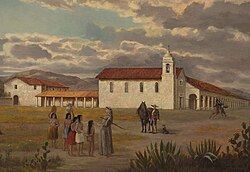
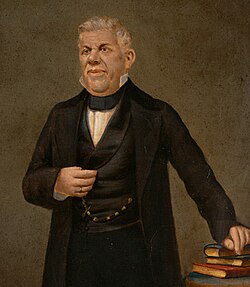
During the Mexican era, the city grew under the influence of Californio statesmen like Pío Pico, the last Mexican governor of California, who helped shape the early development of the region.
The Transition to American Rule
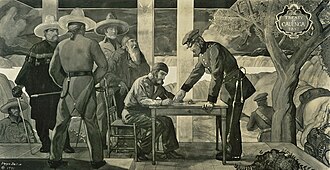
The U.S. Conquest of California concluded with the signing of the Treaty of Cahuenga in 1847 by Andrés Pico and John C. Frémont. Following this, Los Angeles was officially incorporated on April 4, 1850, beginning its trajectory toward becoming a modern American megacity.
The Rise of Hollywood and Global Influence
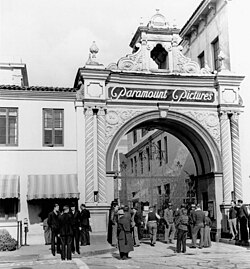
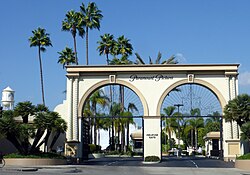
In the early 20th century, the arrival of major film studios, such as Paramount Pictures, transformed the neighborhood of Hollywood into the global center of the motion picture industry. This era solidified the city's status as an economic hub and a symbol of glamour.
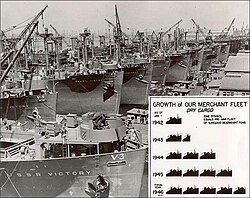
The city's industrial capacity expanded significantly during World War II, with the California Shipbuilding Corporation on Terminal Island helping the Port of Los Angeles become one of the nation's largest shipyards.
Geography and Climate
Topography and Landscape
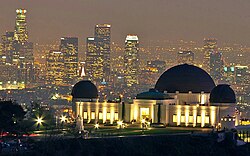
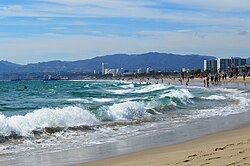
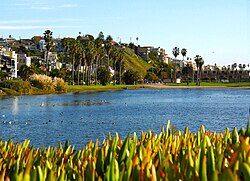
Los Angeles is characterized by a varied landscape that ranges from the Pacific Ocean at sea level to the rugged heights of Mount Lukens in the San Gabriel Mountains. The city's layout includes iconic coastal areas like Venice Beach and the serene Del Rey Lagoon.
Climate Patterns
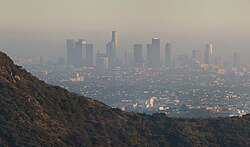
The city experiences a hot semi-arid climate (Bsh), characterized by warm temperatures and low precipitation. While the weather is generally mild, the city has historically struggled with smog, a result of its geography and urban density.
Cityscape and Infrastructure
The Urban Core
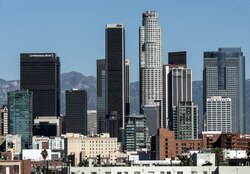
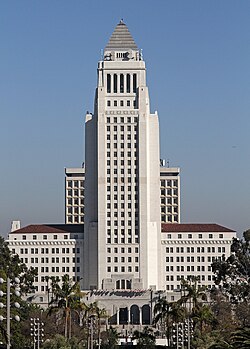
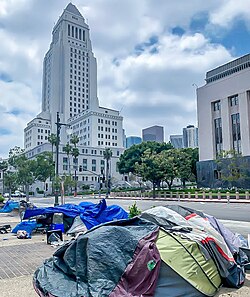
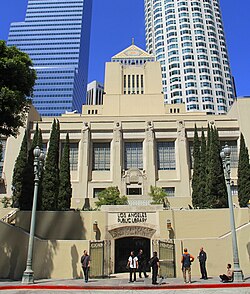
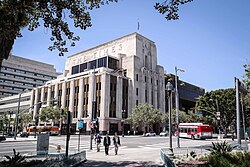
Downtown Los Angeles serves as the central business district, featuring the historic Plaza de Los Ángeles and the 1928 City Hall. The skyline is dominated by the Wilshire Grand Center, reflecting the city's modern architectural growth.
Transportation and Connectivity
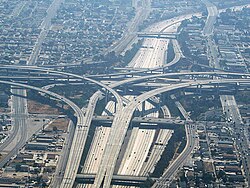
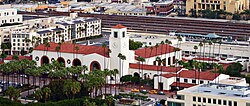
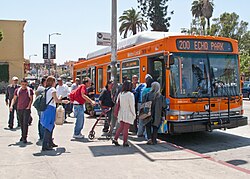
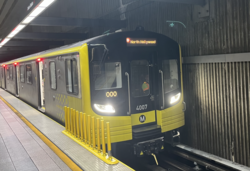
Los Angeles is a city defined by its movement. The Judge Harry Pregerson Interchange connects major freeways, while the Los Angeles Metro provides bus and rail services. Union Station remains the primary hub for Amtrak, Metrolink, and Metro Rail.
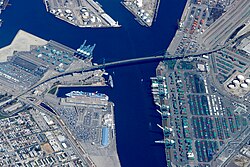
For international travel, Los Angeles International Airport (LAX) serves as a critical gateway, while the combined Port of Los Angeles and Port of Long Beach handle a massive volume of global trade.
Culture, Education, and Economy
Arts and Entertainment
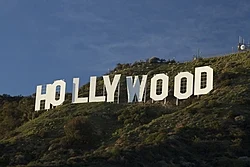
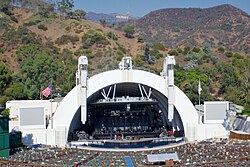
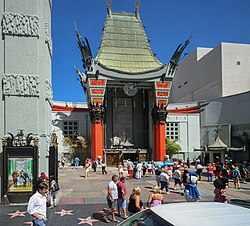
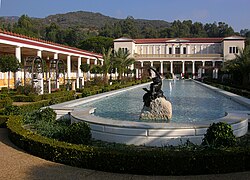
From the Hollywood Sign and the Hollywood Bowl to the Getty Villa and Grauman's Chinese Theatre, the city is a treasure trove of cultural landmarks. The entertainment industry remains a primary driver of the local economy.
Education and Research
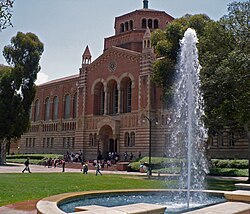
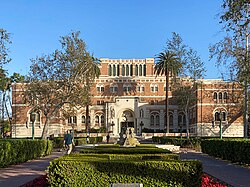
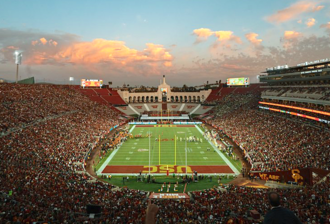
Los Angeles is a premier center for higher education, hosting world-renowned institutions such as the University of California, Los Angeles (UCLA) and the University of Southern California (USC), alongside specialized schools like the American Film Institute.
Economic Landscape
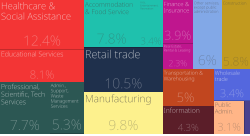
The economy is highly diversified, with healthcare and education being major employers. Kaiser Permanente and USC are among the largest non-government employers in the county.
| Category | Detail |
|---|---|
| Incorporation Date | April 4, 1850 |
| Government Type | Mayor-council |
| Total Area | 498.3 sq mi |
| Metro GDP (2024) | $1.355 trillion |
| Primary Climate | Hot semi-arid |
Frequently Asked Questions
What is the highest point in Los Angeles?
The highest point in Los Angeles is Mount Lukens, located in the San Gabriel Mountains, with an elevation of 5,075 feet.
Which building is the tallest in the Western United States?
The Wilshire Grand Center, completed in 2017, is the tallest building in both California and the Western United States.
How does the Port of Los Angeles rank globally?
The combined Port of Los Angeles and Port of Long Beach is the fifth-busiest port in the world.
What are the primary universities in the city?
The city is home to several major institutions, most notably the University of California, Los Angeles (UCLA) and the University of Southern California (USC).
What is the climate of Los Angeles?
Los Angeles has a hot semi-arid climate, characterized by warm temperatures and relatively low annual precipitation.