
Malta Invasion of 1798: Napoleon's Conquest of the Order of St. John
In June 1798, the strategic islands of Malta and Gozo became the target of Napoleon Bonaparte's ambitious Mediterranean campaign. The islands were then ruled by the Order of St. John (also known as the Hospitallers), a sovereign military order. What followed was a swift military operation that saw the collapse of the Order's rule and the transition of the islands to French sovereignty.
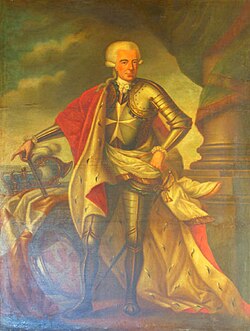
The conflict began on 6 June when the French fleet was sighted off Gozo. In response, the Grand Master, Ferdinand von Hompesch zu Bolheim, summoned a council of war and mobilized the militia. Defense responsibilities were split: the fortified cities of the Grand Harbour—Valletta, Floriana, Birgu, Senglea, and Cospicua—were guarded by Maltese soldiers and militia led by the Order, while the coastline and outlying settlements were left to the country militia and naval knights.
The French Ultimatum
On 9 June, Napoleon sent his aide-de-camp, Jean-Andoche Junot, to request permission for the French fleet to take on water. Adhering to an old statute that limited the entry of Christian ships during hostilities, Hompesch allowed only four ships at a time into the harbours. This restriction prompted Napoleon to issue a stern ultimatum on 10 June.
The ultimatum, signed by Caruson, expressed Napoleon's disappointment and warned of the futility of resistance given the size of the French forces. While the French declared the Order an enemy, they promised to respect the property, customs, and religion of the Maltese people.
The Invasion: 10 June Landings
On the morning of 10 June, French forces launched simultaneous landings at four strategic locations: St. Paul's Bay, St. Julian's, and Marsaxlokk on mainland Malta, and Ramla Bay on Gozo.
St. Paul's Bay and Marsaxlokk
At St. Paul's Bay, troops under Louis Baraguey d'Hilliers quickly overcame Maltese resistance, capturing the bay's fortifications and nearby Mellieħa. The French suffered no casualties, while the defenders lost one knight and one soldier, with 150 others captured.
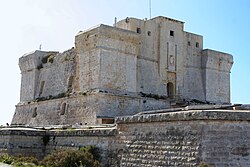
In the south, Louis Desaix led a successful landing at Marsaxlokk. After some resistance, the French captured Fort Rohan, leading the defenders to abandon other coastal fortifications in the area and allowing the bulk of the French forces to land unopposed.
St. Julian's and the Fall of Mdina
Claude-Henri Belgrand de Vaubois led the landing at St. Julian's. Despite an attempt by the Order's navy—consisting of a galley, two galleots, and a chaloup—to block them, the French 4th Light Infantry and 19th of the Line successfully landed. After a brief skirmish with the Maltese Regiment, the French advanced toward Valletta.
A counterattack by the Hospitallers and Maltese was thwarted by an ambush from the 19th of the Line, forcing the defenders back into the city and resulting in the capture of the Order's flag. Simultaneously, Vaubois led troops to the old city of Mdina. Recognizing the hopelessness of their position, the city council capitulated by noon, provided their religion, liberty, and property were respected.
The Conquest of Gozo
On the island of Gozo, Jean Reynier led the 3rd Company of Grenadiers and the 95th Demi-Brigade. They faced a defending force of 2,300 men, including regular troops, coastguardsmen, and militia.
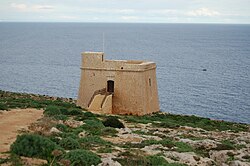
The landing took place near Nadur, between the Ramla Right Battery and the Sopu Tower. Despite heavy fire from the batteries, the French advanced to higher ground and captured the Ramla batteries. One French officer, Sergeant-Major Bertrand, was killed during the operation.
By 14:00, Fort Chambray surrendered, cutting off communication with Malta. By nightfall, the Cittadella in Rabat also capitulated. The French seized 116 artillery pieces, various muskets, and three stores of wheat.
Chaos in the Harbour and Final Resistance
As the French closed in, Valletta and the Cottonera area descended into turmoil. While the clergy held processions for Saint Paul, internal tensions rose. Two French residents were murdered on suspicion of espionage, and two young knights were killed in the Cottonera, sparking fears of a Maltese uprising.
Political divisions emerged within the Order. Some French knights with Republican sympathies supported Napoleon. Jean de Bosredon de Ransijat, the Secretary of the Treasury, was briefly imprisoned in Fort St. Angelo after declaring his neutrality.
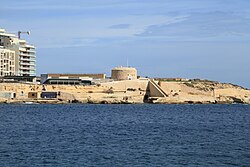
Despite the chaos, some fortifications held out. Fort Ricasoli and Fort Manoel resisted until the final capitulation. Fort Tigné, however, was heavily bombarded on 11 and 12 June and was abandoned on the night of 12–13 June.
Capitulation and Terms of Surrender
On 11 June, the Council requested a truce. After negotiations on the French flagship L'Orient, a convention was signed on 12 June. The Order ceded sovereignty of the islands to France.
The terms included:
- The French promised to find a principality for Grand Master Hompesch as compensation.
- Private property of the knights and the Maltese was to be respected.
- Pensions were granted to the Grand Master and French knights, with similar arrangements for knights from other republics.
The surrender was phased: Fort Manoel, Fort Tigné, Fort St. Angelo, and the Cottonera and Birgu/Senglea fortifications were handed over by noon on 12 June. Valletta, the Floriana Lines, Fort Saint Elmo, and Fort Ricasoli followed by noon on 13 June.
Key Facts
- Date of Invasion: 10 June 1798.
- French Commander: Napoleon Bonaparte.
- Order's Leader: Grand Master Ferdinand von Hompesch zu Bolheim.
- Key Locations Captured: Valletta, Mdina, Gozo, and various coastal forts.
- Military Spoils: Approximately 1,200 artillery pieces, 40,000 muskets, and 1.5 million pounds of gunpowder.
- Naval Seizures: Two ships of the line, one frigate, and four galleys.
| Landing Site | French Commander | Outcome | Key Resistance/Forts |
|---|---|---|---|
| St. Paul's Bay | Louis Baraguey d'Hilliers | Quick capture | Mellieħa |
| Marsaxlokk | Louis Desaix | Successful landing | Fort Rohan |
| St. Julian's | Claude-Henri Belgrand de Vaubois | Capture of Mdina | Maltese Regiment |
| Ramla Bay (Gozo) | Jean Reynier | Full island capture | Sopu Tower, Cittadella |
Frequently Asked Questions
Why did the Order of St. John allow only four French ships into the harbour?
Grand Master Hompesch followed an old statute that forbade more than four ships from Christian countries to enter Maltese ports simultaneously during periods of hostilities.
What were the terms of the capitulation for the Maltese people?
The French promised to respect the religion, customs, and private property of the Maltese population.
Which fortifications resisted the longest?
Fort Ricasoli and Fort Manoel withstood several attacks and only surrendered after the official capitulation was signed.
How did the city of Mdina respond to the invasion?
The city council at the Bishop's Palace decided that resistance was futile and agreed to capitulate to General Vaubois by noon on 10 June.
What military assets did the French capture upon taking the islands?
The French seized roughly 1,200 artillery pieces, 40,000 muskets, 1.5 million pounds of gunpowder, and several naval vessels, including two ships of the line.