
Marburg Virus Disease: Epidemiology and History of Outbreaks
Marburg virus disease (MVD) is a severe viral hemorrhagic fever caused by viruses within the Marburgvirus genus. Due to its high lethality and potential for transmission, the World Health Organization (WHO) identifies the disease as having pandemic potential. The virus is zoonotic, meaning it spreads from animals to humans, often linked to specific environmental reservoirs like caves and fruit bats.
Key Facts
- Pandemic Potential: Recognized by the WHO as a threat with the potential to spread globally.
- High Fatality: Historical case fatality rates have reached as high as 90% in certain outbreaks.
- Primary Strains: The two main viruses associated with the disease are MARV and RAVV.
- Transmission: Occurs through direct contact with infected animals or human bodily fluids, including blood.
- Reservoirs: Egyptian rousettus bats have been identified as reservoir hosts.
Historical Timeline of Outbreaks
Since its first documentation in 1967, MVD has appeared sporadically, primarily in sub-Saharan Africa, though early cases were linked to laboratory accidents in Europe and the Soviet Union.
| Year | Country | Virus | Cases | Deaths | Fatality Rate |
|---|---|---|---|---|---|
| 1967 | West Germany, Yugoslavia | MARV | 31 | 7 | 23% |
| 1975 | Rhodesia, South Africa | MARV | 3 | 1 | 33% |
| 1980 | Kenya | MARV | 2 | 1 | 50% |
| 1987 | Kenya | RAVV | 1 | 1 | 100% |
| 1988-1990 | Soviet Union | MARV | 2 | 1 | 50% |
| 1998–2000 | DR Congo | MARV & RAVV | 154 | 128 | 83% |
| 2004–2005 | Angola | MARV | 252 | 227 | 90% |
| 2007-2017 | Uganda | MARV & RAVV | 28 | 12 | 43% |
| 2021 | Guinea | MARV | 1 | 1 | 100% |
| 2022 | Ghana | MARV | 3 | 2 | 66.66% |
| 2023 | Equatorial Guinea | MARV | 17+ | 12+ | High |
| 2023-2025 | Tanzania | MARV | 18 | 14 | 77% |
| 2024 | Rwanda | MARV | 58 | 13 | 22% |
| Total | Global | MARV & RAVV | 593 | 446 | 75% |
The 1967 Discovery
MVD was first identified in 1967 following outbreaks in Marburg and Frankfurt am Main, Germany, and Belgrade, Yugoslavia. The source was traced to infected grivets (Chlorocebus aethiops), monkeys imported from Uganda for the development of poliomyelitis vaccines at the Behringwerke laboratory. Primary infections occurred among staff lacking adequate personal protective equipment (PPE), while secondary cases occurred among medical staff and family members through direct contact with infected blood.
Early Sporadic Cases (1975–1990)
Between 1975 and 1990, several isolated cases occurred. In 1975, an Australian tourist in Rhodesia (now Zimbabwe) contracted the virus, leading to secondary infections of his girlfriend and a nurse. In 1980 and 1987, cases in Kenya were linked to Mount Elgon, specifically Kitum Cave. Additionally, two laboratory accidents occurred at the "Vektor" institute in the Soviet Union in 1988 and 1990, including one lethal infection caused by an accidental syringe prick.
Major African Outbreaks
From 1998 to 2000, illegal gold miners in the Democratic Republic of the Congo experienced a major outbreak involving both MARV and RAVV, resulting in 128 deaths. This was followed by a devastating outbreak in Angola (2004–2005), where 227 out of 252 cases were fatal. This outbreak was exacerbated by a severe shortage of doctors, lack of PPE, and infrastructure destroyed by civil war.
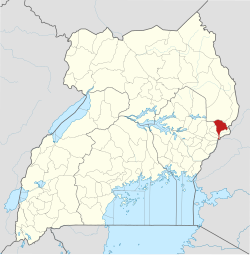
Uganda has seen multiple occurrences, including cases linked to Python Cave in Maramagambo Forest in 2008, which affected a Dutch woman and an American woman. More recently, an outbreak in the Kween District in 2017 affected a single family and a healthcare worker.
Recent Emergence in West and East Africa
In 2021, Guinea recorded the first confirmed case of MVD in West Africa. Researchers found that the outbreak was caused by an Angola-like Marburg virus and identified a colony of Egyptian rousettus bats—the virus's reservoir host—just 4.5 km from the affected village.
Recent years have seen a rise in activity: Ghana reported three cases in 2022; Equatorial Guinea and Tanzania both faced outbreaks in 2023; and Rwanda confirmed an outbreak in September 2024, primarily affecting healthcare workers.
Frequently Asked Questions
What is the difference between MARV and RAVV?
MARV and RAVV are two different viruses within the Marburgvirus genus that cause Marburg virus disease. Both are capable of causing severe hemorrhagic fever in humans.
How is Marburg virus transmitted to humans?
Humans typically become infected through prolonged contact with infected animals, such as fruit bats in caves, or through direct contact with the blood, secretions, or other bodily fluids of infected people.
Why is the case fatality rate so high in some outbreaks?
The high fatality rate is often due to the virus's virulence and the lack of medical infrastructure, such as a shortage of doctors, lack of clean water, and insufficient personal protective equipment (PPE) in affected regions.
Which animals are known to carry the Marburg virus?
Egyptian rousettus bats are identified as the reservoir hosts for the virus. Historically, grivet monkeys have also been involved in transmitting the virus to humans in laboratory settings.
Is Marburg virus disease considered a global threat?
Yes, the World Health Organization (WHO) classifies Marburg virus disease as having pandemic potential due to its severity and the possibility of wider transmission.