
Mass Media Influence and Sociology
The relationship between mass media and sociology is a complex interplay of information delivery and social construction. Since the 1950s, as cinema, radio, and television became the primary sources of information for the general population, these platforms evolved into central instruments of mass control. In highly industrialized nations, the ability to control communications often equates to controlling the country itself.
Mass media does more than simply report facts; it shapes public perceptions by selecting which information to dispense and how to interpret it. By portraying a specific set of beliefs, values, and traditions as the standard reality, the media effectively molds the public's understanding of the world. This influence extends to civil unrest, where radio and television networks can spread the impact of riots or strikes across cities based on distribution networks rather than mere geographic proximity.
Key Facts
- Three Primary Functions: Mass media operates through the knowledge gap, agenda setting, and the cultivation of perceptions.
- Media Concentration: As of 2012, approximately 90% of US mass media was owned by six major corporations: GE, News-Corp, Disney, Viacom, Time Warner, and CBS.
- Framing: Media organizations use framing to lead public discourse and organize how an issue is perceived.
- Cultivation: Prolonged exposure to specific media content, such as violence, can lead viewers to perceive the real world as more dangerous or justify violence.
- Vulnerability: Artist Joey Skaggs has demonstrated that news outlets are susceptible to manipulation via fabricated press releases and fictitious experts.
The Three Main Effects of Mass Media
In 1997, J. R. Finnegan Jr. and K. Viswanath identified three core functions that define how mass media influences society.
The Knowledge Gap
The knowledge gap refers to the disparity in information access and understanding among different social groups. This gap is influenced by how appealing the content is, the accessibility and desirability of information channels, and the level of social diversity and conflict within a community.
Agenda Setting and Framing
Agenda setting occurs when media groups influence what the public thinks about by selectively choosing which stories to cover. According to J. J. Davis, when the media highlights risks in great detail, it often provokes a sense of public threat or outrage, strengthening the agenda-setting effect.
To achieve this, media organizations use framing—the act of taking a leadership role in organizing public discourse. This process is often a competition where institutions and advocates fight to define issues symbolically and move them onto the public agenda, while the media attempts to maintain a perceived balance in coverage.
Cultivation of Perceptions
Cultivation is the process by which long-term media exposure shapes an audience's perception of reality. In the United States, television has acted as a "homogenizing agent," though these effects are often tied to socioeconomic factors. For example, constant exposure to televised violence can lead individuals to believe community violence is a pervasive problem or even justifiable, contributing to a broader culture of violence and rape culture.
Theoretical Perspectives on Media Influence
Sociologists use different theories to explain how much power the media actually holds over the individual:
- Limited-effects theory: Suggests that media influence is negligible because people typically choose media that aligns with their existing beliefs.
- Class-dominant theory: Argues that media reflects the views of a minority elite who control the means of communication.
- Culturalist theory: Proposes a middle ground, suggesting that people interact with media to create their own unique meanings from the messages they receive.
| Theory | Core Argument | Perceived Influence |
|---|---|---|
| Limited-effects | Users seek content that confirms existing beliefs | Low |
| Class-dominant | Media projects the views of a controlling elite | High |
| Culturalist | Users actively construct their own meanings | Variable/Interactive |
Media and Social Discrimination
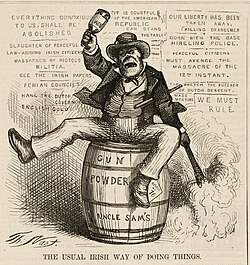
Through framing and agenda-setting, mass media can reinforce or introduce harmful stereotypes. When coverage is limited or skewed to target specific demographics, it can distort how the public perceives entire groups of people.
A prominent example is the historical portrayal of African Americans in US media. By focusing heavily on crime, gang violence, and drug use, the media has contributed to a distorted public perception. Stephen Balkaran notes that this has played a key role in perpetuating historical oppression and maintaining the status of African Americans as second-class citizens. Similarly, negative portrayals of men in media have contributed to harmful public perceptions of masculinity.
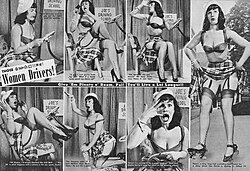
These stereotypes are often ingrained through repetitive imagery and narratives that prioritize sensationalism over nuance.
Frequently Asked Questions
What is the difference between agenda setting and framing?
Agenda setting is the process of deciding which issues the public should think about, while framing is the process of deciding how those issues should be thought about by organizing the discourse.
How does the "knowledge gap" occur?
The knowledge gap occurs when factors such as the accessibility of information channels, the appeal of the content, and the social diversity of a community cause some groups to acquire information faster or more effectively than others.
What is cultivation theory?
Cultivation theory suggests that prolonged exposure to media (particularly television) shapes a viewer's perception of reality over time, such as making the world seem more violent than it actually is.
Who controls the majority of US mass media?
As of 2012, approximately 90% of US mass media—including sports, video news, and radio—was owned by six major companies: GE, News-Corp, Disney, Viacom, Time Warner, and CBS.
How can mass media be manipulated?
As demonstrated by artist Joey Skaggs, media can be manipulated through the use of staged events, fictitious experts, and fabricated press releases, often because news outlets prioritize sensational narratives over rigorous fact-checking.