
Matobo National Park: A Sanctuary of Biodiversity and Ancient History
Matobo National Park is a landscape of profound beauty and ecological significance. Defined by its striking granite formations and deep cultural roots, the park serves as a critical refuge for endangered wildlife and a living museum of human history. From the ancient rock art of the San people to the unique geological structures of the Matopos Batholith, the park offers a rare intersection of natural wonder and historical depth.
Key Facts
- Wildlife Density: Home to the world's densest population of leopards and the highest concentration of breeding black eagles globally.
- Ancient Art: Features over 3,000 registered rock art sites created primarily between 320 and 500 C.E.
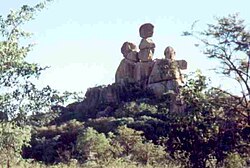
- Geology: Composed of the Matopos Batholith, a massive granite formation that weathers into iconic balancing rocks.
- Rhino Conservation: Designated as an Intensive Protection Zone for both white and black rhinos.
- Human History: Archaeological evidence dates back to the Pre-Middle Stone Age, approximately 300,000 years ago.
Geography and Geology
The physical foundation of the park is the Matopos Batholith, a vast expanse of granite. Over millennia, weathering has sculpted this rock into fantastic shapes, most notably the balancing rocks. These formations create a dramatic skyline of peaks and narrow valleys.
Between these granite mountains lie dambos or vleis—swampy valleys formed by runoff from the whaleback mountains. These wetlands are ecologically vital, serving as the headwaters for the Mpopoma, Mtsheleli, and Maleme rivers, while the Thuli River originates just east of the park boundaries.
Flora, Fauna, and Fungi
The park is a powerhouse of biodiversity, supporting a wide array of species across multiple kingdoms.
Wildlife and Avian Life
Matobo National Park supports 88 mammal, 175 bird, 39 snake, and 16 fish species. The park is particularly famous for its leopards; the population thrives here due to an abundance of hyrax, which constitute 50% of the leopard's diet. The game park in the west serves as an Intensive Protection Zone for several species, including giraffes, zebras, wildebeests, ostriches, hyenas, and hippopotamuses.
Rhino conservation is a cornerstone of the park. White rhinos were introduced from KwaZulu-Natal in the 1960s, followed by black rhinos from the Zambezi Valley in the 1990s.
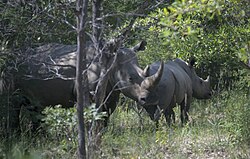
For birdwatchers, the park is unparalleled, hosting the world's highest concentration of breeding pairs of black eagles. Additionally, a limnological research centre (the study of inland waters) has operated at the Maleme Dam since 1950, focusing on species like the yellow-fish, Barbus mattozi.
Botany and Fungi
The botanical diversity is equally impressive, with over 200 tree species, including the paperbark acacia, wild pear, and mountain acacia. The landscape is further enriched by over 100 grass species, various wild herbs, and numerous aloes, including rare endemic plants.
Supporting this greenery is a diverse array of fungi. These include saprophytic species (which feed on dead organic matter) and mycorrhizal species (which form symbiotic relationships with plant roots). These fungi are essential for recycling nutrients and maintaining soil fertility within the granite landscapes, while also providing food for small mammals and insects.
Archaeological and Cultural Heritage
The Matobo Hills have been a site of human activity for hundreds of thousands of years. Archaeological finds date back to the Pre-Middle Stone Age, roughly 300,000 B.P. (Before Present).
San Rock Art and Ancient Caves
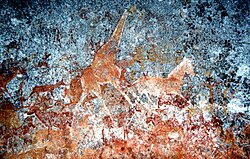
About 2,000 years ago, the San (Bushmen) inhabited the hills, leaving behind a legacy of rock paintings. With over 3,000 registered sites, the most prolific painting period occurred between 320 and 500 C.E. Key sites available to tourists include:
- Bambata Cave: Features friezes of giraffes, elephants, mongoose, tsessebe, and warthogs.
- Inanke Cave: Contains the most extensive paintings and requires a three-hour hike past an Iron Age furnace.
- Nswatugi Cave: Known for its kudu, elephant, and giraffe friezes; a Middle Stone Age human skeleton dating to 42,000 BC was discovered here.
- Pomongwe Cave: A site of significant archaeological study where over 39,000 stone tools were found. Evidence suggests early inhabitants ate tortoise, baboons, larger game, and primarily hyrax.
- White Rhino Shelter: A small site featuring rhino outlines that inspired the 1960s re-introduction of the species.
Spiritual and Colonial History
The hills hold deep spiritual meaning for the Shona and Ndebele people and were once the headquarters of the spiritualist oracle, the Mlimo. This hallowed reputation makes the area a center for ongoing rituals.
The park also preserves the history of the Second Matabele War (the First Chimurenga). In 1896, an indaba (a formal meeting) took place here between Ndebele leaders and white settlers. This era saw the assassination of the Mlimo by American scout Frederick Russell Burnham and the subsequent peace negotiations led by Cecil Rhodes. It was also here that Robert Baden-Powell, the founder of Scouting, learned woodcraft from Burnham.
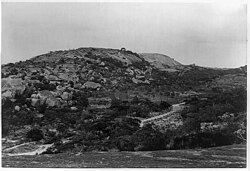
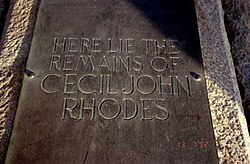
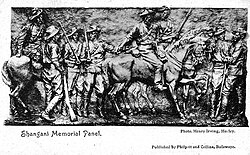
The summit of Malindidzimu, known as the "hill of the spirits" or World's View, is the burial site of Cecil Rhodes, Leander Starr Jameson, Allan Wilson, and the Shangani Patrol. Because this site is considered sacred by indigenous groups and nationalists, these burials remain a point of modern controversy. Mzilikazi is also buried within the Matopos Hills.
Summary of Park Features
| Category | Key Highlights | Notable Species/Sites |
|---|---|---|
| Fauna | High density of predators and rare birds | Leopards, Black Eagles, White/Black Rhinos |
| Flora | High botanical diversity | Paperbark Acacia, Mountain Acacia, Aloes |
| Geology | Granite Batholith | Balancing Rocks, Dambos (swampy valleys) |
| Archaeology | Prehistoric human habitation | San Rock Art, Nswatugi Cave, Pomongwe Cave |
| History | Colonial and Indigenous conflict | Malindidzimu, First Chimurenga, Mlimo Oracle |
Frequently Asked Questions
What makes the leopard population in Matobo National Park unique?
The park contains the world's densest population of leopards, largely because of the abundance of hyrax, which make up half of their diet.
How old is the oldest human evidence found in the park?
Archaeological finds in the park date back as far as the Pre-Middle Stone Age, approximately 300,000 years ago.
What are "dambos" in the context of Matobo's geography?
Dambos, also known as vleis, are narrow, swampy valleys formed by water runoff from the granite whaleback mountains.
Why is the burial site on Malindidzimu controversial?
Malindidzimu is considered a sacred place by indigenous groups and nationalists, making the burial of colonial figures like Cecil Rhodes and the Shangani Patrol a source of modern tension.
Which cave is known for having the most extensive rock paintings?
Inanke Cave possesses the most extensive paintings, though it is located in a remote area requiring a three-hour hike from Toghwana Dam.