
Metalsmithing: A Comprehensive Guide to the Different Types of Smiths
At its core, a metalsmith is a skilled artisan who possesses the knowledge and capacity to work with various metals. While the term is often used broadly, the craft is divided into numerous specialized disciplines based on the material used, the tools employed, and the final product created. From the heavy forging of iron to the delicate shaping of precious gemstones and gold, smithing is a diverse field of craftsmanship.
Historically, these roles were distinct professions within a community, ensuring that everything from horseshoes to currency was produced by a specialist. Understanding these distinctions helps us appreciate the precision and technical skill required for different types of metalwork.
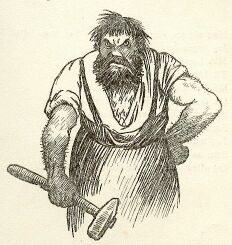
Key Facts
- A metalsmith is the general term for anyone capable of working with all types of metals.
- Blacksmithing is the most common association with the term "smith," focusing on iron and steel.
- Specializations are typically divided by metal color (white, brown) or the specific object being created (blades, locks, coins).
- Some roles, such as the tinker, are now considered archaic.
Ferrous and Base Metal Smiths
The most recognizable form of smithing involves ferrous metals—metals containing iron. The blacksmith works primarily with iron and steel to create a wide array of tools and structures. Within this field, a farrier is a specialized blacksmith who focuses specifically on the creation and fitting of horseshoes.
Copper and Non-Ferrous Metals
Smiths who work with non-ferrous metals often have titles based on the color or type of the material. A brownsmith works with copper and copper-based alloys, while a coppersmith focuses exclusively on copper.
Those working with "white metals," such as tin and pewter, are known as whitesmiths. Depending on the context, a whitesmith may be someone who forges the metal or someone who specializes in polishing and finishing it. Similarly, a tinsmith (also called a tinner) works with light metals like tinware. The term tinker is an archaic name for a tinsmith who traveled from place to place (itinerant).
Precious Metal Specialists
Working with precious metals requires a different set of tools and a higher degree of precision. A goldsmith specializes in gold, while a silversmith (also known as a brightsmith) works with silver.
Weaponry and Tool Specialists
The creation of arms and armor is a highly specialized branch of smithing. A weaponsmith is a generalist who forges various weapons, including flails, spears, and axes. This role encompasses the bladesmith, who focuses on knives, swords, and other bladed edges. A swordsmith is a further specialization of the bladesmith, focusing solely on the production of swords.
Other niche weapon specialists include the arrowsmith, a blacksmith who specializes in forging arrowheads, and the gunsmith, who builds and repairs firearms. Traditionally, an armourer working in an armoury maintained small weapons and shared several duties with the gunsmith.
Specialized Utility Smiths
Beyond weaponry and jewelry, some smiths focus on specific functional objects. A coinsmith works strictly with currency and coins, while a locksmith specializes in the creation and repair of locks.
Summary of Smithing Specializations
| Type of Smith | Primary Material/Focus | Specialization |
|---|---|---|
| Blacksmith | Iron and Steel | General forging |
| Farrier | Iron/Steel | Horseshoes |
| Brownsmith | Copper and Alloys | Copper-based metals |
| Whitesmith | Tin and Pewter | Finishing and polishing |
| Goldsmith | Gold | Precious metalwork |
| Silversmith | Silver | Precious metalwork |
| Bladesmith | Steel/Iron | Knives and swords |
| Gunsmith | Various Metals | Firearms |
Frequently Asked Questions
What is the difference between a blacksmith and a farrier?
A blacksmith is a generalist who works with iron and steel. A farrier is a specific type of blacksmith who specializes in the craft of making and fitting horseshoes.
What does a whitesmith do?
A whitesmith works with "white metals" like tin and pewter. The term can refer to the forging of these metals or the process of polishing and finishing the metal surface.
How does a bladesmith differ from a swordsmith?
A bladesmith is a generalist who forges various bladed tools and weapons, such as knives and swords. A swordsmith is a more specialized artisan who forges only swords.
What is a tinker?
A tinker is an archaic term used to describe an itinerant tinsmith—someone who traveled from place to place to work with tinware.
What is the role of an armourer?
An armourer works in an armoury to maintain and repair small weapons, often performing duties similar to those of a gunsmith.