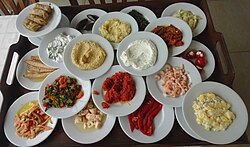
Meze: The Art of Eastern Mediterranean Small Plates
In the vibrant culinary landscapes of the Eastern Mediterranean, dining is often less about a single main course and more about a shared experience of variety. This is the essence of meze (also spelled mezze or mezé)—a curated selection of small dishes served as appetizers. Similar to Spanish tapas or Italian stuzzichini, meze can serve as a prelude to a multi-course feast or stand alone as a complete, leisurely meal.
Traditionally, these dishes are paired with potent spirits such as arak, ouzo, rakia, raki, or grappa, often enjoyed in specialized settings like Turkish meyhanes or Greek ouzeris.
Key Facts
- Origin: Borrowed from the Turkish meze ('appetizer'), which originates from the Persian maze ('taste' or 'relish').
- Cultural Reach: Prevalent across the former Ottoman Empire, including the Levant, Turkey, Greece, and the Balkans.
- Serving Style: Can be a series of appetizers or a full meal consisting of multiple groups of dishes.
- Common Pairings: Frequently served with anise-flavored spirits or as a social accompaniment to nargila (hookah).
Etymology and History
The linguistic roots of meze trace back to the Persian word maze, meaning "taste" or "relish." This term was adopted into Turkish as meze and subsequently spread throughout the regions influenced by the Ottoman Empire.
The tradition of pairing small bites with alcohol is ancient, dating back to medieval times. It began within the Byzantine Empire and flourished in Ottoman Greek houses and taverns. Similarly, medieval Arabic texts mention Naql—small dishes like salted toasted almonds served with alcohol—which food historians consider a precursor or comparable concept to modern meze.
Common Meze Dishes
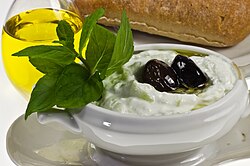
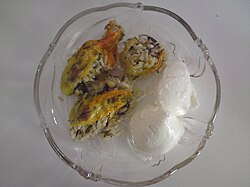
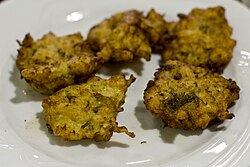
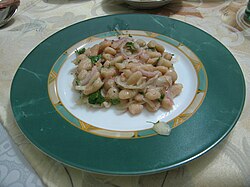
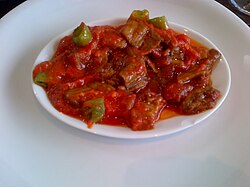
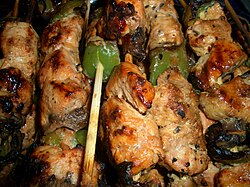
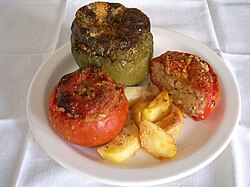
Meze is characterized by a diverse array of flavors, textures, and temperatures. Common staples include cubes of cheese, olives, grilled meats, and various dips. Seafood, such as grilled octopus or fried calamari, is also frequent, alongside vegetable-based salads and stuffed delicacies.
Popular Regional Variations
While many dishes overlap, different regions emphasize specific ingredients:
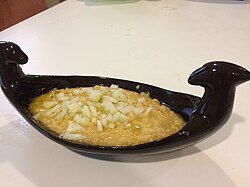
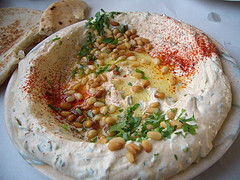
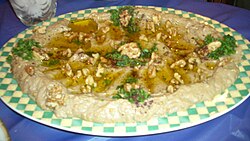
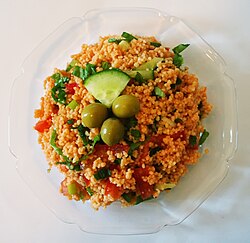
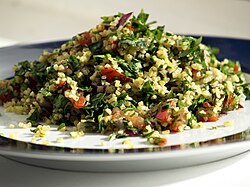
- Levantine: Focuses on dips like hummus (mashed chickpeas) and baba ghanoush (mashed eggplant), and salads like tabbouleh (bulgur and parsley).
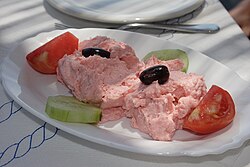
- Greek: Features tzatziki (yogurt and cucumber), saganaki (fried cheese), and taramosalata (fish roe dip).
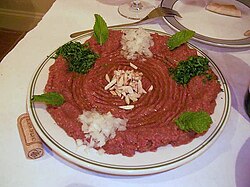
- Turkish: Includes çiğ köfte (raw meatballs with bulgur), haydari (strained yogurt), and midye dolma (stuffed mussels).
- Armenian: Features lahmajoun (spiced meat flatbread) and ishli kyufta (stuffed meatballs).
| Dish Type | Levantine | Greek | Turkish | Armenian |
|---|---|---|---|---|
| Eggplant Dip | Baba ghanoush | Melitzanosaláta | Patlıcan ezmesi | Mutabal |
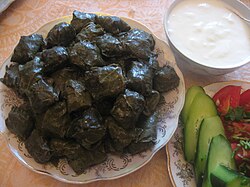
| Stuffed Leaves | Wara Enab | Dolmathákia | Sarma | Dolma |
| Chickpea/Bean | Falafel / Hummus | Revithokeftédes | Falafel / Humus | Baklayov kyufta |
| Meatballs | Kibbeh / Kafta | Koúpes / Keftédes | İçli köfte / Köfte | Ishli Kyufta / Kufteh |
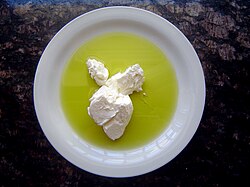
| Yogurt Dip | Labaneh | Tzatziki | Cacık / Haydari | Jajik |
Regional Traditions
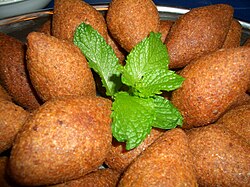
The Levant
In Palestine, Jordan, Syria, Lebanon, Cyprus, and Israel, meze is often a meal in its own right. Dishes typically arrive in groups of four or five, following a specific progression: starting with olives, tahini, and yogurt, moving to vegetables and eggs, then small meat or fish plates, and concluding with substantial grills or stews. In Palestinian culture, meze may specifically refer to the opening samples of a formal meal or snacks served with a nargila.
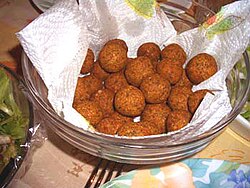
Turkey
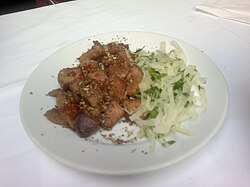
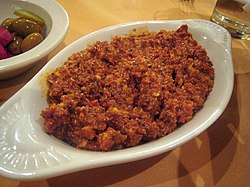
Turkish meze is a sophisticated accompaniment to rakı. Popular choices include beyaz peynir (white cheese), kavun (ripe melon), acılı ezme (hot pepper paste), and Arnavut ciğeri (cold liver dish). These can be served as appetizers for a larger dinner or as the primary focus of a social gathering.
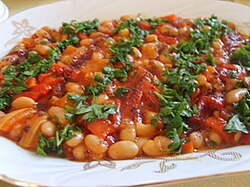
The Balkans
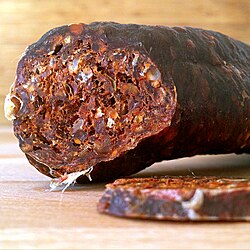
In Southeast Europe, meze resembles Italian antipasto, focusing heavily on cured meats and cheeses. In Greece, Albania, Serbia, Croatia, Bosnia, and Montenegro, platters often feature kajmak (clotted cream), salami, and ajvar (roasted red pepper spread). In Muslim-majority Balkan areas, pork is replaced with sudžuk (spicy sausage) or cured beef.
In Bulgaria, shopska salad (tomatoes, cucumbers, and sirene cheese) and lukanka (spicy sausage) are staples. In Romania, mezelic refers to quick appetizers like zacuscă, often paired with tuică (plum brandy).
Frequently Asked Questions
What is the difference between meze and tapas?
While both involve small plates served as appetizers or meals, meze is specific to the Eastern Mediterranean and Middle Eastern regions, whereas tapas originate from Spain. They share a similar social function of sharing variety among a group.
Is meze always served with alcohol?
Not necessarily. While traditionally paired with spirits like ouzo or rakı, in many Muslim-majority countries where alcohol is less common, meze is integrated into the general meal structure as a series of starters.
What is the typical order of serving meze in the Levant?
Meze usually follows a pattern: starting with light items like olives, tahini, and salads, progressing to vegetables and eggs, then moving to small meat or fish dishes, and ending with heavier grills or stews.
What are some common vegetarian meze options?
Vegetarian options are abundant, including hummus, baba ghanoush, tabbouleh, falafel, stuffed grape leaves (dolma), and various fresh cheeses like halloumi or labneh.
What is the origin of the word 'meze'?
The word is borrowed from the Turkish meze, meaning 'appetizer,' which was originally derived from the Persian word maze, meaning 'taste' or 'relish.'