
MH-139A Grey Wolf: Modernizing Nuclear Missile Field Security
The United States Air Force is currently upgrading its aerial security capabilities to protect some of the nation's most critical assets. Central to this effort is the MH-139A Grey Wolf, a modern helicopter designed to replace the aging UH-1N fleet. This transition represents a significant leap in how the military monitors nuclear missile fields and transports high-ranking officials.
The Genesis of the Grey Wolf Program
On September 24, 2018, the U.S. Air Force awarded Boeing a $2.4 billion contract to initiate the replacement of the UH-1N helicopters. This acquisition marked a historic milestone as the first major purchase for the Air Force Global Strike Command in its ten-year existence. The program emerged following the cancellation of the previous Common Vertical Lift Support Program (CVLSP).
To kickstart the initiative, Boeing received an initial $285-million contract to manufacture the first 13 MH-139A Grey Wolf aircraft, specifically tasked with guarding America's nuclear ballistic missiles.
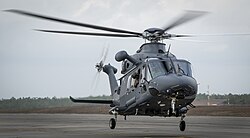
Operational Roles and Capabilities
The MH-139A is a versatile platform designed for several high-stakes missions. Its primary purpose is to conduct security patrols over extensive Intercontinental Ballistic Missile (ICBM) fields—long-range guided missiles capable of hitting targets across continents.
Beyond security patrols, the Grey Wolf is utilized for:
- Search and rescue operations.
- Personnel and cargo transport.
- Executive airlift for senior leaders within the Air Defense Identification Zone (ADIZ), also known as the National Capital Region.
- Aircrew survival training.
Developmental Challenges and Fleet Adjustments
Despite its critical role, the Grey Wolf program has encountered various setbacks and delays. A primary hurdle has been obtaining Federal Aviation Administration (FAA) type certification. While military aircraft typically do not require FAA certification, the MH-139A must meet these standards because it is required to operate extensively within domestic U.S. airspace.
These challenges have coincided with a fluctuating procurement strategy. While the Air Force initially intended to purchase 84 helicopters, the target number was subsequently reduced to 80, then 74. According to the Fiscal Year 2025 budget, the fleet size may be further reduced to 36 aircraft.
Key Facts
- Manufacturer: Boeing.
- Primary Mission: Security patrols of nuclear ICBM fields.
- Initial Contract Value: $2.4 billion.
- Predecessor: UH-1N helicopter.
- Certification Requirement: Must obtain FAA type certification for domestic flight.
- Latest Budget Projection: Fleet size potentially reduced to 36 units.
| Category | Details |
|---|---|
| Primary Contractor | Boeing |
| Command Oversight | Air Force Global Strike Command |
| Initial Order Quantity | 13 aircraft ($285 million) |
| Original Fleet Goal | 84 aircraft |
| FY2025 Budget Estimate | 36 aircraft |
Frequently Asked Questions
What is the primary purpose of the MH-139A Grey Wolf?
The MH-139A is primarily used for security patrols of nuclear intercontinental ballistic missile (ICBM) fields, as well as transporting senior officials and conducting search and rescue missions.
Why does the MH-139A need FAA certification?
Unlike many military aircraft, the Grey Wolf requires FAA type certification because it is designed to operate extensively within domestic United States airspace.
Which aircraft is the MH-139A replacing?
The MH-139A is replacing the aging UH-1N helicopter fleet.
How has the planned fleet size changed over time?
The initial requirement of 84 helicopters was reduced to 80, then 74, and the Fiscal Year 2025 budget suggests a further reduction to 36 aircraft.
Who manages the acquisition of the Grey Wolf?
The acquisition is managed by the Air Force Global Strike Command, marking its first major acquisition in its 10-year history.