
Middle Eastern Etiquette and Cultural Norms
The Middle East is a vast geographical region characterized by a rich tapestry of customs and traditions. While practices vary across different countries and communities, understanding the general points of etiquette is invaluable for anyone interacting with people raised in Middle Eastern or Muslim societies. These norms often emphasize modesty, respect for elders, and the primacy of personal relationships.
Key Facts
- Modesty is central to dress codes, particularly at religious sites.
- Respect for elders is demonstrated through specific social gestures and priorities.
- Personal space boundaries are often smaller than in Western cultures.
- Business dealings are deeply intertwined with personal trust and family ties.
- Specific gestures, such as the "thumbs up" in Iran or showing the soles of the feet, can be offensive.
Religious and Modesty Standards
Dress codes at holy sites often require modest head coverings. For women, this frequently involves the hijab (a veil covering the head and neck). For men, options may include a taqiyah (a short cap), a turban, or a keffiyeh (a traditional square scarf). While head coverings for men are not always mandatory, they are common in many Muslim holy sites.
Other religious traditions have their own requirements. In synagogues and Jewish prayer spaces, men are expected to wear a kippah or similar head covering. Conversely, in Orthodox Christian sites, men are typically required to remove their hats, while women are expected to cover their hair with a veil or kerchief.
Social Interactions and Public Behavior
Public displays of affection (PDA) between opposite sexes—including married couples—are generally frowned upon in conservative areas. This includes simple gestures such as holding hands. Interestingly, people of the same sex holding hands while walking is often viewed as a standard expression of friendship rather than a romantic gesture.
Physical proximity also differs from Western norms. Many individuals in the Middle East maintain a smaller amount of personal space. Because of this, stepping away when someone else moves closer can be perceived as rude.
Respect for Elders and Social Hierarchy
Deep respect is afforded to older generations through various traditional practices. Common signs of respect include:
- Standing up when an older person enters a room or when speaking to them.
- Greeting elders before anyone else in the room, regardless of how well you know other guests.
- Serving elders first during meals.
- Kissing the head of an elderly relative as a mark of honor.
Gestures and Taboos
Certain physical gestures that are benign in one culture can be offensive in another. For example, the "thumbs up" gesture is considered an offensive insult in Iran. Additionally, displaying the sole of one's foot or touching another person with a shoe is often viewed as rude. This extends to sitting with feet elevated. In many homes, it is customary to remove shoes before entering the living room.
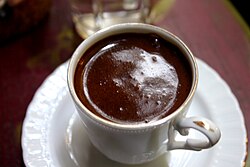
Hospitality is a cornerstone of the region's culture, often involving meticulous preparation and high standards of service to guests.
Business and Professional Relationships
In the Middle East, the line between professional and personal life is often blurred. Business is rarely just a transaction; it revolves around honor, family ties, trust, and personal relationships. Personal matters are frequently prioritized over professional ones, making it essential to build a foundation of mutual friendship before conducting business.
This personal approach can lead to questions that might seem intrusive in other cultures. For instance, manners instructor Tami Lancut Leibovitz notes that it is common for an Israeli to ask personal questions regarding children or financial matters.
| Category | Common Practice/Expectation | Potential Taboo |
|---|---|---|
| Dress | Modest head coverings at holy sites | Uncovered hair for women in specific sites |
| Social | Same-sex hand-holding (friendship) | Opposite-sex PDA (including hand-holding) |
| Gestures | Removing shoes before entering rooms | Showing soles of feet or "thumbs up" (Iran) |
| Business | Prioritizing trust and personal bonds | Strictly separating personal and professional life |
Frequently Asked Questions
Is it mandatory for men to cover their heads at Muslim holy sites?
While it is required at many sites, it is not always necessary, and many men do not wear a head covering.
How should I treat elders in Middle Eastern societies?
You should show special respect by greeting them first, standing when they enter a room or when speaking to them, and serving them first at meals.
Why is personal space different in the Middle East?
Many people in the region claim a smaller amount of personal space than is typical in other cultures, meaning they may stand closer to you during conversation.
What is the approach to business relationships in this region?
Business is built on personal relationships, trust, and honor. It is crucial to establish a mutual friendship, as personal matters are often prioritized over professional ones.
Are there specific gestures I should avoid?
Avoid using the "thumbs up" gesture in Iran and avoid showing the soles of your feet or touching others with your shoes, as these are often considered rude.