
Mulberry: A Comprehensive Look at the Morus Genus
The mulberry, belonging to the genus Morus, is a versatile plant known for its sweet fruits, historical significance in the textile industry, and complex botanical lineage. From the ancient robes of Roman emperors to the canvases of Vincent van Gogh, the mulberry has left a lasting mark on human culture and agriculture.
Botanically, the mulberry is a member of the Moraceae family. Its fruit is a multiple fruit, typically measuring 2–3 centimeters in length. These berries undergo a distinct color transformation as they ripen, starting as white, green, or pale yellow, shifting to pink and red, and finally maturing into a deep purple or black hue when they reach their peak sweetness.
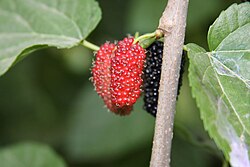
Key Facts
- Scientific Genus: Morus, part of the Moraceae family.
- Primary Species: Includes Morus alba (white), Morus nigra (black), and Morus rubra (red).
- Nutritional Powerhouse: High in Vitamin C (40% DV) and Iron (14% DV) per 100g.
- Industrial Use: Primary food source for the silkworm, Bombyx mori.
- Cultivation: Can be grown from seeds or cuttings, with cuttings being the most common method.
Taxonomy and Species Diversity
The taxonomy of the Morus genus is notably complex and often disputed among botanists. While over 150 species names have been published, the majority of botanical authorities recognize fewer than 20. This complexity is largely due to widespread hybridisation—the process of breeding between different species—where the resulting hybrids remain fertile.
Recent scientific advancements have provided chromosome-level genome assemblies for several species, including Morus alba, Morus atropurpurea, Morus notabilis, and Morus macroura, aiding in comparative genomic research.
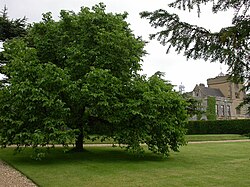
Accepted Species and Distribution
The genus is distributed globally, with key species including:
- Morus alba (White Mulberry): Native to China, Korea, and Japan.
- Morus nigra (Black Mulberry): Found in Iran, the Caucasus, and the Levant.
- Morus rubra (Red Mulberry): Native to eastern North America.
- Morus celtidifolia (Texas Mulberry): Found in the southwestern US, Mexico, Central, and South America.
- Morus macroura (Long Mulberry): Native to Tibet, the Himalayas, and Indochina.
Cultivation and Growth
Mulberries can be propagated via seeds or cuttings. While seeds often produce trees with better overall health and shape, they may take up to ten years to bear fruit. Consequently, large cuttings are more frequently used because they root readily.
In managed plantations, trees are often raised using 8–10 month old saplings. Specific varieties are chosen based on soil type: S-13 for red loamy soil and S-34 for black cotton soil, both of which are tolerant to drought and moisture stress. Standard spacing is typically 1.8 by 1.8 meters or 2.4 by 2.4 meters. To maintain productivity, trees are usually pruned annually during the monsoon season to a height of 1.5–1.8 meters, allowing for a maximum of 8–10 shoots at the crown.
Nutritional Profile
Raw mulberries are composed of approximately 88% water, 10% carbohydrates, 1% protein, and less than 1% fat. They are particularly rich in Vitamin C and iron.
| Nutrient | Amount | % Daily Value (DV) |
|---|---|---|
| Energy | 43 kcal | - |
| Carbohydrates | 9.8 g | - |
| Protein | 1.44 g | - |
| Vitamin C | - | 40% |
| Iron | - | 14% |
| Riboflavin (B2) | - | 8% |
| Vitamin K | - | 7% |
Industrial and Cultural Uses
The Silk Industry
The most significant industrial application of the mulberry is in sericulture. The silkworm, Bombyx mori, feeds exclusively on mulberry leaves to produce silk. This relationship was utilized by the Ancient Greeks and Romans; by 220 AD, Emperor Elagabalus was known to wear silk robes. The industry later spread to England, where clergy wore silk vestments starting around 1500, and to colonial Virginia.
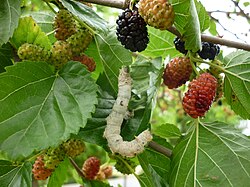
Pigments and Chemistry
Scientists have developed methods to extract anthocyanins—natural pigments found in the fruit—to be used as food colorants or fabric dyes. Research on 31 Chinese cultivars showed anthocyanin yields ranging from 148 to 2725 mg/L. Notably, the remaining juice retains its sugars, acids, and vitamins, making it suitable for other food products.
Arts and Culture
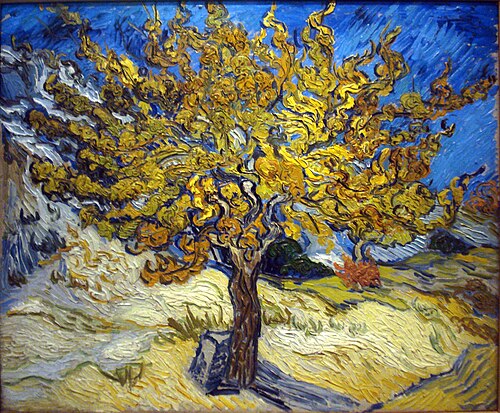
The mulberry tree has inspired artists, most notably Vincent van Gogh, who featured the tree in his 1889 painting, The Mulberry Tree (Mûrier).
Frequently Asked Questions
Are all parts of the mulberry tree edible?
While the ripe berries are sweet and edible, the unripe berries and the white sap found in various parts of the tree can be toxic, potentially causing stomach upset and hallucinations.
How long does it take for a mulberry tree to fruit?
Trees grown from seed can take up to ten years to begin bearing fruit, which is why many growers prefer using cuttings for faster production.
What is the relationship between mulberries and silk?
The silkworm (Bombyx mori) feeds on mulberry leaves. The silk produced by these worms is harvested to create silk fabric, a practice dating back to antiquity.
Which mulberry species is most common?
Some of the most widely recognized species include Morus alba (white mulberry), Morus nigra (black mulberry), and Morus rubra (red mulberry), each native to different global regions.