
Music Industry History: From Sheet Music to Digital Streaming
The music industry has undergone a radical transformation over the last 150 years, evolving from the sale of printed notes to the instant accessibility of cloud-based streaming. This journey reflects not only changes in artistic expression but also the rapid advancement of recording technology and consumer behavior.
The Physical Era: 1870s–2000s
Before the invention of recording media, the music industry generated profit primarily through sheet music—printed musical compositions that allowed people to perform songs at home. This dominance was reflected in the first sales chart published by Billboard magazine in the United States, which focused exclusively on Sheet Music Best Sellers.
The landscape shifted in 1877 when Thomas Edison invented the phonograph, a device capable of recording and reproducing sound. This invention allowed the industry to hire singers to record compositions. Because early recording media had strict length limits, commercial releases were restricted to singles.
By 1900, US record sales were estimated at 3 million copies. Growth accelerated quickly; by 1921, the US market saw 140 million records sold, with a total market value of $106 million.
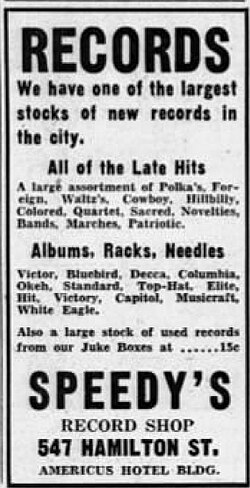
The Rise of the Album
The concept of the "album" first appeared in Billboard reports on March 24, 1945. At that time, an album was literally a box containing a set of singles, such as collections by Bing Crosby or Glenn Miller.
A major technological leap occurred in 1948 when Columbia Records introduced the 33 1⁄ 3 rpm twelve-inch extended-play LP (long play). These vinyl records could hold up to 52 minutes of audio (26 minutes per side), enabling the release of thematic albums, jazz works, and film soundtracks. Artists like Frank Sinatra were among the first to utilize this expanded format. Consequently, Billboard launched its first weekly "Best Selling Popular Albums" chart on March 24, 1956.
From Singles to the CD Revolution
Throughout the 1950s and 1960s, the 45 rpm seven-inch single remained the primary market driver, fueling the careers of rock and roll icons like Elvis Presley. However, from the mid-1960s to the mid-2000s, the industry entered the "album era," where the album became the dominant form of music consumption.
In the early 1980s, the Compact Disc (CD) emerged as the leading format. CDs offered superior audio quality, greater durability, and easier use compared to vinyl. A milestone for this format occurred in 1986, when Dire Straits' Brothers in Arms became the first album to sell over one million copies on CD.
The Digital Era: 2000s–Present
The turn of the millennium brought a shift from physical discs to digital files. In October 2005, Gwen Stefani's "Hollaback Girl" became the first single to reach one million digital downloads.
However, the purchase-and-ownership model began to decline around 2013 as consumers transitioned to streaming—a subscription-based model where music is accessed via the internet rather than owned. This shift led to a significant drop in total sales, which hit their lowest point since the 1970s by 2018. The decline of physical media was further evidenced in 2020, when major UK supermarkets began ceasing the sale of physical music.
Key Facts
- First Revenue Stream: The industry originally profited from selling sheet music.
- Phonograph Invention: Created by Thomas Edison in 1877, enabling the first recorded songs.
- LP Innovation: Columbia Records introduced the 33 1⁄ 3 rpm LP in 1948, allowing for 52 minutes of music.
- CD Milestone: Brothers in Arms by Dire Straits was the first album to sell 1 million CDs (1986).
- Digital Milestone: "Hollaback Girl" was the first single to sell 1 million digital downloads (2005).
- Current Trend: A shift from ownership (downloads/CDs) to subscription-based streaming.
| Era | Primary Format | Key Characteristic |
|---|---|---|
| Pre-1877 | Sheet Music | Printed compositions for home performance |
| Late 19th/Early 20th C. | Phonograph/Singles | Short recording lengths; first recorded voices |
| 1948–1980s | Vinyl LP | Extended play (up to 52 mins); thematic albums |
| 1980s–2000s | Compact Disc (CD) | High durability and audio quality |
| 2000s–Present | Digital/Streaming | Shift from ownership to subscription access |
Frequently Asked Questions
What was the first way the music industry made money?
Before recording technology existed, the industry earned profits by selling musical compositions as sheet music.
When did the "album" as we know it begin?
While Billboard first reported on albums (then defined as boxes of singles) in 1945, the modern long-play (LP) format was introduced by Columbia Records in 1948.
Why did CDs replace vinyl records?
CDs became the dominant format in the early 1980s because they offered better audio quality, were more durable, easier to use, and provided longer playing times.
What marked the beginning of the digital music era?
The digital era was characterized by the rise of downloads, highlighted by Gwen Stefani's "Hollaback Girl" becoming the first single to sell one million digital downloads in 2005.
Why have music sales declined since 2013?
Sales have declined because consumers have moved away from purchasing and owning music in favor of subscription-based streaming services.