
National Herbarium of Victoria: Australia's Premier Botanical Archive
Located in the heart of Melbourne, the National Herbarium of Victoria (Index Herbariorum code: MEL) stands as a cornerstone of scientific research in the Southern Hemisphere. Established in 1853, it holds the distinction of being the oldest scientific institution in Victoria and one of the earliest herbaria—specialized libraries of preserved plant specimens—in Australia.
The institution is situated within the scenic Royal Botanic Gardens, Melbourne. While the herbarium's roots date back to the mid-19th century, the current facility was constructed in 1934 thanks to a generous donation from philanthropist Sir Macpherson Robertson. A subsequent extension in 1989 expanded the capacity to house its massive archives.
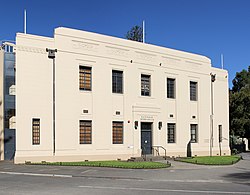
The State Botanical Collection of Victoria
At the core of the institution is the State Botanical Collection of Victoria. This vast repository contains 1.56 million specimens of preserved plants, fungi, and algae, making it the largest herbarium collection in both Australia and Oceania.
Historic and Scientific Significance
The collection is not merely a database of flora but a historical record of global exploration. It houses specimens of immense scientific value, including:
- Materials gathered by Joseph Banks and Daniel Solander during the 1770 voyage of the HMS Endeavour.
- Approximately 2,000 specimens collected by Robert Brown during Matthew Flinders' circumnavigation of Australia between 1801 and 1805.
- Three distinct collections compiled by Charles Darwin during the Voyage of the Beagle, covering South America, Australia, and the Pacific.
Digital Innovation and Global Access
The National Herbarium of Victoria has transitioned its physical wealth into the digital age to foster global collaboration. As a partner in the Australasian Virtual Herbarium project, the institution ensures that its collection data is accessible to researchers and the public worldwide.
Furthermore, the herbarium provides VicFlora, an online resource that offers plant descriptions and identification keys specifically for flora found within Victoria.
The Botanic Library
The institution's botanic library serves as a vital resource for the history of Australian botany. It has actively contributed to the Biodiversity Heritage Library, a digital consortium. Of the 1,212 volumes contributed by various Australian institutions, the National Herbarium of Victoria provided 124 volumes.
![Piechart of Australian contributions to the Biodiversity Heritage Library[6]](/images/e4/52/e452f3acac3d423eb6545a01f5df2ea5ff0568e19c93105e13b7fb434223d7ad.png)
Key Facts
- Founded: 1853 by Government Botanist Ferdinand von Mueller.
- Collection Size: 1.56 million specimens of plants, fungi, and algae.
- Regional Status: Largest herbarium collection in Australia and Oceania.
- Location: Royal Botanic Gardens, Melbourne, Victoria.
- Key Contributors: Includes specimens from Joseph Banks, Robert Brown, and Charles Darwin.
| Feature | Details |
|---|---|
| Index Herbariorum Code | MEL |
| Established | 1853 |
| Total Specimens | 1.56 Million |
| Primary Location | Dallas Brooks Dr & Birdwood Avenue, Melbourne |
| Digital Platforms | VicFlora, Australasian Virtual Herbarium, Biodiversity Heritage Library |
Frequently Asked Questions
What is the National Herbarium of Victoria?
It is the oldest scientific institution in Victoria and the largest herbarium in Australia and Oceania, housing 1.56 million preserved plant, fungi, and algae specimens.
Who founded the herbarium?
The herbarium was established in 1853 by Ferdinand von Mueller, who served as the Government Botanist for Victoria.
Which famous explorers have specimens in the collection?
The collection includes specimens from Joseph Banks and Daniel Solander (HMS Endeavour), Robert Brown (Flinders' circumnavigation), and Charles Darwin (Voyage of the Beagle).
How can I access the herbarium's data online?
Data is available through the Australasian Virtual Herbarium project and the VicFlora online key and description service.
Where is the herbarium located?
It is located within the Royal Botanic Gardens in Melbourne, Victoria, specifically at the intersection of Dallas Brooks Drive and Birdwood Avenue.