
New Zealand Aviation History: From Early Flight to Modern Carriers
The story of flight in New Zealand is a journey of ambition and innovation, evolving from the whimsical ascent of balloons to the sophisticated networks of modern commercial aviation. From the early pioneers who challenged the laws of gravity to the strategic military developments of the World Wars, the nation has consistently pushed the boundaries of the skies.
The Dawn of Flight and Early Pioneers
Aviation in New Zealand first took root in the late 19th century with the introduction of balloon flights. However, the turn of the century saw a shift toward heavier-than-air craft—aircraft that rely on aerodynamic lift rather than buoyancy to stay aloft. This era was marked by the efforts of several local inventors striving to achieve controlled flight.
In 1902, Richard Pearse achieved the first confirmed powered flight in New Zealand. While a landmark achievement, this flight is historically categorized as uncontrolled, reflecting the experimental nature of early aviation technology.
The Impact of Global Conflict
The First World War served as a massive catalyst for aviation development. To meet the demands of the conflict, a flying school was established, enabling several hundred New Zealanders to train and eventually serve within British flying services across Europe.
Following the war, the focus shifted toward civil aviation. The late 1920s saw the rise of active aero clubs and the first daring attempts at Trans-Tasman flights, connecting New Zealand with Australia. By 1936, the industry reached a new milestone with the launch of Union Airways of New Zealand, the country's first major commercial aviation company.
Military Expansion and the Second World War
Parallel to civil growth, the nation established the Royal New Zealand Air Force (RNZAF). During the Second World War, the RNZAF became a cornerstone of the Allied war effort. Thousands of New Zealanders were trained under the Empire Air Training Scheme, a collaborative program to provide aircrews for the Commonwealth.
These personnel served across the Mediterranean, Europe, and the Pacific, operating both within mixed Commonwealth formations and in specialized New Zealand-manned squadrons.
The Modern Era of Civil and Military Aviation
The post-war period brought a technological revolution. The RNZAF modernized its fleet, acquiring helicopters, maritime patrol aircraft, transport planes, and jet fighters to ensure national security and operational versatility.
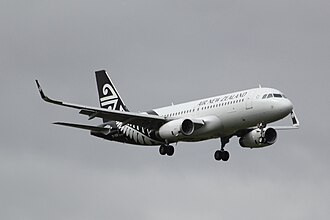
In the civil sector, the 1960s marked the formation of the national carrier, Air New Zealand. This airline grew to dominate the landscape, operating extensive international and domestic networks alongside various smaller operators.
Key Facts
- First Powered Flight: Achieved by Richard Pearse in 1902 (uncontrolled).
- First Major Commercial Airline: Union Airways of New Zealand, established in 1936.
- Military Training: Thousands of personnel were trained via the Empire Air Training Scheme during WWII.
- National Carrier: Air New Zealand was formed in the 1960s.
- Early Aviation: Began with balloon flights in the late 19th century.
| Period/Year | Milestone | Significance |
|---|---|---|
| Late 19th Century | Balloon Flights | Beginning of aviation in NZ |
| 1902 | Richard Pearse's Flight | First confirmed powered flight |
| Late 1920s | Aero Club Activity | Growth of civil aviation and Trans-Tasman attempts |
| 1936 | Union Airways | First major commercial aviation company |
| WWII Era | Empire Air Training Scheme | Mass training for Allied war efforts |
| 1960s | Air New Zealand | Formation of the national carrier |
Frequently Asked Questions
Who made the first powered flight in New Zealand?
Richard Pearse is credited with the first confirmed powered flight in New Zealand in 1902, although the flight is considered to have been uncontrolled.
What was the role of the Empire Air Training Scheme?
The Empire Air Training Scheme was used during the Second World War to train thousands of New Zealanders who then served in the Pacific, Mediterranean, and Europe.
When did commercial aviation begin in New Zealand?
While aero clubs were active in the late 1920s, the first major commercial aviation company, Union Airways of New Zealand, began its services in 1936.
When was the national airline formed?
Air New Zealand, the national carrier, was formed in the 1960s to handle domestic and international operations.
How did the First World War affect New Zealand aviation?
The First World War spurred development by leading to the establishment of a flying school and providing experience for hundreds of New Zealanders in British flying services.