
Nólsoy: The Low-Lying Gem of the Faroe Islands
Among the dramatic landscapes of the Faroe Islands, Nólsoy stands out as the lowest of the archipelago. Despite its modest elevation, this island offers a unique blend of maritime history, legendary folklore, and a tight-knit community that balances rural living with proximity to the capital.
Geography and Natural Landmarks
Nólsoy is characterized by its relatively low terrain compared to its neighbors. The island's highest point is Eggjarklettur, which reaches an elevation of 372 meters on the mountain known as Høgoyggj.
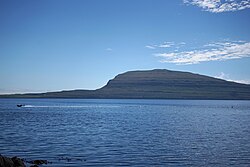
The southern coastline is defined by two prominent capes, both of which house historic lighthouses: Øknastangi to the southeast and Borðan to the south. These structures date back to the late 18th century. Interestingly, they were originally constructed to assist smugglers who were operating in defiance of the Danish trading monopoly of the era.
Life in the Village of Nólsoy
The island features a single settlement, also named Nólsoy, located on the Stongin peninsula along the northwest coast. This peninsula is connected to the main body of the island by a narrow isthmus.
The village is renowned for its vibrant, colorful homes. These buildings are constructed in extremely close proximity to one another, a strategic architectural choice designed to provide mutual shelter against the region's frequent and powerful storms.
Connectivity and Modern Living
Nólsoy remains the most populous island in the Faroe archipelago that lacks an existing or planned road connection to the other islands. Instead, it is accessible via a 20-minute ferry ride from Tórshavn, the capital.
This accessibility has created a unique commuting pattern; approximately 40 residents travel to Tórshavn for work every morning. In recent years, the island has seen an influx of young families moving from the capital to Nólsoy, attracted by more affordable housing and the ability to live in a rural setting while remaining just 20 minutes away from urban amenities.
Culture and Legends
Beyond its geography and modern demographics, Nólsoy is steeped in local lore. In Korndalur (Corn Valley), visitors can find ruins associated with the legendary Princess of Nólsoy, adding a layer of mystery to the island's landscape.
Key Facts
- Highest Point: Eggjarklettur (372 m) on Høgoyggj mountain.
- Lighthouses: Øknastangi and Borðan, built in the late 18th century.
- Transport: 20-minute ferry from Tórshavn; no road connection to the archipelago.
- Settlement: A single village on the Stongin peninsula.
- Commemorative Honor: A 20 DKK coin issued by the National Bank of Denmark in 2005 featuring the lighthouse.
| Feature | Detail |
|---|---|
| Highest Peak | Eggjarklettur (372 m) |
| Primary Settlement | Nólsoy (Stongin peninsula) |
| Access Method | Ferry from Tórshavn |
| Historic Sites | Korndalur ruins, Øknastangi & Borðan lighthouses |
Frequently Asked Questions
How do you get to Nólsoy?
The island is accessible via a 20-minute ferry journey from the capital, Tórshavn.
Why are the houses in Nólsoy built so close together?
The homes are placed extremely close to each other to help shelter one another from severe storms.
What is the significance of the lighthouses on Nólsoy?
Built in the late 18th century, the lighthouses at Øknastangi and Borðan were used to aid smugglers bypassing the Danish trading monopoly.
Is there a road connecting Nólsoy to other islands?
No, Nólsoy is the most populous island in the Faroes without an existing or planned road connection to the rest of the archipelago.
What is the highest point on the island?
The highest point is Eggjarklettur, which stands at 372 meters on the mountain Høgoyggj.