
Norman Jay Ornstein: A Legacy of Political Science and Congressional Analysis
Norman Jay Ornstein is a distinguished political scientist and scholar who has spent decades analyzing the inner workings of the United States government. Known for his deep expertise in the U.S. Congress and his commitment to democratic renewal, Ornstein has transitioned from a child prodigy in academia to one of the most respected voices in American political dysfunction.
Early Life and Academic Excellence
Born on October 14, 1948, in Grand Rapids, Minnesota, Ornstein's early years were shaped by his father's career as a traveling salesman, which led the family to spend a significant portion of his childhood in Canada. Ornstein demonstrated exceptional intellectual ability from a young age, graduating from high school at fourteen and completing his college education by eighteen.
He earned his Bachelor of Arts from the University of Minnesota and later obtained a PhD in political science from the University of Michigan in 1974. By the mid-1970s, he had entered academia as a professor of political science at the Catholic University in Washington, D.C., where he began building his reputation as a leading expert on the United States Congress.
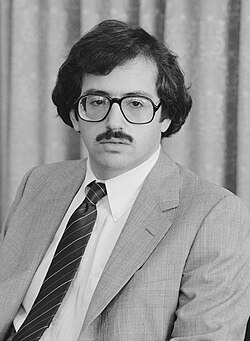
Contributions to Election Reform and Public Discourse
Beyond the classroom, Ornstein has been a prolific writer and a key figure in legislative reform. He has contributed frequently to high-profile publications, including The Washington Post, The Atlantic, and the National Journal. From 1993 until April 10, 2013, he maintained a weekly column for Roll Call.
Ornstein's influence extends into the drafting of law. Alongside Thomas E. Mann, he co-directed the AEI-Brookings Election Reform Project. This partnership led to his involvement in drafting critical sections of the Bipartisan Campaign Reform Act of 2002, more commonly known as the McCain-Feingold Act.
Advocacy and Nonpartisan Leadership
Throughout his career, Ornstein has balanced his identity as a registered Democrat with a centrist philosophy, voting for candidates from both major political parties. This balanced approach is reflected in his leadership roles within various nonpartisan organizations:
- Future of American Democracy Foundation: Member of the advisory board for this nonprofit partnership with Yale University Press and the Yale Center for International and Area Studies.
- Why Tuesday?: Member of the board of directors for this nonpartisan election reform group.
- Represent.Us: Member of the advisory council for this cross-partisan grassroots campaign, where he consulted on the American Anti-Corruption Act.
- University of Minnesota Law School: Former member of the advisory board for the Institute for Law and Politics.
Analysis of Political Dysfunction
In recent decades, Ornstein has become widely recognized for his "blistering critiques" of the U.S. Congress, based on thirty years of observation. His ability to diagnose the systemic failures of American politics led Foreign Policy to name him and Thomas E. Mann as two of the Top 100 Global Thinkers in 2012.
Ornstein has been a vocal critic of the Electoral College, arguing that when presidents are elected without winning the popular vote, it diminishes the sense that voters have a meaningful say in choosing their leaders. He also expressed opposition to President Donald Trump.
| Category | Details |
|---|---|
| Education | BA (University of Minnesota), PhD in Political Science (University of Michigan, 1974) |
| Key Legislative Impact | Helped draft the Bipartisan Campaign Reform Act of 2002 (McCain-Feingold Act) |
| Major Affiliations | AEI-Brookings, Future of American Democracy Foundation, Represent.Us |
| Specialization | U.S. Congress and American political dysfunction |
| Notable Recognition | Foreign Policy Top 100 Global Thinkers (2012) |
Key Facts
- Academic Prodigy: Graduated high school at 14 and college at 18.
- Legislative Influence: Played a key role in the McCain-Feingold Act of 2002.
- Centrist View: A registered Democrat who identifies as a centrist and votes across party lines.
- Global Recognition: Named a Top 100 Global Thinker in 2012 for diagnosing political dysfunction.
- Democratic Reform: Consultant for the American Anti-Corruption Act via Represent.Us.
Frequently Asked Questions
What is Norman Jay Ornstein's primary area of expertise?
Norman Jay Ornstein is an expert in American politics, specifically focusing on the United States Congress and the systemic dysfunction within the American political system.
How did Ornstein contribute to U.S. election law?
He helped draft key portions of the Bipartisan Campaign Reform Act of 2002, which is widely known as the McCain-Feingold Act.
What are his views on the Electoral College?
Ornstein has criticized the Electoral College, stating that electing presidents without the popular vote creates a perception that voters lack a real say in the selection of their leaders.
Which nonpartisan organizations has he been involved with?
He has served on the boards or advisory councils of the Future of American Democracy Foundation, Why Tuesday?, and Represent.Us, as well as the Institute for Law and Politics at the University of Minnesota Law School.
What is his political affiliation?
While he is a registered Democrat, Ornstein considers himself a centrist and has a history of voting for candidates from both political parties.