
Odd Fellows: The History and Evolution of a Global Fraternal Society
The Odd Fellows represent one of the oldest and most enduring fraternal societies in existence. While their early days are shrouded in mystery, the organization evolved from a collection of local mutual-aid groups into a structured international network dedicated to the harmony and welfare of its members.
Though some traditions attempt to link the fraternity to the Roman emperors Nero and Titus, historians view these claims as dubious. A more grounded theory suggests the society evolved from medieval guilds—associations of craftsmen and merchants. By the 14th century, as guild masters restricted access to protect their wealth, less experienced workers formed rival groups. These early structures were later suppressed during the reign of Henry VIII, who confiscated guild property in 1545, and Elizabeth I, who removed their responsibility for training apprentices.
Key Facts
- Earliest Records: The first surviving documented evidence of a lodge dates to March 12, 1748 (Loyal Aristarchus Oddfellow Lodge no. 9).
- Global Reach: The Independent Order of Odd Fellows (IOOF) now operates in approximately 29 countries.
- US Foundation: Thomas Wildey established the first North American lodge in Baltimore in 1819.
- Core Purpose: The society transitioned from political and religious disputes to focusing on the welfare and harmony of its members.
- Independence: Despite overlapping memberships with Freemasonry, the two societies remained mutually independent.
The Foundation of Oddfellowship in England
The 1700s saw a proliferation of Oddfellow organizations across England. Some records suggest a "Loyal Lintot of Oddfellows" existed in London as early as 1710, while the first group in South Yorkshire appeared around 1730. The existence of "Lodge no. 9" in 1748 strongly implies that at least eight other lodges preceded it.
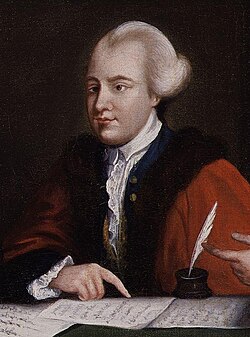
As the movement grew, various orders emerged, including the Order of Patriotic Oddfellows and the Ancient Order of Oddfellows. In 1789, following the failure of Bonnie Prince Charlie's uprising, two orders partially merged to form the Grand United Order of Oddfellows (now known as the Grand United Order of Oddfellows Friendly Society or GUOOFS). This organization consciously abandoned political and religious conflict to prioritize member support.
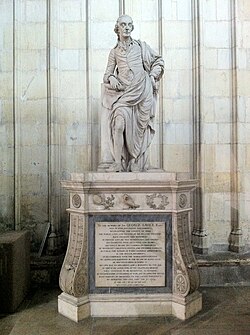
By 1798, the society had expanded significantly. Reports from that year indicate approximately 50 lodges, including 39 in and around London, and others in cities such as Sheffield, Birmingham, Liverpool, and Canterbury.
International Expansion and Diversification
The Rise of the Manchester Unity
A pivotal shift occurred in 1810 when several lodges in the Manchester area declared themselves an "Independent Order," creating the Manchester Unity of Oddfellows. This body became a primary engine for growth, eventually chartering the movement in North America.
The American Movement
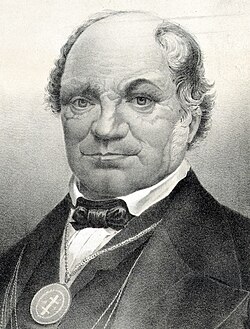
In 1819, British-American Thomas Wildey founded Washington Lodge No 1 in Baltimore. This lodge was originally chartered by the Manchester Unity but separated in 1842 to become the Independent Order of Odd Fellows (IOOF). Later, in 1843, the American Grand United Order of Oddfellows (GUOOF) was formed, receiving its charter directly from the British Grand United Order rather than the American IOOF.
Cross-Society Membership
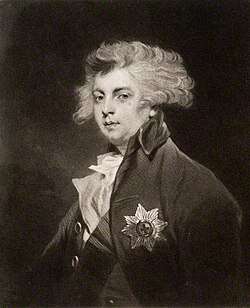
As the order grew, it attracted high-profile members, including royalty. Prince George, the Prince of Wales (later King George IV), joined in 1780. He was among the first documented members to belong to both the Odd Fellows and Freemasonry, though the two organizations maintained their separate identities.
Timeline of Major Odd Fellow Orders
| Year | Organization / Event | Region |
|---|---|---|
| 1748 | Loyal Aristarcus Lodge No. 9 (Earliest records) | England |
| 1789 | Grand United Order of Oddfellows (GUOOFS) | England |
| 1810 | Manchester Unity of Oddfellows | England |
| 1819 | Independent Order of Odd Fellows (IOOF) | USA |
| 1842 | IOOF becomes independent from Manchester Unity | USA |
| 1843 | American Grand United Order of Odd Fellows (GUOOF) | USA |
Frequently Asked Questions
Do the Odd Fellows originate from Ancient Rome?
While some traditions claim the order dates back to emperors Nero and Titus, these claims are considered dubious by historians. Most evidence suggests the order cannot be traced back further than the first half of the 18th century.
What is the relationship between the Odd Fellows and Freemasonry?
Some individuals, including King George IV, belonged to both societies. However, the Odd Fellows and the Freemasons have always remained mutually independent organizations.
How did the Odd Fellows start in the United States?
The movement began in 1819 when Thomas Wildey founded Washington Lodge No 1 in Baltimore, which was initially chartered by the Manchester Unity in England.
What was the purpose of the Grand United Order of Oddfellows?
Formed in 1789, the Grand United Order of Oddfellows sought to move past political and religious disputes to promote the harmony and general welfare of its members.
Were the Odd Fellows related to medieval guilds?
Yes, it is more reliably documented that the society evolved from medieval tradesmen's guilds, specifically as a response by less wealthy fellows to the restrictive practices of guild masters in the 14th century.