
Oedipus Rex: Fate, Irony, and the Tragedy of Sight
Sophocles' Oedipus Rex stands as a definitive study of the human condition, grappling with the tension between divine predestination and individual agency. The play weaves a complex web of oracles and coincidences, leading its protagonist toward a devastating realization about his own identity. By examining the interplay of fate, state power, and the paradox of vision, we can uncover the deeper meanings behind one of history's most enduring tragedies.
Key Facts
- Central Conflict: The struggle between an unconditional fate and the protagonist's attempts to exercise free will.
- The Oracles: Two primary prophecies drive the plot—one given to King Laius and one to Oedipus.
- Hamartia: Oedipus's tragic flaw, characterized by irrational behavior and the repression of doubt regarding his parentage.
- Dramatic Irony: The gap between what the audience knows (Oedipus's true identity) and what the character believes.
- Symbolism: The contrast between physical blindness and metaphorical insight.
Fate, Free Will, and the Tragic Flaw
Fate is a recurring motif in Greek tragedy, often manifesting as an oracle that is fulfilled precisely because the characters attempt to avoid it. In Oedipus Rex, the plot is dominated by two specific prophecies. The first, told to Laius, predicted he would die at the hands of his own son. The second, delivered to Oedipus, foretold that he would murder his father and marry his mother.
Scholars debate whether Laius's oracle was conditional or unconditional. Some argue that Sophocles made the prophecy unconditional to remove culpability from Oedipus, suggesting he could not have acted otherwise. Others point to the Greek phrasing (the "future more vivid" condition), suggesting the fate was avoidable if certain conditions weren't met. However, the oracle given to Oedipus was clearly unconditional.
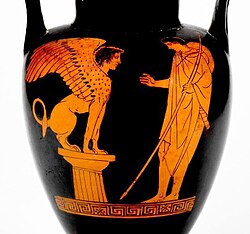
Despite the presence of these prophecies, Oedipus is not a mere puppet. While the oracle is a self-fulfilling prophecy—meaning the prophecy itself triggers the events that lead to its fulfillment—Oedipus makes several free choices. He chooses to leave Corinth, chooses to kill Laius at the crossroads, and chooses to marry Jocasta. His downfall is not caused by the oracle, but by the specific actions he takes in response to it.
Oedipus also suffers from hamartia, a term used by Aristotle to describe a tragic flaw or error in judgment. In this case, Oedipus's hamartia is his irrationality and the repression of his doubts. Despite hints from a drunken guest that he was not the biological son of Polybus and Merope, Oedipus ignores these clues, clinging to an unjustified certainty about his origins.
State Control and Tyranny
The play explores the conflict between the individual and the state, a theme mirrored in Sophocles' Antigone. Both Oedipus and the tyrannical Creon struggle with their roles as sovereigns and their reactions to rebellion. When the blind prophet Tiresias warns them that religious forces are opposed to them, both kings dismiss the prophet as corrupted.
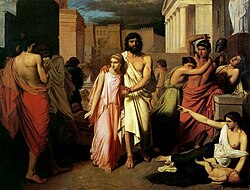
A subtle tension exists in how Oedipus refers to his predecessor, Laius. He fluctuates between calling him a "king" and a "tyrant." This linguistic shift suggests Oedipus's own insecurity regarding his legitimacy; by labeling Laius a tyrant, he attempts to equalize their status, despite having no legitimate claim to the throne.
The Role of Dramatic Irony
Sophocles employs dramatic irony—where the audience possesses knowledge that the characters lack—to heighten the tragedy. Oedipus is introduced as intelligent and strong-willed, yet these very traits lead to his demise. The most poignant example occurs when Oedipus curses the murderer of Laius, unknowingly calling down a curse upon himself.
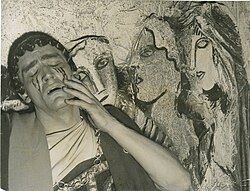
When Tiresias reveals that Oedipus is both the brother and father to his children, and the son and husband to his mother, Oedipus denies the reality. His relentless search for the "polluting agent" in Thebes is ironic because he is the very person he seeks to punish.
Sight and Blindness
The play uses vision as a metaphor for knowledge and insight. A stark contrast is drawn between Oedipus and Tiresias: Oedipus has physical sight but is blind to the truth of his life, while Tiresias is physically blind but "sees" the truth clearly. This irony is highlighted when Tiresias mocks Oedipus for having eyesight yet remaining ignorant of his own misery.
The resolution of this motif occurs when Oedipus physically blinds himself. Only after losing his literal sight does he gain the prophetic insight and understanding of his true nature, a transition that continues into the later play, Oedipus at Colonus.
| Theme | Key Element | Significance |
|---|---|---|
| Fate vs. Free Will | Self-fulfilling Prophecy | Actions taken to avoid fate actually ensure its completion. |
| Irony | Dramatic Irony | The audience knows the truth while the protagonist remains ignorant. |
| Vision | Sight vs. Blindness | Physical sight does not equal spiritual or factual insight. |
| Character | Hamartia | Irrationality and repression lead to a fatal error in judgment. |
Frequently Asked Questions
Was Oedipus forced by fate to kill his father?
While the oracle predicted the event, Oedipus exercised free will in his choices. He chose to leave Corinth and chose the actions that led to the encounter and killing of Laius; the oracle predicted the outcome but did not force the specific choices.
What is the meaning of hamartia in the context of this play?
Hamartia refers to Oedipus's tragic flaw. In this play, it manifests as his irrational behavior and his tendency to repress doubts about his parentage, which prevents him from seeing the truth until it is too late.
How does the play use the concept of blindness?
Blindness is used as a metaphor for knowledge. The physically blind Tiresias possesses the truth, while the sighted Oedipus is blind to his identity. Ultimately, Oedipus must become physically blind to achieve true insight.
What is the difference between a king and a tyrant in the play?
A king is viewed as a legitimate ruler, whereas a tyrant is often seen as one who rules without legitimate claim or through oppression. Oedipus's shifting terminology regarding Laius reflects his own insecurities about his right to rule Thebes.
What is a self-fulfilling prophecy?
A self-fulfilling prophecy is a prediction that directly or indirectly causes itself to become true due to the behavior of the people believing in this prediction. Oedipus's attempt to flee his fate is what ultimately leads him to it.