
Origami Toys: The History and Evolution of Paper Folding
Paper toys have captivated people since ancient times, blending creativity with precision. At the heart of this tradition is origami, the intricate art of folding paper to create decorative and symbolic shapes. While widely associated with Japanese culture today, the journey of these paper creations spans centuries and borders.
The Origins of Origami
The term origami is derived from two Japanese words: Ori, meaning to fold, and Kami, meaning paper. Although the name is Japanese, the roots of the craft actually trace back to China. The art form eventually spread to Japan around the sixth century, where it evolved into the refined practice known today.
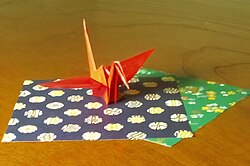
From Luxury to Accessibility
In its early stages, origami was a luxury reserved exclusively for the wealthy. This was due to the high cost of paper, which made it a precious commodity. Because of its value, early practitioners developed specific, meaningful ways to use folded paper in social and religious contexts.
Symbolism and Tradition
Folded paper often served as a token of respect or a symbol of luck. One such tradition was Noshi, where paper was folded and paired with strips of dried fish or meat to serve as a good luck charm. Similarly, at weddings, glasses of wine were often wrapped in paper folded into the shape of butterflies to represent the bride and groom.
The Democratization of the Craft
As time progressed, innovations in paper manufacturing emerged. These new methods significantly lowered the cost of production, making paper affordable for the general public. This shift allowed origami to transition from an elite pastime to an accessible art form enjoyed by people from all walks of life.
Key Facts
- Etymology: The word origami comes from the Japanese words Ori (fold) and Kami (paper).
- Origins: The craft originated in China before spreading to Japan around the sixth century.
- Early Access: Initially, only the rich could afford origami due to the high price of paper.
- Noshi: A traditional token of good luck consisting of folded paper and dried meat or fish.
- Wedding Symbols: Butterfly-shaped paper wraps were used on wine glasses to symbolize the couple.
| Feature | Details |
|---|---|
| Original Source | China |
| Arrival in Japan | Approximately 6th Century |
| Early Social Status | Exclusive to the wealthy |
| Key Traditional Use | Noshi (good luck tokens) and wedding decorations |
| Driver of Popularity | Lowered cost of paper production |
Frequently Asked Questions
What does the word origami mean?
Origami is based on the Japanese words Ori, which means to fold, and Kami, which means paper.
Where did origami originate?
While it is deeply associated with Japan, the roots of origami are from China, spreading to Japan around the sixth century.
Why was origami originally only for the rich?
The craft was limited to the wealthy because the cost of paper was very high during the early periods of the art form.
What is Noshi?
Noshi refers to a token of good luck created by folding paper with strips of dried fish or meat.
How was origami used in traditional weddings?
In traditional settings, paper was folded into butterfly shapes and wrapped around wine glasses to represent the bride and groom.